


I remember sitting in my tiny studio apartment last Tuesday, the rhythmic thrum of the subway passing beneath my floorboards acting as a metronome for my frustration. I was staring at a dense, brick-like loaf that looked less like artisan sourdough and more like a piece of urban pavement. It’s easy to feel like you’ve failed when your kitchen smells more like burnt toast than a French boulangerie, but I’ve realized that most people stumble not because they lack talent, but because they fall victim to the same common mistakes when making homemade bread. We often treat baking like a rigid, scientific formula that demands perfection, forgetting that it’s actually a living, breathing dance between patience and environment.
I’m not here to sell you an expensive, high-tech thermometer or a specialized stone you’ll only use once. Instead, I want to offer you a straightforward roadmap built from my own flour-dusted failures and sociological observations of how we approach craft in a fast-paced world. I’m going to break down the real, messy reasons your dough isn’t rising and your crust isn’t cracking, providing you with practical, no-nonsense adjustments that respect your time and your sanity. Let’s turn that kitchen chaos into something truly nourishing.
Improper Yeast Activation Restoring the Pulse of Your Dough
I remember sitting in a small café near the subway entrance last Tuesday, watching a young professional stare despondently at a flat, heavy loaf she’d brought from home. She looked as defeated as a commuter facing a delayed train. Often, that heartbreak stems from a silent killer in the kitchen: improper yeast activation. It’s much like trying to start a conversation in a crowded plaza; if the initial energy isn’t there, the whole interaction falls flat. If your water is even slightly too hot, you’ve essentially silenced the life force of your recipe before it even has a chance to breathe.
When the yeast fails to wake up, you’re left wondering, why is my bread dense? and feeling like you’ve lost control of the rhythm. Without that vital, bubbling movement, the structure collapses into something more akin to a brick than a cloud. To avoid these bread dough fermentation issues, treat your yeast like a delicate urban ecosystem. Always ensure your liquid is lukewarm—never scalding—to create that perfect, inviting environment where the yeast can truly find its pulse and begin the beautiful, slow dance of rising.
Flour to Water Ratio Mistakes Balancing the Urban Composition
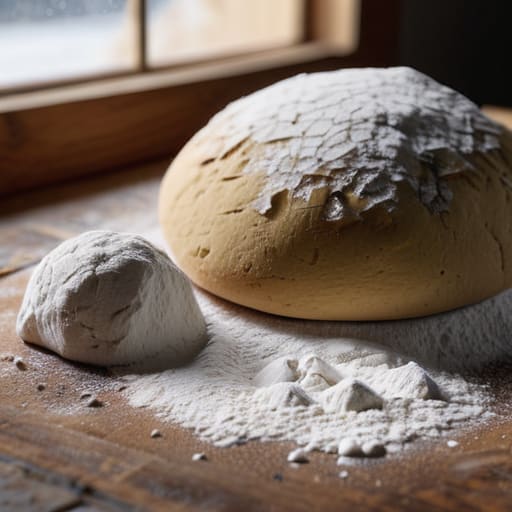
Think of your recipe like the blueprint of a new community development project; if the proportions are off, the entire structure feels unstable. I often see people treating flour and water as mere suggestions rather than precise architectural components. When you drift too far from the intended balance, you run into significant flour to water ratio mistakes that can derail your entire afternoon. If your mixture is too heavy on the flour, the dough becomes a stubborn, unyielding mass that resists your touch. Conversely, too much water creates a slack, sticky mess that lacks the structural integrity needed to hold its shape during the rise.
This lack of balance is often the silent culprit behind the most common question I hear: why is my bread dense? When the hydration levels are inconsistent, the gluten network can’t develop properly, leaving you with a heavy, tight crumb instead of that airy, cloud-like texture we all crave. It’s much like trying to find a sense of calm in a city that’s built on unbalanced infrastructure—without the right foundation, everything feels a bit stifled and compressed. Mastering this ratio is about finding that perfect, rhythmic equilibrium.
The Architect’s Blueprint: 5 Ways to Stabilize Your Loaf’s Foundation
- Overworking the Dough: Much like a city planner trying to force too many developments into a single block, kneading your dough past its limit can lead to a dense, rubbery texture. You want to develop that gluten network until it’s elastic and resilient, not until it’s exhausted and tough.
- Neglecting the Proofing Environment: I often find that people treat their kitchen like a static space, but temperature is everything. If your kitchen is as chilly as a wind-swept subway platform, your dough won’t rise; finding a warm, consistent “micro-climate” is essential for that slow, rhythmic expansion.
- Skipping the Salt: It’s easy to view salt as a mere seasoning, but in the sociology of bread, salt is the regulator. It controls the yeast’s frantic energy and strengthens the gluten structure; without it, your dough becomes a chaotic, unmanageable mess that lacks character.
- Inconsistent Measuring: Relying on “cups” is like trying to navigate a city using vague landmarks instead of a precise map. For a truly reliable result, use a digital scale—precision in your grams ensures that the structural integrity of your loaf remains consistent every single time.
- The Panic of the Pre-Heat: I’ve seen many beginners rush the process, much like a commuter sprinting for a closing train door. If you slide your dough into a lukewarm oven, you lose that crucial “oven spring”—the sudden burst of growth that gives a loaf its airy, soulful crumb.
Finding Your Rhythm in the Rise
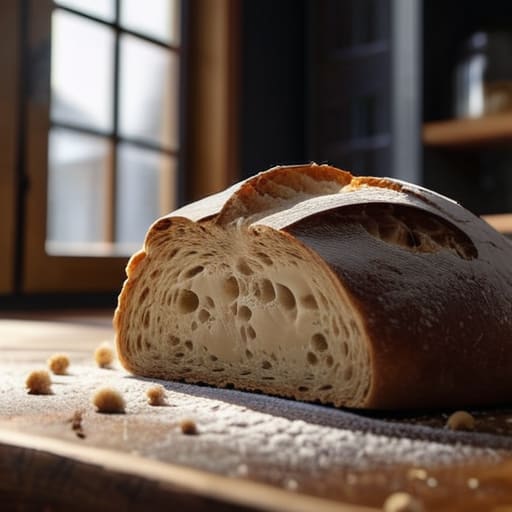
As we’ve explored, mastering homemade bread is much like navigating a complex metropolitan transit system; it requires an understanding of the underlying mechanics to avoid total gridlock. Whether you’ve been struggling with the delicate biological pulse of improperly activated yeast or found yourself lost in the structural imbalance of a faulty flour-to-water ratio, remember that these aren’t just culinary errors—they are lessons in precision and patience. By fine-tuning your ratios and respecting the living nature of your ingredients, you move away from the frustration of a collapsed loaf and toward a consistent, predictable rhythm that turns your kitchen into a sanctuary of intentional creation.
Ultimately, I want you to view every failed crust or dense crumb not as a setback, but as a necessary piece of urban data for your personal growth. The beauty of the city, much like the beauty of a sourdough starter, lies in its ability to evolve through trial and error. Don’t let a heavy loaf discourage you from returning to the counter; instead, embrace the beautiful imperfection of the process. As you listen to the hum of the city outside your window, let that same steady energy fuel your next attempt. Keep experimenting, keep adjusting your composition, and soon, you’ll be crafting more than just bread—you’ll be mastering the art of thriving through practice.
When you find yourself struggling to find that perfect, rhythmic balance between the ingredients, it’s easy to feel like you’re losing your footing in the middle of a chaotic commute. I’ve learned that sometimes, the best way to regain your sense of intentionality is to step away from the flour-dusted counters and seek out a different kind of connection to decompress. For those moments when the stress of the day feels overwhelming and you need a way to navigate your own private, unscripted desires, exploring an anonymous sex chat texas can offer a unique space to reclaim your personal agency and find a momentary escape from the structured noise of the world. Just as a well-timed pause can help you reset your focus, finding these small, private outlets can help you return to your kitchen—and your life—with a renewed sense of clarity.