


I was sitting in my favorite corner of Washington Square Park yesterday, sketching the rhythmic ebb and flow of commuters, when the sharp, tangy scent of a neighbor’s kimchi jar drifted past me from a nearby picnic blanket. It hit me how much we’ve been sold a lie about “wellness” being something you have to buy in a pristine, overpriced glass bottle from a boutique health shop. We’ve been conditioned to think that reclaiming our health requires a massive budget, when in reality, the true benefits of fermenting vegetables at home are far more primal and accessible than any wellness influencer would lead you to believe. It isn’t about following a rigid, expensive trend; it’s about tapping into a slow, living process that thrives even in the tightest urban apartment.
I’m not here to give you a sterile, scientific lecture or a list of impossible-to-find ingredients. Instead, I want to share how this practice serves as a quiet rebellion against the frantic, processed pace of our modern lives. I’ll guide you through the practical, messy, and deeply rewarding reality of cultivating your own microbes, offering you a roadmap to turn your kitchen into a space of rhythmic transformation. Let’s move past the hype and discover how a simple jar of cabbage can become your most reliable tool for navigating the chaos of the city.
Nourishing the Inner City Probiotic Foods for Gut Health
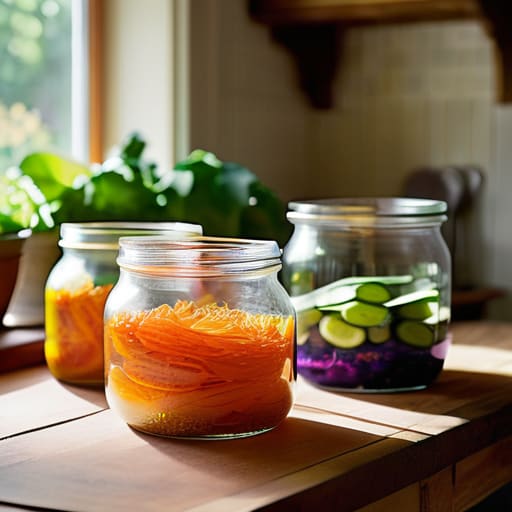
I often find myself sitting on a park bench, watching the frantic pace of commuters, and thinking about how much of that stress settles right in our guts. We live in a world of instant gratification, but our bodies crave something much slower and more intentional. When we dive into the world of probiotic foods for gut health, we aren’t just prepping a snack; we are essentially cultivating a microscopic ecosystem that mirrors the complexity of the city itself. By leaning into the natural fermentation process explained by simple biology, we introduce living, breathing cultures into our daily routine that help stabilize our internal rhythm.
There is a profound sense of agency in realizing that the most potent wellness tools don’t come in a plastic bottle from a pharmacy, but from a simple jar on your kitchen counter. Whether you are experimenting with the sharp tang of homemade sauerkraut and kimchi benefits or the subtle funk of fermented pickles, you are actively improving digestion with fermented vegetables. It’s about reclaiming that lost connection to organic cycles. In the middle of a concrete jungle, these small, bubbling jars become our own private sanctuaries of health and vitality.
Lacto Fermentation Nutritional Value a Symphony of Vitality
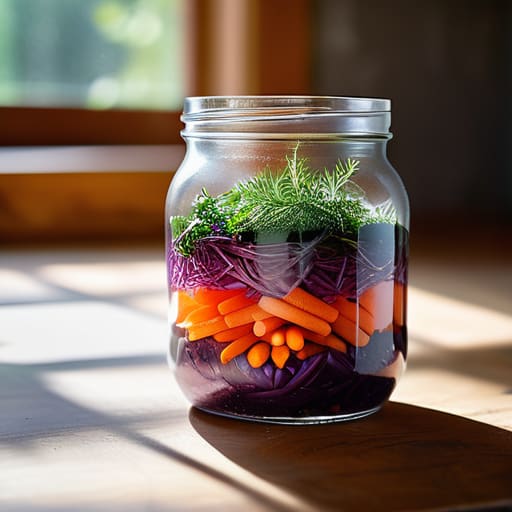
When I sit in the park, watching the frantic pace of commuters rushing toward their next meeting, I can’t help but think about how much we neglect our own internal rhythms. We live in a world of instant gratification, yet the true magic happens in the slow, deliberate pause. This is where the lacto-fermentation nutritional value truly shines. It isn’t just about preservation; it’s about a biological upgrade. As the bacteria work their magic, they essentially “pre-digest” the vegetables, breaking down complex compounds and making vitamins like B and K much more bioavailable for your body to absorb.
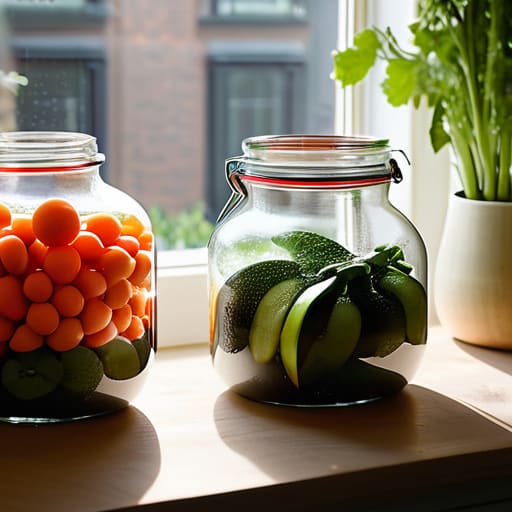
Think of it as an internal urban renewal project. By engaging in the natural fermentation process explained through simple salt and water, you are cultivating a microscopic ecosystem that mirrors the diversity of a thriving metropolis. Whether you are diving into the homemade sauerkraut and kimchi benefits or just a simple jar of carrots, you are actively improving digestion with fermented vegetables by introducing live, active cultures. It’s a way to build a resilient foundation from the inside out, ensuring your personal “inner city” is just as vibrant and well-nourished as the streets outside your window.
Mastering the Micro-Rhythms: 5 Practical Steps to Your Fermentation Journey
- Start Small to Avoid Sensory Overload: Don’t feel pressured to stock your pantry with twenty different jars immediately. Begin with a simple batch of salted cucumbers or shredded carrots. Much like learning to navigate a new subway line, it’s better to master one route before trying to map out the entire city. Success in small batches builds the confidence you’ll need when you eventually tackle more complex ferments.
- Embrace the Imperfect Aesthetic: In a world obsessed with polished, filtered urban aesthetics, fermentation teaches us the beauty of the organic. Your brine might get a little cloudy, or your cabbage might not look like a magazine spread—that’s not failure, that’s life happening. Embrace the slight irregularities; they are the visual proof that a living, breathing ecosystem is thriving right on your kitchen counter.
- Curate Your Local Flavor Profile: Use your urban surroundings to your advantage by sourcing seasonal produce from your local farmer’s markets. There is a profound sociological connection in eating something that was grown just a few miles away from the concrete jungle you call home. It anchors your gut health to the specific rhythm of your local geography and seasons.
- Listen to the Sound of Transformation: When you’re prepping your jars, take a moment to really listen. The subtle “pop” of a seal or the soft fizz of carbon dioxide escaping the brine is the urban soundscape of your kitchen. I often find that incorporating these tiny, rhythmic sounds into my mindfulness practice helps me feel more grounded and connected to the slow, deliberate pace of biological change.
- Create a Ritual, Not a Chore: Don’t treat fermentation as just another task on your endless to-do list. Instead, view it as a moment of intentional pause. Set aside ten minutes to slice your vegetables, feeling the texture and smelling the freshness. By turning this into a ritual, you transform a simple food prep task into a meditative act of reclaiming agency over your environment and your well-being.
Cultivating Your Own Micro-Rhythm
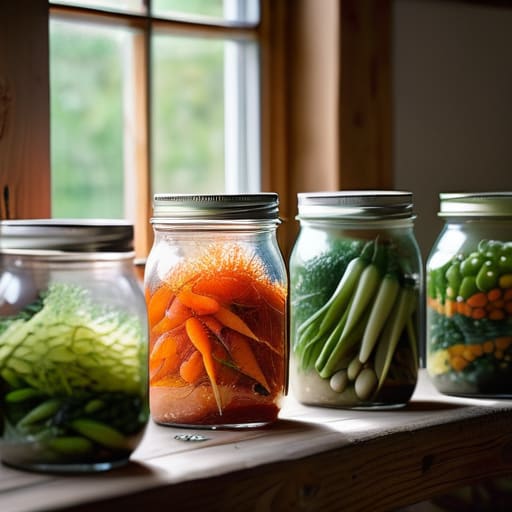
As we’ve explored, the act of fermenting vegetables is far more than a culinary trend or a simple way to stock your pantry; it is a multifaceted tool for reclaiming your well-being. By embracing lacto-fermentation, you aren’t just preparing food, you are actively cultivating a living ecosystem that supports your gut health and bolsters your physical vitality. From the profound nutritional density of these probiotic-rich jars to the way they provide a sense of stability in an unpredictable world, fermentation offers a tangible way to bridge the gap between our fast-paced urban existence and the slow, restorative rhythms of nature. It is about taking those raw, simple ingredients and allowing them to undergo a transformative alchemy that serves both your body and your spirit.
So, as you step back out into the hum of the city—perhaps catching the rhythmic clatter of the subway or the distant melody of a street performer—I encourage you to carry this sense of intentionality with you. Let your kitchen become a sanctuary of slow growth, a quiet rebellion against the relentless pace of modern life. When you crack open a jar of tangy, fermented goodness, remember that you are participating in a timeless cycle of creation and resilience. You have the power to engineer your own vitality, one small, bubbling jar at a time, turning the mundane task of food prep into a meaningful ritual of urban survival and thriving.
As you begin to embrace this slow, transformative process, I’ve found that the most rewarding part isn’t just the nutritional payoff, but the way it anchors your daily routine. It’s about creating a small, predictable ritual that counters the unpredictable pulse of the city. If you ever find yourself feeling overwhelmed by the sheer pace of modern social dynamics or looking for ways to navigate new connections more confidently, I often suggest finding a steady rhythm in your personal life first. For instance, some people find that exploring local social scenes, much like looking into tucson hookups, helps them reconnect with the spontaneous energy of the community, providing a beautiful balance to the quiet, meditative patience required for a perfect ferment. Finding that delicate equilibrium between social vitality and internal cultivation is truly where the magic happens.