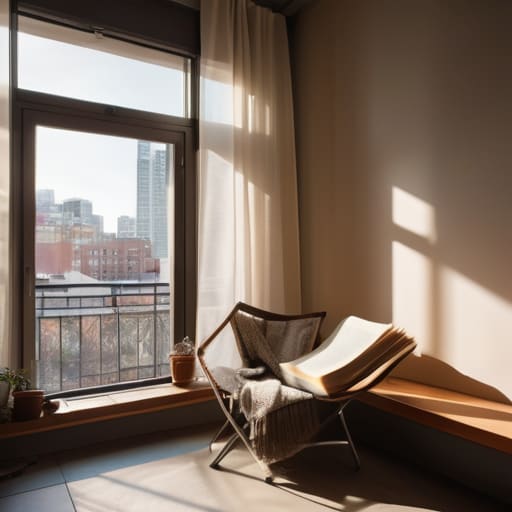



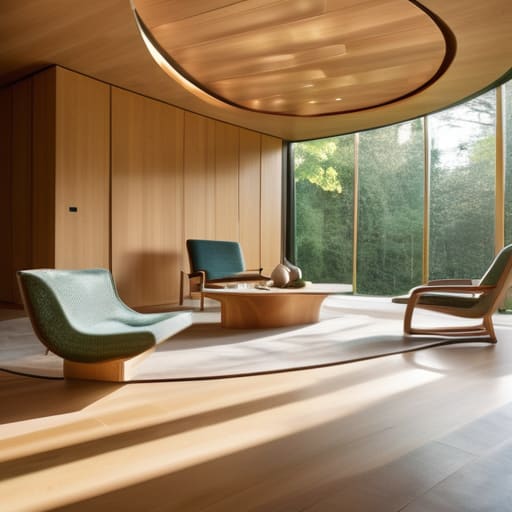
I was sitting in a tiny, cramped studio in the East Village last Tuesday, listening to the relentless, jagged rhythm of a jackhammer outside my window, when it hit me: my apartment wasn’t just small, it was spiritually draining. I looked at my furniture—all sharp corners and rigid, suffocating lines—and realized I was living in a cage of my own making. We’ve been sold this lie that modern urban living requires us to sacrifice our peace for efficiency, but I’m calling foul on that. You don’t need a massive penthouse to feel at ease; you just need to stop letting your walls trap you in a stressful grid and start experimenting with bio-geometric home layouts to invite a more natural, flowing energy into your sanctuary.
I’m not here to sell you some expensive, high-end interior design fantasy that requires a renovation budget the size of a small city. Instead, I want to share the practical, street-smart strategies I’ve gathered from years of studying how our physical surroundings dictate our mental clarity. I’m going to show you how to use subtle shifts in shape and flow to turn your living space into a true catalyst for personal growth, helping you find your own rhythm amidst the urban chaos.
Table of Contents
- Decoding Sacred Geometry in Architecture for Urban Flow
- Optimizing Spatial Energy Within Your Private Urban Oasis
- Five Ways to Weave Sacred Geometry into Your Daily Sanctuary
- Bringing the Rhythm Home: Your Bio-geometric Blueprint
- The Geometry of Inner Peace
- Finding Your Rhythm Within the Walls
- Frequently Asked Questions
Decoding Sacred Geometry in Architecture for Urban Flow
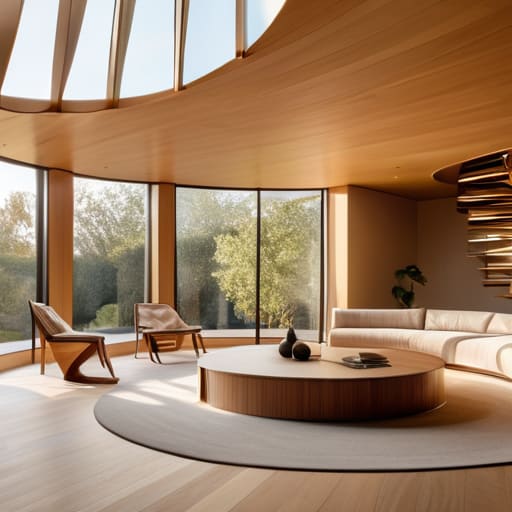
I remember sitting on a bench in Bryant Park last Tuesday, sketching the way the sunlight hit the intricate ironwork of the surrounding buildings. There’s a hidden language in those lines—a sense that certain shapes just feel right. When we talk about sacred geometry in architecture, we aren’t just discussing ancient mysticism; we’re talking about the mathematical blueprints that govern how we perceive balance. In the middle of a concrete jungle, our brains are constantly scanning for patterns to make sense of the chaos. When a building or a room utilizes these natural ratios, it stops being just a structure and starts acting like a stabilizer for our nervous systems.
Bringing this into your own apartment doesn’t require a degree in mathematics, but it does require a shift in how you view your floor plan. Instead of seeing your home as a collection of square boxes, try to see it through the lens of optimizing spatial energy. By incorporating fractal patterns in interior design—like the repeating veins in a leaf or the rhythmic tiling on a backsplash—you create a visual depth that mimics the organic world. This subtle layering breaks up the rigid, artificial lines of urban construction, helping your home breathe alongside you.
Optimizing Spatial Energy Within Your Private Urban Oasis
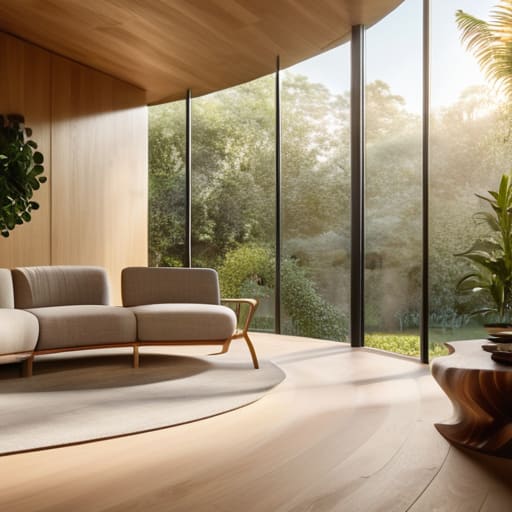
When I’m sitting on a park bench sketching the way sunlight filters through the skyscrapers, I’m always struck by how much the “vibe” of a space depends on its invisible architecture. We often think of our apartments as mere containers for our stuff, but they are actually the containers for our energy. To truly master optimizing spatial energy, we have to stop thinking in straight, sterile lines and start thinking about how movement flows through a room. It’s about creating a sense of ease that mirrors the natural world, rather than the rigid, concrete grids of the city outside.
I love experimenting with biophilic design principles to bridge that gap between the urban jungle and our personal sanctuaries. It’s not just about adding a few potted plants; it’s about arranging your furniture to respect the natural curves and rhythms of the room. By incorporating subtle fractal patterns in interior design—perhaps through the organic weave of a rug or the repetitive geometry of a bookshelf—you can trick the brain into a state of calm. This turns your living space from a stressful urban box into a true, breathing oasis.
Five Ways to Weave Sacred Geometry into Your Daily Sanctuary
- Stop fighting the corners of your apartment. Instead of shoving heavy, rectangular furniture against every wall, try arranging your main seating in a soft, circular pattern. This mimics the natural flow I see in public plazas, encouraging conversation to ripple outward rather than getting stuck in a rigid, stressful grid.
- Use the power of the Golden Ratio to break up visual clutter. When you’re decorating a bookshelf or a coffee table, don’t aim for perfect, symmetrical rows; instead, group items in unequal, organic proportions. This subtle mathematical rhythm mimics the beautiful unpredictability of a city park, making your space feel alive rather than staged.
- Create “energy eddies” with organic shapes. In a cramped urban studio, sharp angles can make the air feel heavy. Introduce a curved rug or a round dining table to act as a focal point that softens the room’s edges, helping the “urban noise” of your life flow around your furniture rather than crashing into it.
- Map your room’s “flow paths” like a city transit map. Walk through your home and notice where you feel a sudden “traffic jam” of movement. By applying bio-geometric principles—like clearing a wider, more sweeping path between your entryway and your workspace—you can transform a cluttered hallway into a seamless transition zone.
- Bring the fractal rhythm of nature indoors. Even in a high-rise, you can use patterns found in sacred geometry—like the repeating spirals of a succulent or the hexagonal symmetry of a honeycomb-patterned lamp—to ground your senses. These tiny, mathematical echoes of the natural world act as a visual anchor, helping you stay centered even when the city outside is at its loudest.
Bringing the Rhythm Home: Your Bio-geometric Blueprint
Stop viewing your apartment as just a collection of square footage; start seeing it as a living, breathing ecosystem where every curve and angle can either drain your energy or fuel your focus.
You don’t need a massive penthouse to find balance—by strategically placing furniture and decor to follow natural, organic flows, you can turn even the smallest studio into a high-vibrancy sanctuary.
Use the principles of sacred geometry as your secret urban survival kit, allowing you to create intentional “zones” that protect your peace from the chaotic, jagged energy of the city streets outside.
The Geometry of Inner Peace
“Your apartment shouldn’t just be a box where you store your things; it should be a living, breathing extension of your own rhythm, where the very angles of your walls work in harmony with your soul rather than working against it.”
Robert Young
Finding Your Rhythm Within the Walls
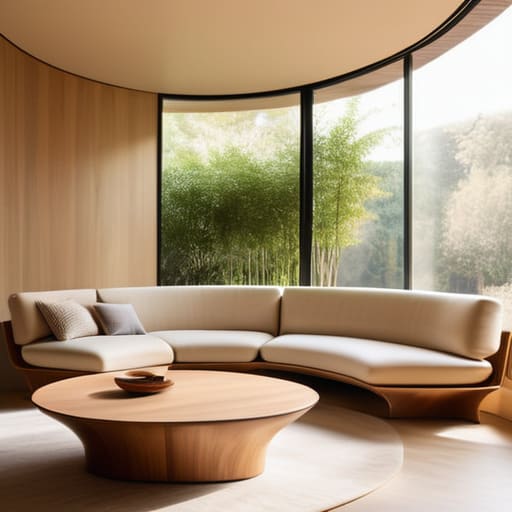
As you begin to rearrange your furniture to better honor these natural flow patterns, don’t forget that true spatial harmony isn’t just about where your sofa sits, but how the energy of the room supports your deepest human connections. I’ve found that when we optimize our environments, we create a much more profound sense of intimacy and presence with those we love. If you’re looking to explore how to foster that kind of authentic connection and vitality within your personal life, checking out resources like sex in coventry can offer some really interesting perspectives on navigating intimacy in a modern, fast-paced world. It’s all part of that same journey—aligning your external surroundings with the beautiful, complex rhythms of your internal life.
As we’ve explored, transforming your apartment or house isn’t just about picking out trendy furniture or maximizing square footage; it’s about understanding the underlying pulse of your environment. By decoding the sacred geometry found in grand architecture and applying those same bio-geometric principles to your own private sanctuary, you can effectively mitigate the frantic energy of the streets outside. We’ve looked at how intentional spatial energy and mindful layouts can turn a cramped studio into a breathing, living extension of your soul. Remember, the goal isn’t perfection, but rather creating a harmonious flow that allows you to transition from the high-octane rhythm of the sidewalk to a state of deep, restorative peace the moment you turn your key in the lock.
I often sit in the park with my sketchbook, watching how the sunlight hits the curves of a fountain or how people naturally gravitate toward open, inviting plazas. Those patterns exist in the wild, and they are waiting to be invited into your home. Don’t let your living space be just another static box in a concrete jungle; let it be the catalyst for your personal evolution. As you begin to rearrange your world to reflect these natural rhythms, I promise you’ll find that you aren’t just living in a city anymore—you are dancing in sync with it. Go ahead, start small, and watch how your space begins to breathe right along with you.
Frequently Asked Questions
I love the idea of bringing more flow into my apartment, but how do I actually start applying these geometric principles if I'm living in a tiny, rigid studio with no room to move?
I hear you—the “shoebox studio” struggle is real! When your square footage feels like a cage, stop thinking about moving walls and start thinking about breaking lines. Even in a tiny space, you can disrupt that rigid grid. Try placing a circular rug or a curved lamp to soften the sharp corners. It’s about creating “visual eddies”—small pockets of organic flow that trick the eye and your energy into feeling much more expansive.
Are there specific "energy blockers" in a standard urban layout—like a long, narrow hallway or a sharp corner—that I should prioritize fixing first?
Honestly, those long, narrow hallways are the biggest culprits. I call them “wind tunnels”—they tend to rush energy right through your home without letting it settle, leaving you feeling restless. Then there are those aggressive, sharp corners; they act like little energetic speed bumps that can disrupt your flow. Instead of fighting them, try softening those edges with rounded furniture or a lush plant. It’s about turning those abrupt interruptions into gentle, inviting transitions.
Can bio-geometric layouts really help me feel more grounded and less overwhelmed by the constant noise and pace of the city outside my window?
Absolutely. Think of your home as a buffer zone, not just a box. When the city outside feels like a relentless, jagged percussion, bio-geometric layouts act like a natural dampener. By arranging your space around soft, organic curves and intentional proportions, you’re essentially tuning your environment to a more soothing frequency. It’s about creating a visual and energetic rhythm that counters the urban chaos, helping you find that steady, grounded center even when the sirens are blaring.