


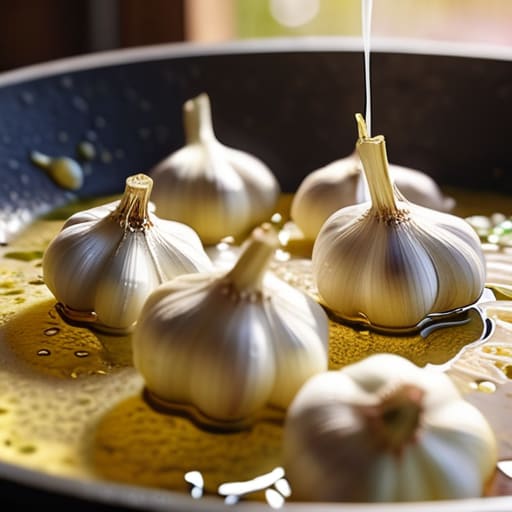
I was sitting in my tiny studio apartment last Tuesday, the distant hum of the subway providing a steady bassline to my evening, when the sudden, acrid scent of charred garlic cut through my meditation like a siren. It’s a heartbreakingly common urban tragedy: you’re trying to craft something beautiful and nourishing amidst the rush of a busy week, only to have that one single, misplaced minute turn your entire dinner into a bitter mess. We’ve all been there, staring at a pan of blackened bits, wondering how to prevent garlic from burning when the city’s frantic pace seems to demand we move faster than the ingredients allow.
Forget those overly complicated culinary lectures that treat a simple pan like a high-stakes laboratory experiment. I’m not here to give you a list of expensive gadgets or pretentious techniques that require a culinary degree; I’m here to share the practical rhythm of the kitchen. I’ll show you how to master the heat and timing by treating your aromatics with the same mindful attention you’d give a quiet moment in a bustling plaza. We are going to turn that kitchen chaos into a seamless flow, ensuring your flavors sing every single time.
Sauting Garlic Temperature Control Finding Your Culinary Rhythm
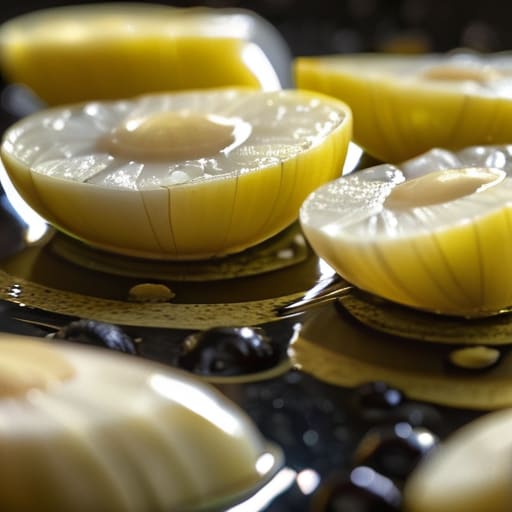
Think of your skillet as a miniature version of a busy metropolitan intersection; if the energy is too high and the movement is too frantic, things quickly descend into chaos. When it comes to sautéing garlic temperature control, you want to aim for a steady, rhythmic simmer rather than a high-speed collision of heat. I often tell my clients that managing your stovetop is much like navigating a crowded subway station—you have to find that sweet spot of momentum without losing your composure. If the pan is screaming with heat, your garlic will go from fragrant to acrid in a heartbeat.
The real secret lies in the nuance of your prep work. You must remain mindful of minced vs sliced garlic cooking times, as the finer the cut, the faster it reaches its breaking point. I like to treat the addition of aromatics like a well-timed entrance into a jazz club; you don’t want to burst through the door, but rather glide in when the atmosphere is just right. Watch for those subtle shifts in color, moving from a pale cream to a soft, golden hue, ensuring you catch the flavor before it turns sharp and unpleasant.
The Delicate Art of Adding Garlic to Pan Timing
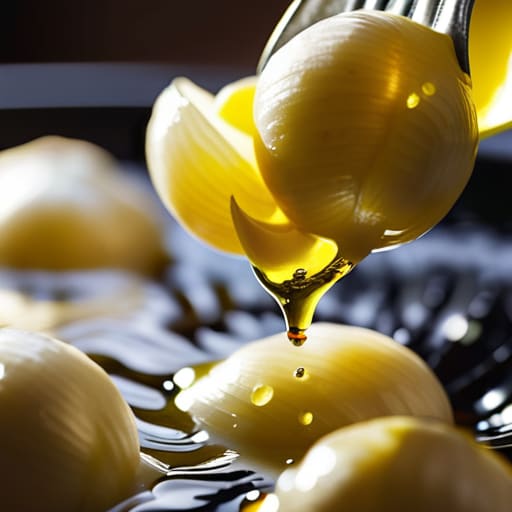
Think of the moment you introduce garlic to your pan like a sudden change in a city’s tempo—a quick shift from the steady hum of prep work to a high-stakes crescendo. If you toss it in too early, while your oil is still warming up or your onions are still translucent, you lose that window of perfection. I’ve found that mastering adding garlic to pan timing is much like catching the right light in a park; it’s all about that fleeting, golden moment. You want to wait until your base aromatics have softened, creating a stable environment where the garlic can bloom without being overwhelmed by raw heat.
It’s also vital to remember that your prep style dictates your pace. Just as a bustling subway station moves differently than a quiet side street, minced vs sliced garlic cooking times vary wildly. Finely minced cloves offer an immediate, intense aroma but can turn acrid in seconds, whereas thicker slices demand a slightly more patient approach. By observing these subtle shifts in the pan, you can avoid those harsh, signs of burnt garlic flavor that can ruin an otherwise beautiful meal.
The Urban Chef’s Toolkit: Five Ways to Keep Your Garlic from Turning Bitter
- Prep your station before the heat begins; just like preparing for a rush hour commute, having your garlic minced and ready prevents that frantic, last-minute scramble that leads to overcooking.
- Use the “aromatic buffer” method by adding a splash of oil or a bit of moisture to the pan, creating a small safety net that regulates the temperature before the garlic hits the metal.
- Mind the size of your pieces; much like the diverse architecture of a city, larger chunks of garlic offer more resilience and a slower release of flavor, whereas fine minces demand your absolute, undivided attention.
- Listen for the sizzle’s tempo; when the sound shifts from a gentle, rhythmic hum to a sharp, aggressive crackle, your garlic is signaling that it’s nearing the danger zone and needs immediate relief.
- Keep a “cool-down” ingredient on standby, such as a splash of wine or stock, to instantly lower the pan’s intensity the moment you smell that intoxicating, toasted aroma—before it turns into the acrid scent of burnt edges.
Finding Your Culinary Flow
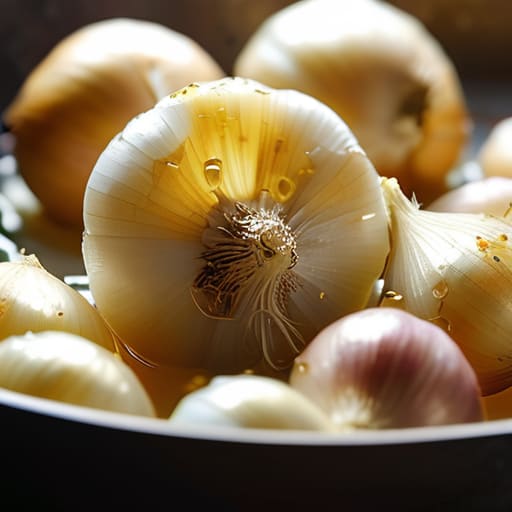
As we wrap up our kitchen exploration, remember that preventing burnt garlic isn’t just about following a recipe; it’s about mastering the delicate equilibrium of heat and timing. We’ve learned that controlling your sauté temperature is the foundation, ensuring your pan is a welcoming space rather than a volatile one. By understanding the importance of adding your aromatics at the right moment—waiting for that perfect window after your onions have softened—you protect the soul of your dish. Treat your ingredients with the same mindful awareness you’d use when navigating a crowded subway station: stay alert, adjust your pace, and respect the energy of the environment to ensure everything lands exactly where it belongs.
Ultimately, these small, intentional shifts in your cooking process are much like the way we navigate our urban lives. Just as a single misplaced step can disrupt your walk through a bustling plaza, a moment of distraction in the kitchen can turn a fragrant meal bitter. But when you lean into the rhythm, paying attention to the sizzle and the scent, you transform a mundane chore into a sensory masterpiece. Don’t fear the heat; instead, embrace the opportunity to practice presence. Every meal is a chance to turn the chaotic energy of a busy evening into a symphony of flavor and connection. Happy cooking, and keep finding your rhythm!
Sometimes, just like when you’re trying to find your footing in a new neighborhood or a complex social circle, the secret to success lies in knowing where to look for the right connections. While I usually focus on the culinary dance of the kitchen, I’ve learned that mastering any environment—whether it’s a crowded subway or a niche community—requires a bit of intentional exploration. If you find yourself looking to expand your horizons and explore more adventurous social dynamics, checking out cuckold dating can be a way to embrace that same sense of bold discovery that makes city life so exhilarating. Just as you wouldn’t rush a delicate garlic clove, take your time navigating these new social landscapes to ensure every interaction feels authentic and rewarding.