


I was sitting in a tiny, sun-drenched kitchen in the East Village last Tuesday, listening to the rhythmic thwack-thwack-thwack of a chef’s knife against a wooden board, when I realized something profound. Most people approach cooking like they’re navigating a chaotic subway transfer during rush hour—panicked, rushed, and prone to a few accidental bumps along the way. We’ve been told that learning how to dice an onion safely requires expensive, specialized gadgets or a culinary degree, but that’s just more urban noise designed to clutter your life. In reality, it’s about finding your own internal rhythm and respecting the tools you already have.
I’m not here to sell you a fancy mandoline or a subscription to a gourmet meal kit; I want to give you the actual, street-level mechanics of kitchen confidence. In this guide, I’ll break down the precise movements and mindful techniques you need to master the blade without the tears or the close calls. We’re going to turn a potentially messy chore into a moment of mindful mastery, ensuring that your time in the kitchen feels less like a frantic scramble and more like a well-orchestrated urban symphony.
Mastering Proper Knife Skills for Beginners
Beyond the physical mechanics of the blade and the chemistry of the onion, I’ve found that the real secret to culinary confidence is having a reliable space to exchange those “aha!” moments with others who are also learning the ropes. Much like finding a quiet corner in a loud park to decompress, connecting with a supportive group can turn a frustrating kitchen mishap into a shared moment of growth. If you’re looking for more ways to find your flow and connect with a broader spectrum of human experiences, I often find inspiration in the Sexinmiami community, where the energy of connection can really help you recharge your social batteries after a long day of navigating the city.
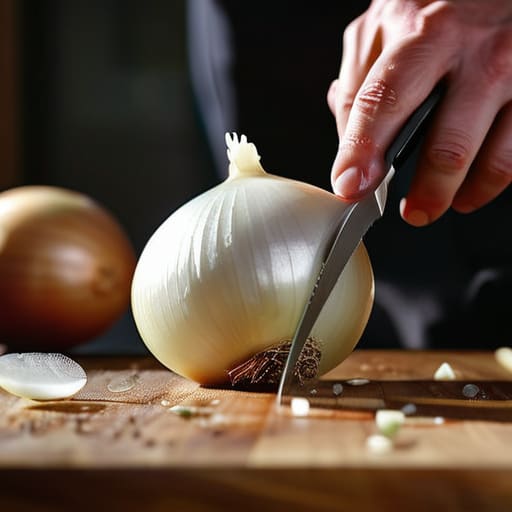
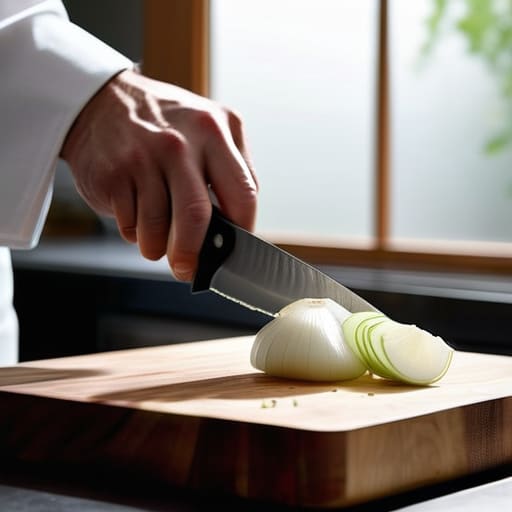
Think of your chef’s knife not just as a tool, but as an extension of your own intention. Just like finding your footing on a moving subway train, mastering proper knife skills for beginners requires a balance of stability and fluidity. I always tell my clients that the foundation of any great rhythm—whether in a city square or a kitchen—is how you ground yourself. This starts with your grip. Instead of just grabbing the handle, try the “pinch grip”: use your thumb and index finger to grip the base of the blade itself. This gives you the precision and control needed to navigate the onion’s layers without the blade wobbling under pressure.
Once you’ve found your grip, it’s all about the geometry of the cut. I often observe how people navigate urban intersections; they move with purpose, avoiding unnecessary friction. Your knife should do the same. By keeping your non-cutting hand in a “claw” position—tucking your fingertips inward—you create a physical barrier that keeps you safe. This steady approach is essential for minimizing onion fumes and ensuring your movements remain rhythmic rather than frantic. When you treat the cutting board like a workspace for mindful mastery, the task transforms from a chore into a moment of calm.
Minimizing Onion Fumes for a Balanced Kitchen
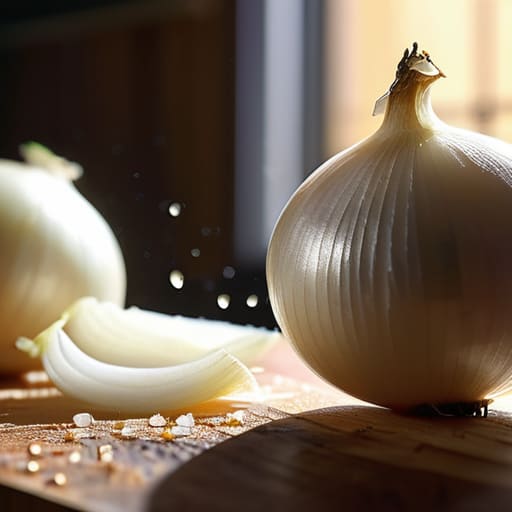
We’ve all been there—standing over a cutting board, eyes stinging, feeling like the kitchen has suddenly turned into a high-stakes sensory overload. It’s a bit like being caught in a sudden downpour during a busy commute; you weren’t prepared for the intensity, and now you’re just trying to keep your head above water. When we talk about minimizing onion fumes, we aren’t just talking about comfort; we’re talking about maintaining your focus. Those volatile compounds released during the slicing process are what trigger that involuntary watering of the eyes, and if you’re distracted by tears, you’re less likely to maintain the precision required for proper knife skills for beginners.
To keep your workspace—and your vision—clear, I like to treat my prep station like a well-ventilated urban plaza. If you can, crack a window or turn on the vent fan to create a gentle airflow that carries those irritating gases away from your face. Some of my favorite onion cutting safety tips involve using a very sharp blade; a dull knife crushes the onion cells rather than slicing through them, which actually releases more of those stinging enzymes into the air. By being intentional with your tools and your environment, you turn a potentially tearful chore into a controlled, rhythmic part of your culinary flow.
The Urbanite's Guide to Onion Precision: 5 Tips for a Seamless Prep
- Treat your cutting board like a steady city sidewalk; ensure it’s anchored with a damp paper towel underneath so it doesn’t slide away from you mid-slice.
- Adopt the “claw grip” to protect your fingertips, tucking your knuckles inward just like you’d instinctively pull your elbows in when navigating a dense crowd on a subway platform.
- Keep your blade as sharp as a skyscraper’s edge, because a dull knife is actually more dangerous, forcing you to apply uneven pressure that can lead to sudden, unpredictable slips.
- Leave the root end intact until the very last moment, using it as a natural anchor to hold the onion’s structure together while you work your way through the layers.
- Find your rhythm in the motion, focusing on a steady, repetitive rocking stroke that turns the chore into a meditative flow rather than a frantic race against the clock.
Finding Your Culinary Rhythm
As we wrap up our session in the kitchen, remember that mastering the onion isn’t just about avoiding a sting in your eyes or a slip of the blade; it’s about the synthesis of technique and environment. By prioritizing your grip, respecting the edge of your knife, and managing those pesky airborne enzymes with a bit of airflow, you’ve turned a potentially frantic chore into a controlled, intentional process. Just like navigating a busy intersection during rush hour, success comes down to awareness and steady movement. Once you’ve integrated these habits, you’ll find that precision and safety become second nature, allowing you to focus more on the flavors you’re creating and less on the chaos of the prep work.
At the end of the day, I like to think of these small, domestic rituals as the building blocks of a well-lived life. Every time you approach a task—even something as seemingly mundane as dicing an onion—with mindfulness and care, you are practicing the art of living with purpose. Don’t let the minor hurdles of modern life, or even a few stray tears, discourage you from the creative joy of cooking. Instead, embrace the rhythm of the knife and the scent of the aromatics, knowing that you are transforming the everyday into something truly nourishing. Keep practicing, keep exploring, and I’ll see you in the next urban adventure.