

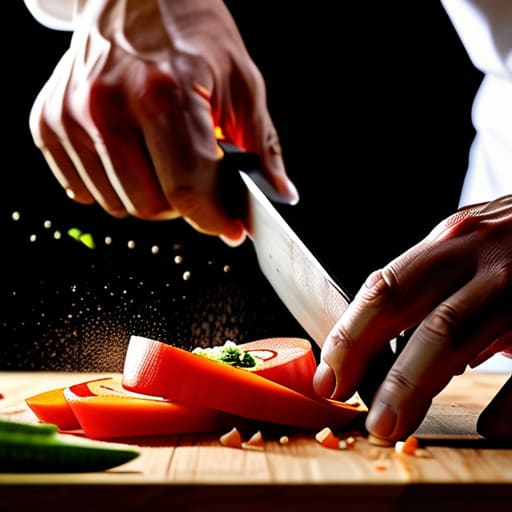
I remember sitting in my tiny, first-apartment kitchen in the heart of the city, the rhythmic thwack-thwack-thwack of a neighbor’s chopping echoing through the thin walls while I struggled with a dull blade and a pile of unevenly sliced onions. I was exhausted from a long day of urban fieldwork, and instead of a therapeutic meal, I was facing a chaotic, tear-filled mess that felt completely disconnected from the mindful life I was trying to build. Most people think you need a professional-grade culinary workshop or a set of Japanese steel knives costing a month’s rent to find your flow, but that’s a total myth. Learning how to master basic knife skills isn’t about expensive gear; it’s about finding your own personal rhythm amidst the kitchen’s noise.
I’m not here to give you a sterile, academic lecture on anatomy; I want to help you turn meal prep into a meditative ritual. I promise to share the practical, no-nonsense techniques I’ve gathered from years of navigating cramped kitchens and busy lives, focusing on the movements that actually matter. We’re going to strip away the intimidation and focus on building the confidence and precision you need to turn every chopping session into a moment of urban mastery.
Finding Flow Through Proper Chef Knife Grip
As you start to find your rhythm with the blade, you’ll realize that mastering these skills is often about more than just the physical act; it’s about the mental headspace you cultivate. Just as I find clarity by observing the ebb and flow of people in a crowded plaza, I’ve found that engaging with digital communities can offer a different kind of social nourishment and a way to decompress after a long day of urban hustle. If you’re looking for a way to unwind and connect with others in a more spontaneous, conversational setting, exploring chat rooms in Belfast can be a fantastic way to find that unexpected sense of connection that makes city life so incredibly rich.
I remember sitting in a small, crowded bistro in the West Village last autumn, watching a chef work through a mountain of shallots. There was no frantic energy, just a seamless, rhythmic motion that felt almost like a jazz solo. That’s when it hit me: the secret isn’t just speed; it’s the connection between your hand and the tool. To find that same grace, you have to move past the amateur “handle-only” hold and embrace the proper chef knife grip. By pinching the blade itself right where it meets the bolster, you transform the knife from an external object into a natural extension of your own arm.
This physical alignment is your first line of defense in preventing kitchen knife accidents, but it’s also where the magic happens. When you have that tactile control, the distinction between chopping vs dicing vs mincing becomes less about following a rigid manual and more about feeling the resistance of the produce. It’s about finding your own tempo amidst the clatter of the city outside, turning a mundane chore into a focused, meditative ritual of precision.
Navigating Safe Vegetable Cutting Techniques
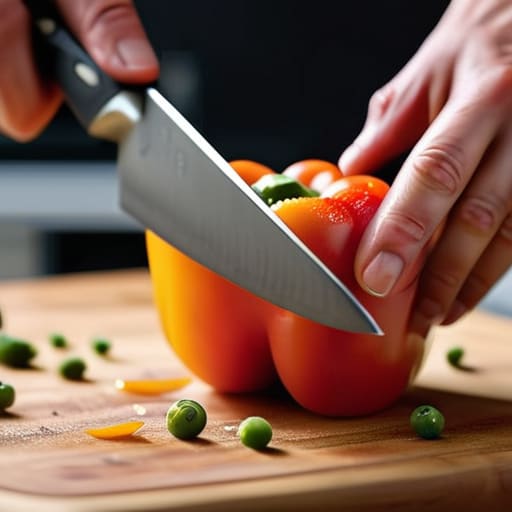
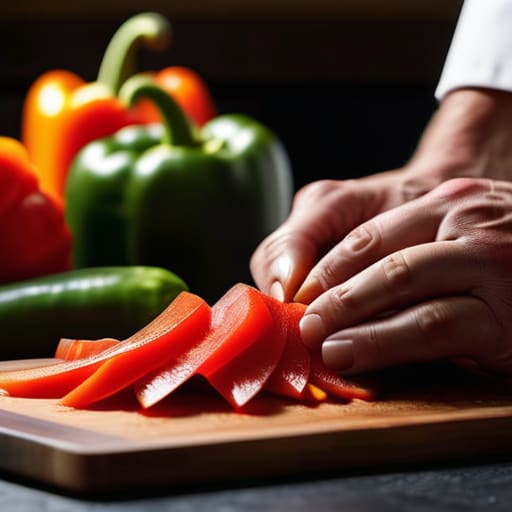
Think of your cutting board as your own little urban sanctuary—a controlled space where you can find focus amidst the day’s noise. To keep that sanctuary safe, we need to talk about the “claw grip.” By tucking your fingertips inward and using your knuckles to guide the blade, you’re essentially creating a protective barrier. It’s a bit like navigating a crowded subway platform; you need to be aware of your surroundings and maintain a steady, intentional posture. Mastering these safe vegetable cutting techniques isn’t just about avoiding a nick; it’s about building the muscle memory that allows you to transition from frantic energy to a state of calm, rhythmic precision.
As you move from larger vegetables to more delicate aromatics, you’ll start to feel the nuances between chopping vs dicing vs mincing. Each movement has its own unique tempo, much like the shifting sounds of a city street. Dicing requires a structured, geometric approach, while mincing is a rapid-fire staccato that demands even more stability. When you respect these distinctions, you aren’t just preparing food; you are orchestrating a culinary experience that turns a simple meal into a moment of intentional living.
The Urban Architect’s Toolkit: 5 Essentials for Mastering Your Blade
- Honor Your Equipment: Just like a well-maintained subway line, a dull knife is a liability. Keep your blades sharp; a sharp edge isn’t just about precision, it’s about the confidence to glide through a task without the jarring friction of a blunt tool.
- The Anchor Point: Think of your non-cutting hand as the foundation of a skyscraper. Use the “claw grip” to tuck your fingertips inward, using your knuckles as a guide for the blade. This creates a stable, safe structure that keeps your hands out of the line of fire.
- Respect the Workspace: A cluttered cutting board is the culinary equivalent of a crowded sidewalk at rush hour—chaotic and dangerous. Clear your zone, stabilize your board with a damp paper towel underneath, and give yourself the physical breathing room to move with intention.
- Embrace the Rhythmic Rock: Don’t hack at your ingredients like you’re clearing debris from a construction site. Instead, adopt a smooth, rocking motion that utilizes the curve of the blade. It turns a repetitive chore into a rhythmic, almost meditative urban pulse.
- Size Matters: Not every job requires a heavy-duty tool. Just as you wouldn’t take a massive transit bus on a narrow cobblestone alley, don’t use a giant chef’s knife for delicate tasks like mincing garlic. Match your tool to the scale of your task to maintain total control.
Mastering the Rhythm of the Blade
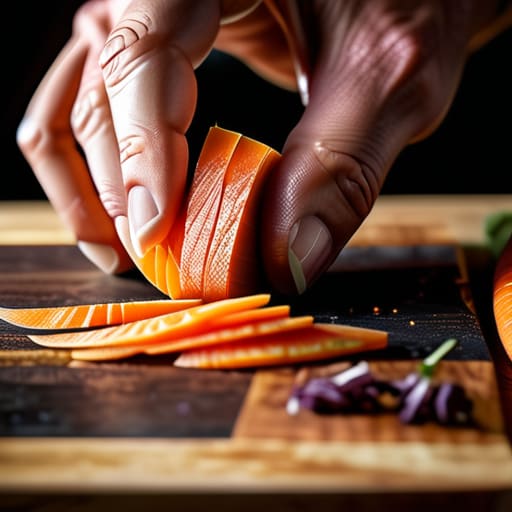
As we wrap up our journey through the fundamentals, remember that mastering your knife is about much more than just avoiding a nick on your finger. We’ve explored how finding that perfect, relaxed grip transforms a heavy tool into an extension of your own hand, and how utilizing safe, structured cutting techniques allows you to navigate the kitchen with the same intentionality you’d use when navigating a busy subway station. When you combine a steady grip with the right technique, you aren’t just prepping ingredients; you are cultivating a sense of control amidst the potential chaos of a busy evening. It’s about turning a chore into a deliberate practice of precision and grace.
I often sit in the park, watching how the most beautiful urban patterns emerge from a series of small, disciplined movements. Cooking is no different. Every slice, every dice, and every julienne is a tiny beat in the larger symphony of your life. Don’t be discouraged if your first few attempts feel clunky or uncoordinated; even the most seasoned chefs started with a bit of hesitation. Embrace the learning curve, listen to the rhythmic thud-thud-thud of the blade against the board, and treat every meal as an opportunity to find your flow. You’re not just making dinner; you’re mastering the art of living well, one precise cut at a time.