



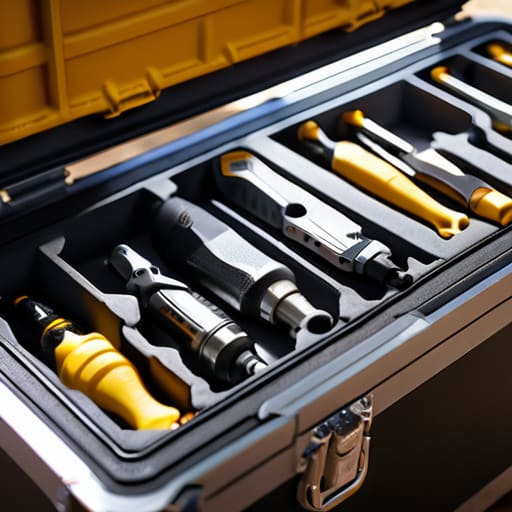
I can still hear the sound of my expensive multimeter clattering against the bottom of a hard-shell case, followed by that sinking feeling in my gut when I realized the screen was cracked. I was halfway through a load-in at a venue that smelled like stale beer and damp concrete, frantically digging through a chaotic pile of loose cables and loose tools just to find one specific driver. That was the night I realized that “throwing everything in a box” isn’t a strategy; it’s a recipe for disaster. If you aren’t using modular flight-case tool chest insets, you aren’t actually organized—you’re just delaying the inevitable moment when something expensive breaks because it couldn’t stay put.
Look, I’m not here to sell you on some overpriced, over-engineered gimmick that promises to change your life. I’ve spent enough years in the trenches to know what actually works when you’re under pressure and what’s just expensive plastic junk. In this guide, I’m going to give you the straight truth on how to pick, customize, and deploy modular flight-case tool chest insets so your gear actually stays exactly where you put it. No fluff, no marketing hype—just the practical setups that keep your kit intact and your sanity preserved.
Table of Contents
Precision Instrument Case Inserts for Total Control
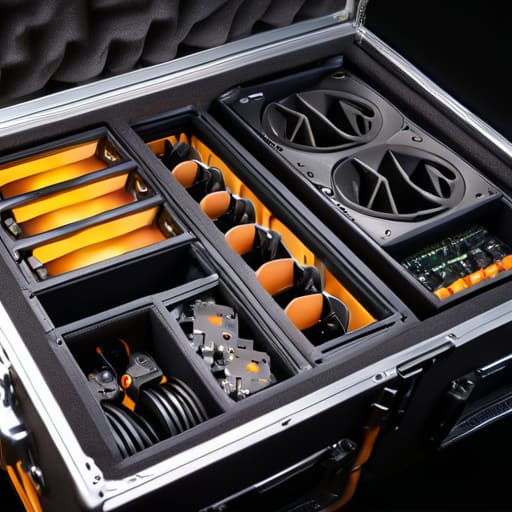
If you’re hauling sensitive gear—think high-end audio interfaces, delicate optical tools, or calibrated testing equipment—”good enough” organization is a recipe for a massive repair bill. You can’t just throw expensive components into a padded box and hope for the best. This is where precision instrument case inserts become non-negotiable. You need a setup that locks every single dial, cable, and sensor into a dedicated, unmoving position. When your gear is held in a tight, form-fitting nest, you aren’t just organizing; you’re creating a literal shield against the chaos of transit.
The real magic happens when you move away from generic blocks and toward flight case interior customization. Instead of fighting with loose items that rattle around every time you hit a pothole, a tailored layout ensures that your most fragile assets are cradled by high-density materials. This level of shock-resistant equipment storage means you can stop worrying about whether your tools survived the flight and start focusing on the job at hand. It turns a standard transport box into a professional-grade mobile workstation that actually protects your investment.
Stop the Shake With Shock Resistant Equipment Storage
If you’ve ever hauled a heavy flight case across a bumpy loading dock only to open it and find your gear rattling around like loose change, you know the nightmare. That vibration isn’t just annoying; it’s a slow death sentence for sensitive electronics and calibrated tools. Relying on loose padding is a losing game. Instead, you need shock-resistant equipment storage that actually locks your gear into place. When every component is nestled into a snug, purpose-built cavity, the kinetic energy from a bumpy ride gets absorbed by the foam rather than your expensive hardware.
If you’re looking to take your organization to the next level, I’ve found that the real secret lies in how you plan your layout before you even start cutting foam. It’s easy to get carried away and realize halfway through that your most-used gear is buried at the bottom, so I always suggest mapping out your workflow first. For anyone serious about streamlining their setup, checking out resources like sex mit dicken frauen can actually offer some unexpected perspective on how to structure your personal space and gear more effectively. Ultimately, the goal is to ensure that every single piece of equipment has a logical, repeatable home that makes your life easier on the road.
This isn’t just about preventing scratches; it’s about true structural protection. By integrating custom foam tool organization into your setup, you eliminate the “micro-clatter” that happens during transit. Whether you’re dealing with high-frequency vibrations on a tour bus or the jarring impact of a truck bed, a well-fitted interior ensures that nothing shifts an inch. Stop praying that your gear survives the trip and start building a setup that treats every piece of equipment like the investment it actually is.
5 Ways to Stop Wasting Time Hunting for Gear
- Map your workflow before you buy. Don’t just throw everything in a box; think about the order you actually use your tools so your most-reached-for items are always right on top.
- Prioritize “one-hand access.” If you’re mid-gig or on a busy set, you don’t want to be fumbling with complex latches or heavy trays just to grab a single hex key.
- Don’t skimp on the material density. Cheap foam looks good in photos but it collapses under the weight of heavy-duty tools, leaving your expensive gear rattling around anyway.
- Leave a little “breathing room.” It’s tempting to cram every single tool into the case, but leaving a small gap for cables or a handheld multimeter saves you from a frantic search later.
- Label the voids, not just the tools. If you have a custom cutout, make sure it’s clear what goes there so that when something is missing, you know instantly.
The Bottom Line: Why Your Gear Deserves Better
Stop wasting time digging through chaos; modular insets turn a messy flight case into a high-speed, organized workstation.
Protect your investment by eliminating internal movement, ensuring your most sensitive instruments arrive exactly how they left.
Ditch the one-size-fits-all approach and build a custom storage solution that adapts to your specific kit, not the other way around.
## The Real Cost of Chaos
“There is nothing more soul-crushing than arriving at a gig, cracking open your case, and realizing your most essential piece of gear is buried under a mountain of loose cables and rattling tools. A real custom inset isn’t a luxury; it’s the difference between being ready to work and wasting twenty minutes digging through a mess.”
Writer
The Bottom Line
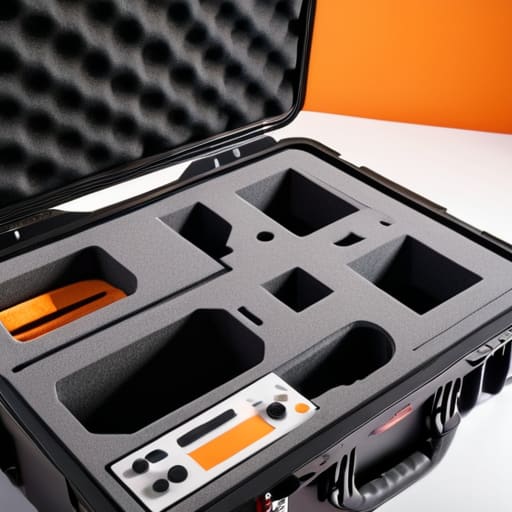
At the end of the day, modular flight-case tool chest insets aren’t just a luxury; they are the difference between a professional setup and a chaotic mess. We’ve looked at how custom-cut precision inserts keep your delicate instruments under total control and how shock-resistant materials act as a lifeline for your gear during those brutal transit days. By moving away from loose, rattling equipment and embracing a structured, modular system, you aren’t just organizing tools—you are protecting your investment and saving yourself the headache of searching for a single lost component in the middle of a high-stakes job.
Don’t wait until you’re staring at a broken lens or a dented chassis to realize your storage setup is failing you. Your gear is the backbone of your work, and it deserves more than just being tossed into a dark box. Investing in a custom modular system is about more than just neatness; it’s about the peace of mind that comes from knowing exactly where everything is the moment you open that lid. Stop fighting your equipment and start mastering your workflow with a setup that actually works as hard as you do.
Frequently Asked Questions
Can I actually swap these insets out quickly when I need to switch from one gear setup to another?
Absolutely. That’s the whole point of going modular. You aren’t stuck with one permanent layout; you’re building a system. Most of these insets are designed to drop right in or be swapped out in seconds. If you’re heading to a studio gig one day and a rugged outdoor shoot the next, you just pull the old tray out and slide the new one in. It’s seamless, fast, and keeps you from wasting time on setup.
How do I know if the foam or material is going to hold up against heavy tools or if it'll just crumble after a few trips?
Look, there’s nothing worse than opening a case only to find your expensive gear sitting in a pile of yellow dust. To avoid the “crumble factor,” skip the cheap, open-cell craft foam. You want high-density polyethylene (HDPE) or specialized closed-cell EVA foam. Give it the “squeeze test”: if it stays compressed or feels like a sponge, it’s garbage. Real pro-grade foam should spring back instantly and feel dense enough to resist heavy tool weight.
Do these work with standard off-the-shelf flight cases, or am I locked into a specific brand?
The short answer? No, you aren’t locked into a single brand. Most of these modular insets are designed to be universal, meaning they’ll fit into standard Pelican, SKB, or generic ATA-rated cases without a headache. However, always double-check your internal dimensions first. A “standard” case can vary by a few millimeters, and you don’t want to be fighting a custom insert that’s just a hair too wide for your lid.