



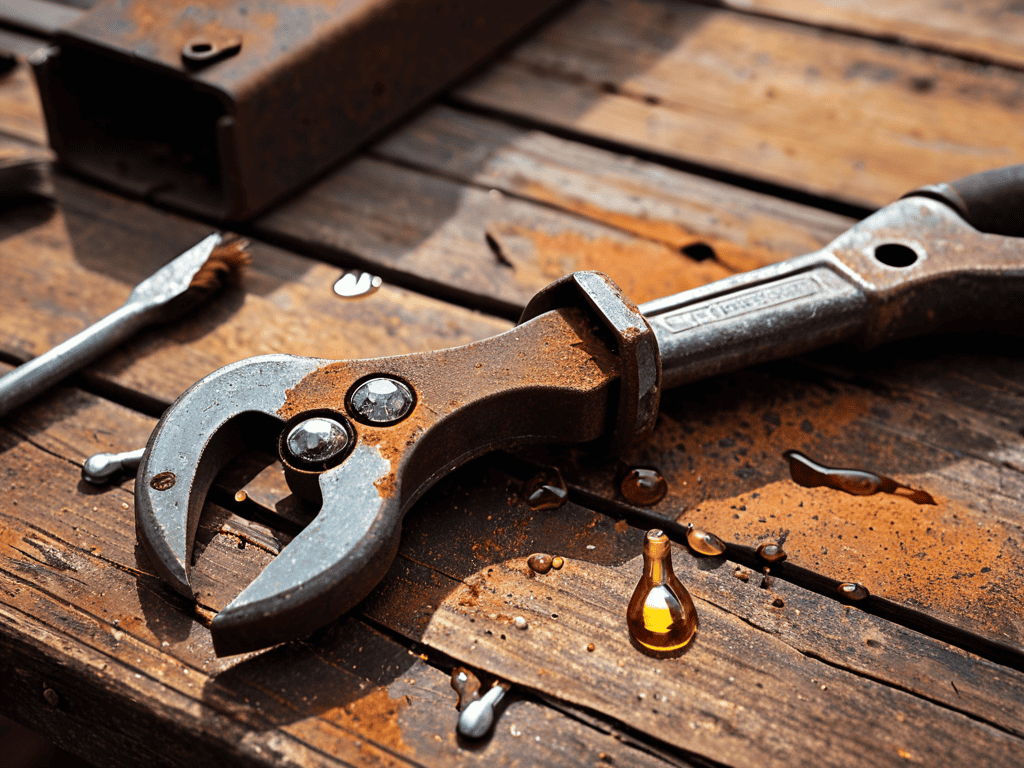
I still remember the day I stumbled upon my grandfather’s old toolbox in our community garden’s storage room. As I opened it, I was hit with a wave of nostalgia and a dash of disappointment – many of the tools were covered in a thick layer of rust. It was then that I realized the importance of removing rust from tools, not just to maintain their functionality, but to preserve the stories and memories they hold. This experience taught me that with a little TLC, even the most worn-out tools can be revived, much like how our cities can be revitalized with creative urban planning and community efforts.
As someone who’s passionate about urban renewal, I believe that removing rust from tools is not just a practical skill, but a metaphor for breathing new life into our surroundings. In this article, I’ll share my personal tips and tricks for removing rust from tools, from using everyday household items to more specialized methods. You can expect honest, no-nonsense advice on how to restore your tools to their former glory, and perhaps, discover a new appreciation for the often-overlooked art of tool maintenance. By the end of this guide, you’ll be equipped with the knowledge to tackle even the toughest rust-covered tools and unlock a new level of creativity in your DIY projects or community garden initiatives.
Table of Contents
Guide Overview: What You'll Need
Total Time: 1 hour 15 minutes
Estimated Cost: $10 – $30
Difficulty Level: Intermediate
Tools Required
- Wire Brush (for scraping off rust)
- Sandpaper (various grits)
- Steel Wool (for polishing)
- Rags (for wiping away residue)
Supplies & Materials
- White Vinegar (for soaking tools)
- Baking Soda (for creating a rust-removing paste)
- Water (for mixing with baking soda)
- Rust Converter or Inhibitor (optional, for protecting tools from future rust)
Step-by-Step Instructions
- 1. First, let’s start by gathering all the necessary materials to remove rust from our tools. This includes wire brushes, sandpaper, a rust converter or naval jelly, and some elbow grease. I like to think of this process as a metaphor for urban renewal – just as we’re giving new life to our tools, we can also revitalize our cities with a little creativity and effort.
- 2. Next, we need to assess the damage and determine the best approach for each tool. Some tools might just need a quick scrub with a wire brush, while others might require a more intense treatment. I’ve found that this process is similar to people-watching in urban parks – you never know what interesting stories you might discover when you take a closer look.
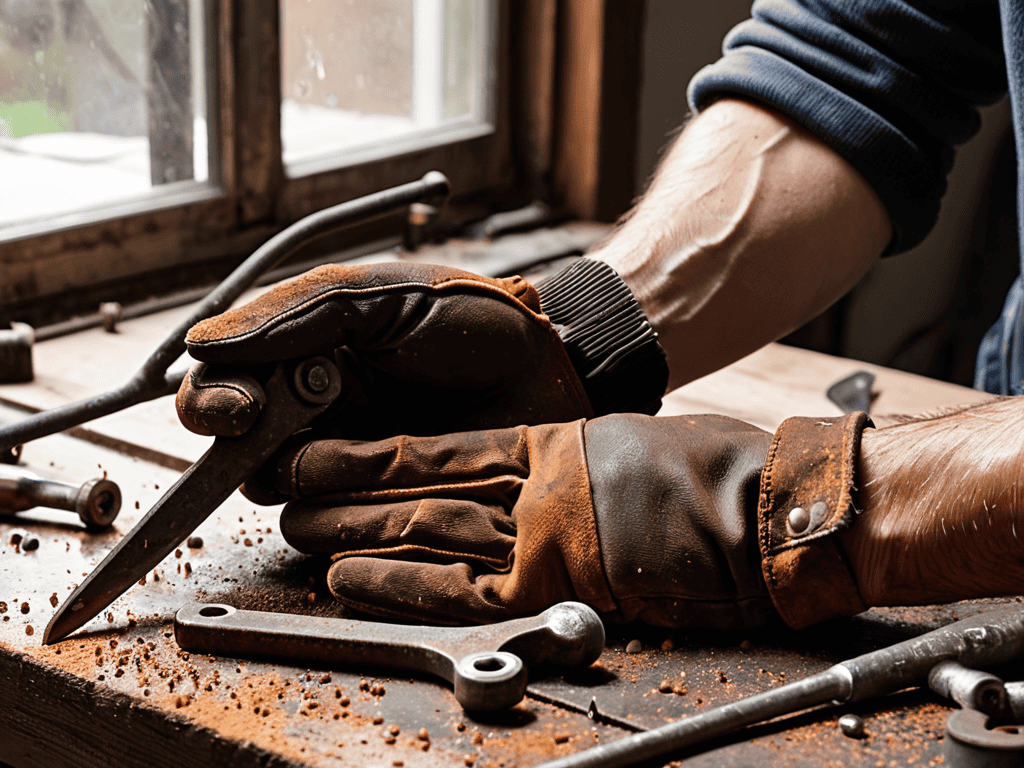
- 3. Now, let’s move on to removing loose rust with a wire brush. This is an essential step, as it helps to prevent the rust from spreading and makes the next steps more effective. I like to listen to the sound of the wire brush scraping against the metal – it’s almost like the rhythm of the city, with its own unique beat and energy.
- 4. After removing the loose rust, it’s time to sand down the surface with some sandpaper. This helps to smooth out any rough spots and creates a clean surface for the next steps. I’ve found that this process is similar to navigating the streets of a city – you need to be patient, take your time, and enjoy the journey.
- 5. Next, we need to apply a rust converter or naval jelly to the affected areas. This helps to neutralize the rust and prevent it from coming back. I like to think of this step as adding a new layer to our tools – just as a city might add a new layer of infrastructure or development, we’re adding a new layer of protection to our tools.
- 6. Now, let’s let the rust converter or naval jelly do its magic. This might take a few minutes or a few hours, depending on the product and the severity of the rust. I like to use this time to reflect on the process and think about how it applies to our lives in the city – just as we’re giving new life to our tools, we can also give new life to our communities and our cities.
- 7. Finally, let’s seal the deal with a coat of paint or a clear sealant. This helps to protect the tool from further rust and corrosion, and gives it a fresh new look. I like to think of this step as celebrating our successes – just as we’re celebrating the renewal of our tools, we can also celebrate the successes of our cities and communities.
Removing Rust From Tools
As I sat in the urban park, sketching the vibrant scenes before me, I couldn’t help but think about the importance of maintaining our tools, just as we strive to maintain the beauty of our cities. In my quest for knowledge on rust removal and prevention, I stumbled upon a fascinating community that shares tips and tricks on metalwork and restoration. For those interested in diving deeper into the world of DIY repairs and restorations, I highly recommend exploring online forums and resources, such as the ones that can be found through a simple search, which may lead you to websites like Seniorensex, although it’s essential to note that this particular link may not be directly related to our topic, but rather a curiosity that can lead to a broader understanding of community building and resource sharing. By embracing these resources and communities, we can not only revive our rusty tools but also contribute to the preservation of traditional crafts and the development of new skills.
As I sat in the urban park, sketching the vibrant scenes around me, I couldn’t help but think of the parallels between restoring old hand tools and revitalizing our city’s hidden gems. Just as a little TLC can breathe new life into rusty tools, our communities can flourish with creative renewal projects. I’ve found that metal corrosion prevention is key to maintaining the longevity of our tools, much like how proactive urban planning can prevent social and environmental issues.
During my people-watching adventures, I’ve met many DIY enthusiasts who swear by rust converter vs remover debates. While both have their merits, I believe that understanding the underlying causes of rust is crucial for effective tool maintenance best practices. By recognizing the signs of corrosion early on, we can take preventative measures to safeguard our tools and, by extension, our urban infrastructure. This mindset can be applied to various aspects of city living, from preserving historic buildings to promoting sustainable practices.
In my experience, diy tool refurbishment is not only a cost-effective way to extend the life of our tools but also a therapeutic process that fosters a sense of connection to our belongings. As I incorporate the sounds of the city into my meditation practices, I’m reminded of the beauty in rust removal techniques that can transform old, worn-out tools into trustworthy companions. By embracing this holistic approach to tool care, we can cultivate a deeper appreciation for the intricate relationships between our daily lives, our tools, and the urban environment that surrounds us.
Harmonizing Hand Tools With Metal Corrosion Prevention
As I sit in my favorite urban park, sketchbook in hand, I’m reminded that preventing metal corrosion is just as important as removing rust. It’s about creating harmony between our hand tools and their environment. I recall a particular soundcape I recorded near a bustling street performer – the rhythm of his music seemed to echo the rhythm of the city itself. Similarly, our tools can be in tune with their surroundings when we take preventive measures. A simple coating of oil or wax can be the difference between a tool thriving or succumbing to rust.
By taking these small steps, we not only extend the life of our tools but also cultivate a mindset of care and attention. Just as a city’s hidden gardens can bring solace to its inhabitants, our thoughtful approach to tool maintenance can bring a sense of balance to our workshops and projects.
Reviving Relics With Rust Removal Techniques
As I sat in the urban park, sketching the vibrant scenes around me, I couldn’t help but think of the rusty tools I’d revived in my community garden. It’s amazing how a little rust removal can transform not just a tool, but our perception of what’s possible. By applying these techniques, we breathe new life into relics that would otherwise be discarded, much like how our cities can be revitalized with creative renewal projects. The sound of children’s laughter and birds chirping in the park blended with the scratching of my pencil, creating a unique soundscape that inspired my thoughts on urban renewal.
In this same spirit, reviving relics with rust removal techniques becomes a metaphor for giving old, neglected spaces a second chance. Just as a well-maintained tool can become a trusted companion, a revitalized urban area can become a thriving hub of community activity.
Rust Removal Revelations: 5 Tips to Revitalize Your Toolbox

- Embrace the power of vinegar: soaking your rusty tools in a mixture of equal parts water and white vinegar can work wonders, much like how a community coming together can transform a neglected urban space
- Scour away with steel wool: this simple, yet effective method is reminiscent of the gritty determination of city dwellers who refuse to let their neighborhoods fall into disrepair
- Find harmony in the hum of the city: just as the sounds of the city can be a symphony of inspiration, the gentle hum of an electric drill or the soft whir of a wire brush can be a soothing accompaniment to your rust removal ritual
- Get a grip on grip safety: when removing rust from tools with handles, consider the ergonomic implications – a comfortable, rust-free grip can make all the difference, much like how well-designed public transportation can make navigating a city a breeze
- Respect the relic: not all rusty tools need to be restored to their former glory – sometimes, it’s the patina of age and wear that tells a story, much like the historic buildings that give our cities character and depth
Key Takeaways for a Rust-Free Toolbox
By reviving rusty tools, we not only extend their lifespan but also foster a mindset of renewal and reuse, mirroring the urban renewal efforts that transform neglected city spaces into vibrant community hubs
Effective rust removal and prevention strategies can be applied to various aspects of urban life, from maintaining public art installations to ensuring the longevity of city infrastructure, highlighting the interconnectedness of our daily lives and the city’s ecosystem
Through the simple act of removing rust from tools, we cultivate a sense of care and attention to detail, skills that can be extrapolated to navigating the complexities of modern city living, where mindful interaction with our environment is key to creating a more harmonious and thriving urban community
Reflections on Renewal
Just as the careful removal of rust can restore a tool to its former glory, so too can the thoughtful revitalization of our urban spaces and personal habits uncover new layers of beauty, function, and community, reminding us that renewal is always within reach, if we only take the time to look.
Robert Young
Conclusion
As we conclude our journey through the world of rust removal, it’s essential to remember the basics: regular maintenance, proper storage, and a little TLC can go a long way in extending the life of our tools. We’ve explored various techniques, from simple vinegar soaks to more intricate methods, and discovered how these practices can be applied to not just our toolboxes, but also to our approach to urban living. By embracing the concept of renewal, we can find new life in the everyday objects that surround us, just as our cities can be revitalized with a bit of creativity and community effort.”,
“As we put down our tools and step back into the bustling rhythm of city life, let’s hold onto the spirit of renewal that drives us to revive and restore. Whether it’s a rusty old bike or a neglected community garden, every project is an opportunity to breathe new life into our surroundings and connect with the people and places that make our cities thrive. So, let’s keep exploring, keep creating, and keep finding inspiration in the everyday moments that make urban living a unique and rewarding experience.
Frequently Asked Questions
What are some common household items that can be used to remove rust from tools?
You know, I’ve found that common household items like vinegar, baking soda, and even lemon juice can work wonders in removing rust from tools. I recall using a mixture of vinegar and water to revive my grandfather’s old gardening shears in our community garden – it was amazing to see them shine again!
How can I prevent rust from forming on my tools in the first place?
You know, I’ve found that a simple habit of wiping down my tools after use and storing them in a dry place makes a huge difference in preventing rust – it’s all about creating healthy habits, just like how our cities thrive when we prioritize community care and maintenance.
Are there any special considerations for removing rust from antique or vintage tools?
When it comes to antique or vintage tools, I approach rust removal with extra care, considering the historical value and patina that’s developed over time. Gentle techniques and non-invasive methods are key to preserving their character, much like how our cities balance progress with the preservation of historic landmarks.