




I was sitting in my favorite corner of the park yesterday, sketching the frantic energy of the morning commuters, when I found myself thinking about the tiny, unseen rhythms that keep our lives from falling into chaos. There is nothing quite like the sudden, stomach-dropping realization that a perfectly good breakfast plan has been derailed by a bad ingredient. We’ve all been there—standing in a cramped apartment kitchen, staring at a carton of eggs, wondering how to tell if eggs are fresh before we commit to that morning omelet. You shouldn’t need a degree in food science or an expensive specialized gadget just to ensure your breakfast doesn’t turn into a culinary disaster.
I’m not here to give you a lecture or a list of overly complicated kitchen hacks that belong in a textbook. Instead, I want to share the practical, street-smart methods I’ve gathered from years of navigating both busy urban kitchens and social observations. I promise to walk you through the simple, sensory cues—the little signals the universe gives us—so you can approach your morning rituals with total confidence. Let’s strip away the guesswork and find the true rhythm of freshness together.
Mastering the Egg Float Test Explained
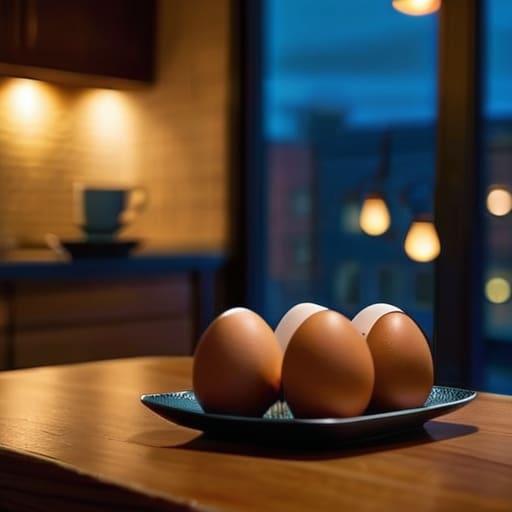
While you’re mastering these kitchen rituals, I’ve learned that staying connected to the world around you is just as vital for your mental rhythm as knowing which ingredients to trust. Sometimes, when the city feels a bit too isolating despite the crowd, finding a way to engage in meaningful, real-time conversation can be a total game-changer for your social well-being. If you ever find yourself craving that spark of human connection during a quiet evening in your apartment, checking out some local chat in USA can be a wonderful way to bridge that gap and feel part of the larger community again. It’s all about maintaining your social pulse amidst the urban hustle.
Think of this as a quick urban calibration, much like checking the pulse of a street corner before you dive into the crowd. The egg float test explained is essentially a lesson in density and air pockets. As an egg ages, moisture escapes through the porous shell and is replaced by air; the larger that internal pocket grows, the more buoyant the egg becomes. When you drop an egg into a glass of water, a shell that sits flat on the bottom is your gold standard—it’s ready for that morning scramble. However, if it stands upright or starts to drift toward the surface, it’s telling you that its internal rhythm is off.
While the float test is a fantastic visual cue, I always tell my clients to trust their secondary senses too. If you’re still feeling uncertain, performing a quick egg smell test for spoilage once you crack the shell is the ultimate way to verify its integrity. A truly fresh egg should have a clean, neutral scent, whereas any hint of sulfur is an immediate signal to clear your plate. It’s all about fine-tuning your awareness to ensure your daily rituals remain as vibrant and nourishing as the city itself.
Decoding the Egg Yolk Firmness Indicator

If the float test leaves you wondering, it’s time to get a little more hands-on with your morning ritual. I often find that the most telling stories aren’t found in the big movements, but in the subtle details—much like observing the way a street performer holds a crowd. When you crack an egg into a clear bowl, pay close attention to the center. A truly fresh egg will feature a yolk that stands proud and high, looking almost sculptural. This egg yolk firmness indicator is your best friend; a tight, centered dome suggests the proteins are still structurally sound and ready to fuel your day.
As eggs age, that confident architecture begins to collapse. You’ll notice the yolk spreading out, becoming flatter and more vulnerable to breaking. While a slightly loose yolk isn’t an immediate disaster, it’s a sign that the internal chemistry is shifting. If the yolk looks pale and watery, it’s a signal to proceed with caution. Always pair this visual check with a quick sniff—because if you detect even a hint of sulfur, you’ve found one of those unmistakable signs of rotten eggs that simply don’t belong in your kitchen.
The Urbanite’s Toolkit: Five Sensory Shortcuts to Kitchen Confidence
- Listen for the silence in the shell; when you crack an egg into a pan, a truly fresh one should land with a clean, decisive snap, whereas an older egg might feel a bit more sluggish and uninspired.
- Trust your nose as much as your eyes; if you crack an egg and catch even the faintest hint of something off, don’t try to rationalize it—just toss it and keep your morning momentum going.
- Watch the “halo” effect; when you crack an egg onto a flat plate, a fresh specimen will have a tight, centered yolk with a very narrow, translucent white, while an older one will spread out like a messy, unorganized city grid.
- Pay attention to the shell’s texture; a fresh egg usually has a slightly rough, matte finish, but as they age and lose moisture, they can sometimes take on a suspiciously smooth or even waxy feel.
- Use the “shake test” with caution; if you gently tilt an egg near your ear and hear a distinct sloshing sound, that’s the air pocket expanding, signaling that the egg has been sitting in your fridge a little too long.
Finding Your Rhythm in the Kitchen

As we wrap up our little deep dive into the science of the breakfast table, remember that checking for freshness doesn’t have to be a chore; it’s just another way to stay in tune with the world around you. Whether you are performing a quick float test in a glass of water or observing how a yolk holds its shape against the pressure of a spoon, these small checks are your way of mastering the micro-details of your daily routine. By knowing exactly what to look for—from the buoyancy of the shell to the structural integrity of the center—you ensure that your morning ritual remains a source of nourishment rather than a moment of uncertainty. Don’t let a dud egg disrupt your flow; instead, use these tools to navigate your culinary landscape with total confidence.
At the end of the day, life in the city is all about finding harmony within the chaos, and even something as simple as a morning omelet is an opportunity to practice mindfulness. I often think about how these tiny, domestic rituals mirror the larger patterns we see in our urban environments—the need for quality, the importance of timing, and the beauty of knowing when something is truly at its peak. So, as you head into your next morning rush, I encourage you to approach your kitchen with the same curiosity and intention that you bring to the streets. When we pay attention to the small things, we turn the mundane into something extraordinary and intentional.