



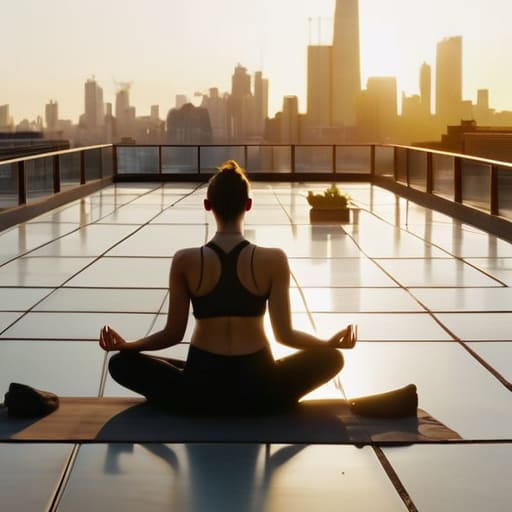
I was sitting on a weathered bench in Washington Square Park last Tuesday, my sketchbook open, when a jackhammer started up just twenty feet away. For a second, the sheer, unadulterated chaos of the city felt like it was vibrating right through my bones, making the very idea of “finding zen” feel like a total joke. We’ve all been sold this glossy, unrealistic image that learning how to start a daily meditation practice requires a silent mountain retreat or a thousand-dollar silk cushion. But let’s be real: if you’re living a life that actually moves, you don’t have time to escape reality just to find a moment of peace; you need to learn how to find it within the noise.
I’m not here to sell you on some mystical, unreachable state of enlightenment that requires you to leave your urban life behind. Instead, I want to share the practical, grounded strategies I’ve developed as both a sociologist and a city dweller to help you anchor yourself when the world gets loud. I promise to give you a no-nonsense roadmap to building a routine that actually fits into your hectic schedule, turning those frantic city rhythms into a personal symphony of focus rather than a source of stress.
Mastering Meditation Techniques for Beginners in the Urban Rush

Sometimes, finding that inner quiet is easier when you lean into the social energy around you rather than trying to hide from it. I’ve found that observing the raw, unfiltered ways people connect can actually be a form of mindfulness in itself—a way to witness the human condition without judgment. If you’re looking to explore those spontaneous, real-world human connections that often define our urban social fabric, checking out something like an edmonton hookup can be a way to step out of your head and into the vibrant pulse of shared experience. It’s all about learning to stay present, whether you’re sitting alone on a park bench or engaging in the beautifully unpredictable dance of city life.
When you’re first starting out, don’t feel like you need to retreat to a silent mountain peak to find peace. In fact, some of the most effective meditation techniques for beginners involve leaning into the environment rather than fighting it. I often find myself sitting on a weathered park bench, letting the rhythmic hiss of bus brakes and the distant chatter of a street performer become my focal point. Instead of viewing these as interruptions, try treating them as the soundtrack to your presence. This shift in perspective is a game-changer for overcoming distractions during meditation, turning a chaotic intersection into a living, breathing classroom for awareness.
If you’re feeling overwhelmed, I highly recommend trying a guided meditation for beginners via an app while you’re riding the subway or sitting in a crowded café. It provides a gentle scaffolding for your wandering mind. As you work on creating a meditation routine, remember that consistency beats duration every single time. Even five minutes of intentional breathing while waiting for your coffee can serve as a powerful anchor, helping you reclaim your agency amidst the urban rush.
Finding the Best Time of Day to Meditate Amidst Chaos

I often find myself sitting on a weathered park bench, sketching the commuters rushing toward the subway, and I can’t help but wonder: when do we actually find the space to breathe? There is no universal “golden hour” for everyone, but finding the best time of day to meditate often comes down to when you can most effectively negotiate with your environment. For some, the pre-dawn stillness—that brief, magical window before the first sirens and espresso machines kick in—is the ultimate sanctuary. For others, the heavy weight of a workday makes a sunset session the perfect way to decompress.
The trick isn’t waiting for a perfect, silent void; it’s about integrating stillness into your existing rhythm. If you’re a night owl, trying to force a 5:00 AM session might just leave you feeling more frazzled. Instead, focus on creating a meditation routine that aligns with your natural energy levels. Whether you’re using a quiet moment on a morning train or carving out ten minutes before bed, the goal is consistency over perfection. Listen to the city’s pulse, find your beat, and let the timing work for you, not against you.
Small Anchors: Five Ways to Root Yourself in the Urban Flow
- Don’t wait for a silent temple; embrace the “micro-moment.” If you can’t find twenty minutes of peace, take three minutes while waiting for your subway train or during that brief lull between back-to-back meetings. These tiny pockets of stillness are often more effective because they teach you to find calm right where you are, rather than waiting for a perfect environment that rarely exists in the city.
- Use the city’s rhythm as your metronome. Instead of fighting the distant siren or the hum of a neighbor’s AC, try incorporating them into your practice. I call this “soundscape integration.” Listen to the city not as a distraction, but as a continuous, flowing soundtrack. It shifts your perspective from being a victim of the noise to being an observer of the urban symphony.
- Create a sensory “urban sanctuary” in your own space. You don’t need a Zen garden; even a specific corner of your apartment with a single plant and a soft lamp can signal to your brain that it’s time to shift gears. This physical cue helps bridge the gap between the frantic energy of the sidewalk and the intentional calm of your practice.
- Ditch the “perfect stillness” myth. In my sociology studies, I learned that life is inherently messy and interconnected. Your meditation will be messy, too. If your mind wanders to your grocery list or the construction outside your window, don’t judge yourself. Just acknowledge the thought like a passing pedestrian and gently bring your focus back to your breath.
- Anchor your practice to an existing urban ritual. To make it stick, tie your meditation to something you already do without thinking—like that first sip of coffee in your favorite local cafe or the moment you step through your front door after a long commute. By piggybacking on an established habit, you turn a new discipline into a natural part of your city lifestyle.
Finding Your Rhythm in the Concrete Symphony
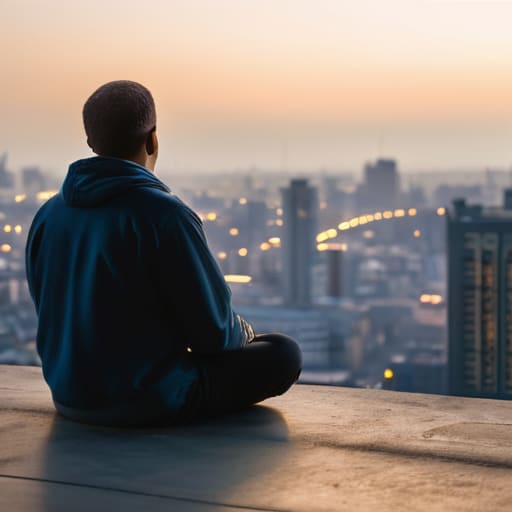
As we wrap up this journey into the quiet corners of your busy life, remember that building a meditation practice isn’t about escaping the city; it’s about learning to dance with it. We’ve explored how to adapt techniques to fit the frantic pace of the streets and how to strategically carve out time—whether that’s in the golden stillness of dawn or during a mid-day subway lull. It’s not about achieving a state of perfect, empty silence, but rather about cultivating a mental sanctuary that moves with you. By mastering these small, intentional moments, you turn the overwhelming roar of the metropolis into a rhythmic backdrop for your own personal growth.
So, as you step back out onto the sidewalk today, don’t feel pressured to be “zen” immediately. Just listen. Listen to the distant siren, the hum of the traffic, and the chatter of the crowd, and realize that you can be the calm center within that beautiful, chaotic swirl. Your meditation practice is a living, breathing part of your urban identity—a way to reclaim your agency in a world that never stops moving. Go forth with curiosity, embrace the noise, and remember that even in the heart of the jungle, you have the power to find your own peace.