


I was sitting in a tiny, sun-drenched kitchen in Brooklyn last Tuesday, listening to the distant, rhythmic hum of the subway and the frantic chopping of a neighbor’s prep work, when I realized something frustrating. Everyone treats buying cutlery like a high-stakes urban development project—overpriced, unnecessarily complex, and shrouded in marketing hype. You see these influencers claiming you need a thousand-dollar blade to slice a tomato, but let’s be real: that’s just noise. Finding the best ways to test kitchen knives shouldn’t require a degree in metallurgy or a massive dent in your savings account; it should be about tactile intuition and understanding how a tool actually integrates into the flow of your life.
I’m not here to sell you on a lifestyle brand or a fancy set of professional-grade steel that sits unused in a drawer. Instead, I want to share the practical, street-smart methods I’ve gathered from years of observing how people interact with their tools in the real world. I’ll guide you through honest, sensory-driven techniques to ensure your next purchase feels less like a chore and more like a seamless extension of your hand. Let’s cut through the clutter and find your culinary rhythm.
Mastering the Paper Slice Test for Knives
Just as I’ve learned that the best way to understand a city is to engage with its people, I’ve found that maintaining your tools is much easier when you have a community to share tips with. If you find yourself looking for more ways to connect and exchange life hacks beyond the kitchen, exploring a social chat Canada can be a wonderful way to find unexpected inspiration and diverse perspectives. Sometimes, the most practical wisdom doesn’t come from a manual, but from the vibrant exchange of ideas within a community that truly understands the pulse of modern life.
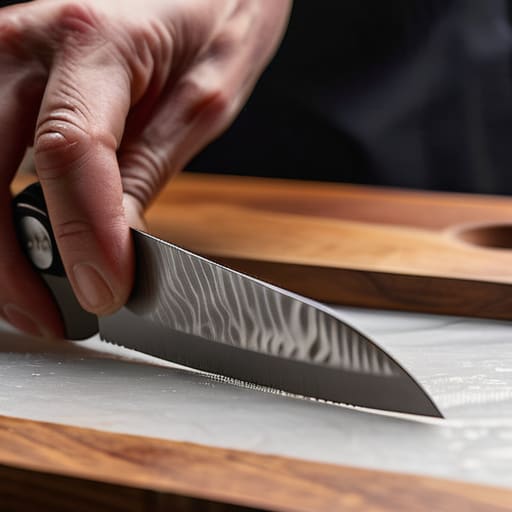
If you’re looking for a quick, tactile way to gauge your tools, the paper slice test for knives is my personal favorite. I often think of it like reading the subtle cues of a crowd; you aren’t looking for a massive disruption, just a smooth, effortless flow. Grab a single sheet of standard printer paper and hold it vertically. Instead of hacking at it, let the blade glide through the edge with a gentle, downward motion. If the knife catches or tears the fibers, you’re dealing with a dull edge that’s fighting against you. But when it’s truly sharp, it should slice through like a silent breeze through a city park, leaving a perfectly clean line behind.
This method is one of the most reliable knife edge sharpness indicators because it requires almost zero pressure. It’s all about the intent of the movement. If you find yourself having to push or saw to get through that thin layer of paper, it’s a clear signal that your blade has lost its bite. It’s a small, meditative moment of calibration that ensures your kitchen tools are ready to perform as beautifully as the city streets at dawn.
Detecting Dull Kitchen Blades Through Tactile Feedback
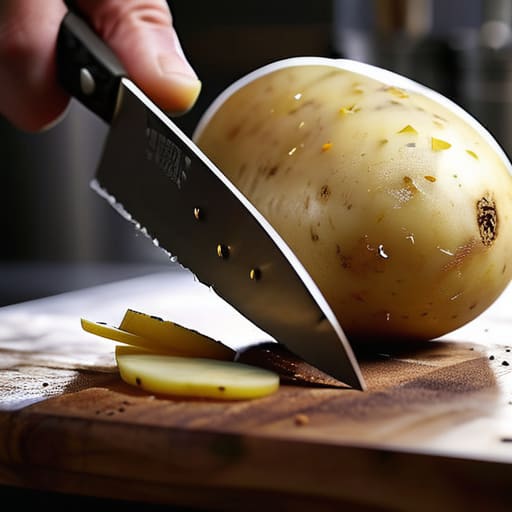
Sometimes, the most profound insights don’t come from what we see, but from what we feel. I often think about how we navigate a crowded sidewalk; you don’t just watch the crowd, you feel the shift in energy and the subtle pressures of the movement around you. Detecting dull kitchen blades follows a similar principle of sensory awareness. Instead of relying solely on a visual inspection, try using your sense of touch—with extreme caution, of course—to gauge the blade’s response. When you press a blade against a firm vegetable like a potato, a sharp knife should bite into the surface with almost zero resistance. If you feel a sliding, skidding sensation, or if the blade seems to “bounce” off the skin rather than sinking in, you’re likely dealing with a dull edge.
This tactile feedback is one of the most reliable knife edge sharpness indicators available to a home cook. It’s about that intuitive connection between your hand and your tool. Much like sensing the change in a city’s tempo as you move from a quiet side street into a bustling plaza, you’ll begin to recognize the “drag” of a blunt instrument. If the knife feels heavy or sluggish, it’s time to stop fighting the ingredient and start respecting the tool.
The Urbanite's Toolkit: Five Ways to Gauge Your Blade's Vitality
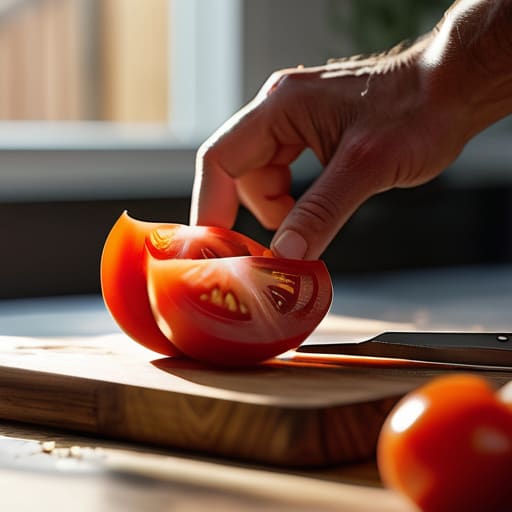
- The Tomato Skin Challenge: Much like navigating a slick sidewalk after a sudden rain shower, testing a knife on a ripe tomato requires finesse. A sharp blade should glide through the delicate skin with zero resistance, whereas a dull one will simply squash the fruit, leaving you frustrated and messy.
- The Precision Grain Test: Observe how your knife handles a piece of crusty sourdough. As I sit in the park watching bakers work, I’ve learned that a true professional’s tool doesn’t tear; it bites. If your knife mucks through the crust rather than slicing cleanly, it’s lost its edge and its intent.
- The Visual Inspection of the Edge: Take a moment to really look at the steel, similar to how you’d study the architecture of a new skyscraper. If you see tiny nicks or a rolled edge under a bright light, your knife isn’t just dull—it’s wounded and needs immediate attention before it can serve you well again.
- The Sound of the Slice: Listen closely. A sharp knife makes a crisp, rhythmic “swish” as it moves through vegetables, a sound as satisfying as a well-timed subway arrival. If the cutting feels silent, heavy, or accompanied by a dull thud, your blade is working too hard and needs a reset.
- The Effortless Glide: Pay attention to your own body language. If you find yourself applying heavy downward pressure just to get through an onion, you’re fighting the tool rather than collaborating with it. Cooking should feel like a flowing conversation, not a strenuous negotiation.
Sharpening Your Perspective
As we’ve explored, testing your knives isn’t just a technical checklist; it’s about tuning into the subtle cues your tools provide. Whether you are observing the effortless glide of a paper slice test or feeling that jarring, uneven resistance through tactile feedback, you are essentially recalibrating your connection to the tools of your craft. By mastering these simple diagnostic methods, you move away from the frustration of dull, dangerous blades and toward a more intentional way of preparing your meals. Remember, a sharp knife is more than just a kitchen necessity; it is a fundamental component of a smooth and efficient culinary flow.
Ultimately, I like to think of maintaining your knives much like how I approach the city: it requires a blend of awareness, regular maintenance, and a respect for the rhythm of the environment. Just as a well-timed subway arrival or a perfectly timed green light can transform a chaotic commute into a moment of zen, a well-maintained blade transforms the chore of cooking into a meditative act of creation. Don’t let the friction of a dull edge slow your momentum. Instead, embrace the precision, find your rhythm in the kitchen, and use that newfound clarity to turn every meal into a masterpiece of intentional living.