


I was sitting in a cramped, neon-lit bistro in the East Village last Tuesday, listening to the rhythmic clatter of dishes and the low hum of a dozen different conversations, when my plate arrived. I took one bite of the signature reduction and winced; it was a culinary traffic jam. It was all salt, no soul, and absolutely no cohesion. It reminded me of why so many people get intimidated by cooking: they think you need a chemistry degree or a pantry full of rare, expensive imports to master the art. But honestly? Learning how to balance flavors in sauces isn’t about following a rigid, elitist formula; it’s about understanding the dynamic tension between ingredients, much like the way a city needs both its heavy concrete structures and its light, airy parks to feel alive.
Sometimes, finding that perfect equilibrium requires stepping outside your usual routine to find fresh inspiration, much like how a sudden change in scenery can shift your entire perspective. I’ve found that when the kitchen feels a bit too stifling and the flavors just won’t align, seeking out a different kind of unfiltered energy can help clear the mental fog. For those looking to break away from the predictable and embrace a more spontaneous rhythm of life, exploring the vibrant and liberated pulse of miami casual sex can be a fascinating way to reconnect with your own desires and recharge your creative spirit before returning to the stove.
I’m not here to sell you on some overpriced spice kit or a complicated masterclass. Instead, I want to give you the strategist’s toolkit for the kitchen. I’m going to show you how to listen to your palate and use simple, everyday adjustments to turn a chaotic mess into a symphony of taste. We’re going to strip away the pretension and focus on the practical mechanics of acidity, fat, and heat, so you can navigate any recipe with the same confidence you use to navigate a crowded subway station.
Orchestrating Sweet and Sour Flavor Profiles for Harmony
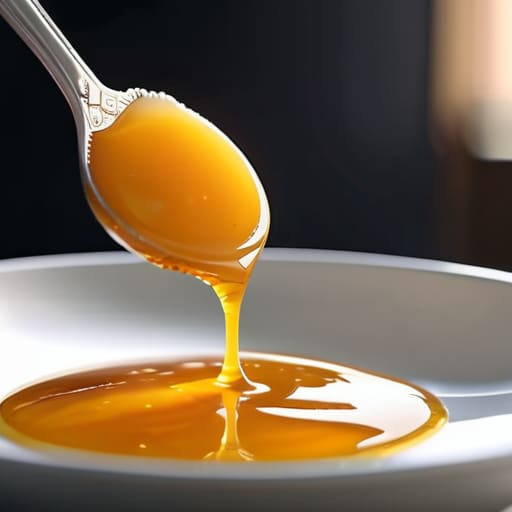
Think of the dance between sweetness and acidity much like the tension between a quiet, sun-drenched park and the electric energy of a subway station at rush hour. You need both to feel truly alive. When you’re working with sweet and sour flavor profiles, the sugar acts as the grounding force—the steady pavement beneath your feet—while the acid provides the spark, the sudden movement that keeps things from feeling stagnant. If your sauce feels heavy or one-dimensional, it’s often because the sweetness has overwhelmed the senses, leaving your palate feeling a bit lost in the crowd.
To find that perfect equilibrium, you have to master the art of adjusting acidity in cooking with the precision of a city planner. If a sauce feels too cloying, don’t reach for more sugar; instead, introduce a bright splash of lime or a dash of vinegar to cut through the density. It’s about creating a dynamic tension where neither side dominates. When you strike that balance, you aren’t just making a condiment; you are orchestrating a sensory experience that mimics the vibrant, rhythmic complexity of the streets we call home.
Navigating the Role of Acid in Culinary Seasoning
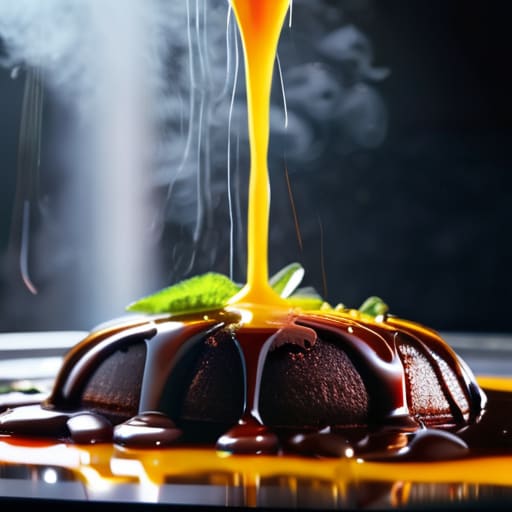
Think of acid as the sudden, bright flash of a neon sign against a dim city alleyway; it doesn’t just sit there, it demands your attention and provides clarity. When you’re working with heavy, rich ingredients, the role of acid in culinary seasoning is to act as a structural guide, cutting through the density so you can actually taste the individual components. Without it, a sauce can feel like a crowded subway car during rush hour—overwhelming, heavy, and lacking any sense of personal space. A squeeze of lime or a splash of vinegar provides that much-needed breathing room, allowing the lighter notes to dance through the richness.
I often find that when a dish feels “flat” or stuck in a rut, it isn’t necessarily a lack of salt that’s the problem, but a lack of brightness. If you find yourself balancing salt and fat in sauces and things still feel a bit muddy, try adjusting acidity in cooking to see if the flavors suddenly snap into focus. It’s a transformative moment, much like hearing the rhythmic pulse of a street performer emerge from the ambient roar of traffic, turning a chaotic noise into a coherent, beautiful melody.
The Urban Strategist’s Toolkit: 5 Tactics for Flavor Equilibrium
- Treat salt like the city’s power grid; it’s the invisible infrastructure that makes everything else function. Without it, your sauce is just a collection of disconnected neighborhoods, but with the right amount, every individual ingredient suddenly feels connected and alive.
- Use heat as your urban tempo. Much like the frantic energy of a rush-hour subway station, a sudden kick of chili can wake up a dull sauce, but you have to be careful not to let the spice overwhelm the entire melody of the dish.
- Lean on umami to provide the “soul” of your sauce, much like the historic architecture that gives a metropolis its character. Ingredients like miso, soy sauce, or even a well-aged parmesan act as the grounding foundation that keeps your lighter flavors from drifting away.
- Practice the “Layering Technique” by introducing ingredients in stages, similar to how a city develops over decades. Don’t throw everything into the pot at once; let your aromatics build the base before you introduce the complex, fleeting notes that provide the final flourish.
- Always keep a “buffer zone” of fats—like heavy cream, butter, or even a drizzle of high-quality oil—on hand. Think of fat as the green spaces tucked between skyscrapers; it provides the necessary breathing room to soften harsh edges and smooth out the transitions between intense flavors.
The Urban Chef’s Final Blueprint
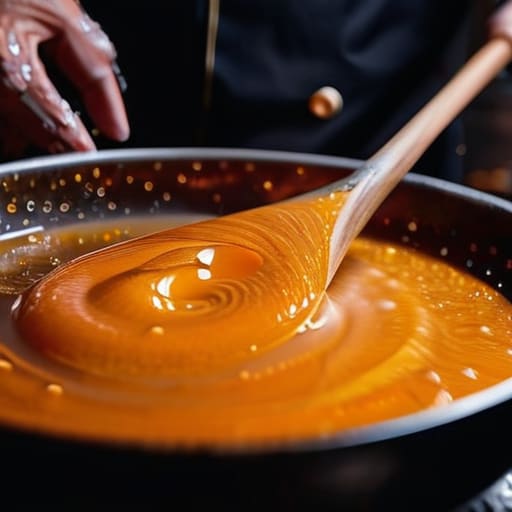
As we wrap up our culinary tour, remember that balancing a sauce is much like navigating a busy metropolitan transit system; it requires a keen eye for timing and a deep respect for how different elements interact. We’ve explored how the brightness of acid acts as the city’s much-needed streetlights, cutting through the heavy, fog-like density of fats, and how the interplay of sweet and sour creates a rhythmic tension that keeps your palate engaged. Don’t be afraid to treat your ingredients like diverse residents of a vibrant neighborhood, letting them clash slightly before finding that perfect, cohesive harmony. Whether you are leaning into the punch of a citrus zest or the mellow grounding of a sugar reduction, the goal is to ensure no single flavor dominates the skyline of your dish.
Ultimately, mastering the art of the sauce is about more than just following a recipe; it is about developing the intuition to improvise when life—or your pantry—throws you a curveball. Just as I find beauty in the unpredictable hum of a city park, I want you to find joy in the delicious unpredictability of your own kitchen experiments. Every mistake is just a new layer of complexity waiting to be understood. So, step into your culinary workspace with the confidence of a seasoned urbanite, and remember that you have the power to transform simple ingredients into a symphony of flavor that truly resonates.