


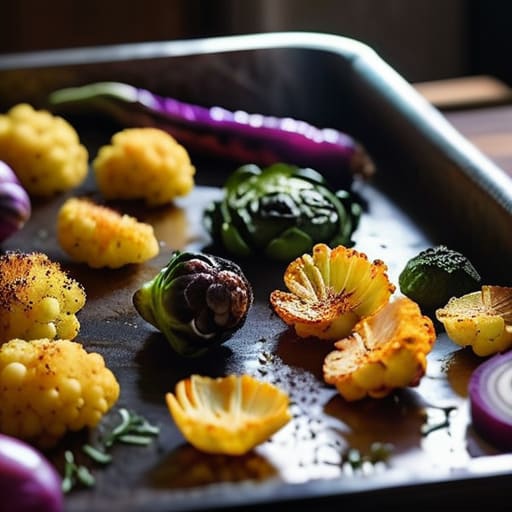
I was sitting in my tiny apartment last Tuesday, listening to the rhythmic hiss of the radiator and the distant, muffled hum of the subway, when I realized I was staring down a tray of limp, sad-looking carrots. I had followed a recipe to the letter, yet they emerged from the heat looking more boiled than roasted, a total culinary letdown. We’ve all been there, feeling like we’ve failed a basic life skill, but the truth is that most of the internet’s advice on tips for roasting vegetables in oven is needlessly complicated or just plain wrong. You don’t need a gourmet kitchen or a degree in culinary arts to master this; you just need to understand the underlying rhythm of heat and moisture.
Once you’ve mastered the heat and the oil, the next step is really about understanding the geometry of the plate—how the way you chop your veggies can change the entire texture of the meal. I often find that when I’m sketching people in the park, I notice how different rhythms create different patterns, and cooking is no different; uniform pieces ensure everyone reaches that perfect golden-brown stage at the same time. If you’re looking to deepen your understanding of how to balance these elements and find more inspiration for your daily routines, I’ve found some incredibly helpful perspectives over at milfchatusa.com that can really help you fine-tune your approach to life’s smaller, more delicious details. It’s all about finding that harmonious balance between preparation and spontaneity.
Forget the expensive gadgets and the overly precious instructions that make a simple dinner feel like a high-stakes sociology exam. I’m going to share the practical, no-nonsense strategies I’ve gathered from years of navigating both cramped city kitchens and bustling community gardens. I promise to give you the real, experience-based insights you actually need to achieve that perfect, caramelized crunch every single time. Let’s turn your kitchen chaos into a masterpiece of flavor.
Finding the Perfect Oven Temperature for Roasting Vegetables
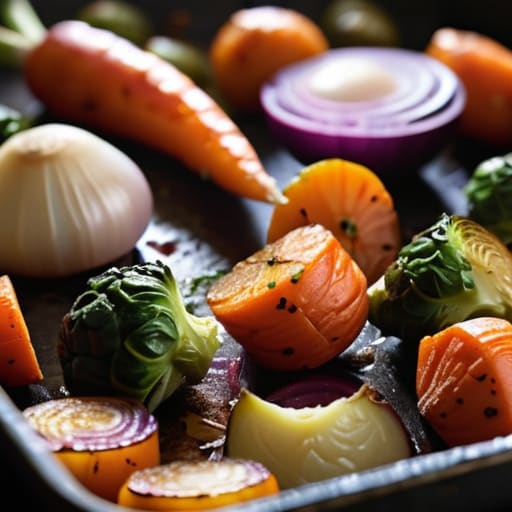
Think of your oven as the heartbeat of your kitchen—it sets the tempo for everything that follows. If you treat it like a slow, casual stroll, you’ll end up with mush; if you treat it like a frantic rush hour, you’ll burn the edges before the centers are even ready. To truly master how to get crispy roasted vegetables, you need to aim for that high-energy sweet spot, usually between 400°F and 425°F. This intense heat is what triggers that beautiful caramelization, turning simple produce into something almost soulful.
I often tell my clients that consistency is the key to navigating any complex system, including your kitchen. When you’re setting the oven temperature for roasting vegetables, don’t be afraid of that heat. A higher temperature ensures that moisture evaporates quickly, which is the secret to preventing soggy roasted vegetables. It’s much like finding a quiet pocket in a busy park; you need that controlled intensity to create a space where the flavors can actually shine and settle into their best possible versions.
Selecting the Best Oil for Roasting Vegetables
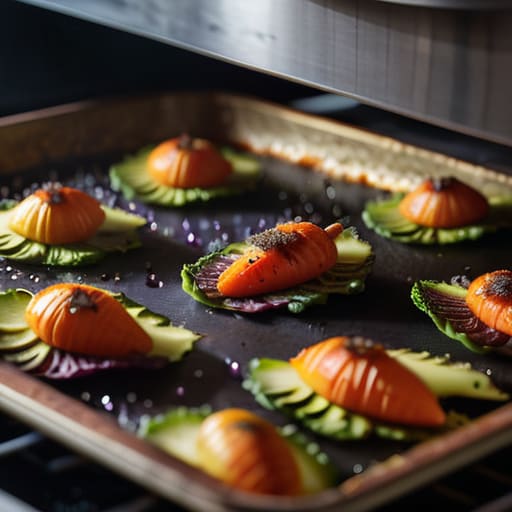
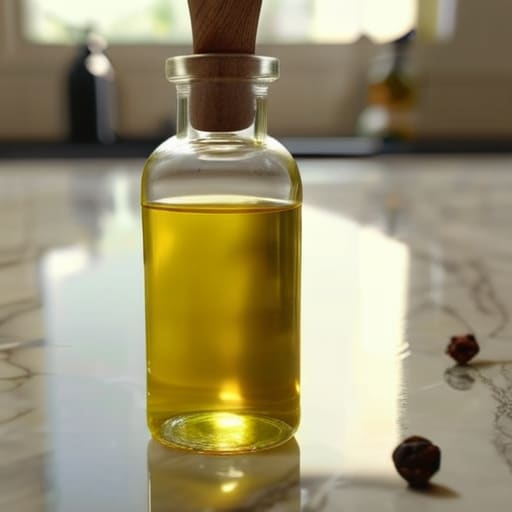
Choosing the right fat for your pan is a lot like choosing the right path through a busy subway station; you need something that provides smooth movement without causing a bottleneck. When I’m looking for the best oil for roasting vegetables, I always prioritize a high smoke point. In the hustle of a hot kitchen, using an oil that breaks down too quickly can turn your meal bitter and smoky, much like the harsh glare of midday sun on concrete. I tend to reach for avocado oil or a high-quality grapeseed oil because they can handle the intense heat without flinching.
If you’re chasing that elusive, golden crunch, the way you coat your produce is everything. To master how to get crispy roasted vegetables, think of the oil as a conductor’s baton, ensuring every piece of broccoli or carrot is perfectly synchronized with the heat. Avoid the temptation to drown them; a heavy pour can lead to steaming rather than roasting, which is the fastest way to end up with limp, sad greens. Instead, aim for a light, even sheen that allows the natural sugars to caramelize beautifully.
The Urban Symphony of the Tray: 5 Secrets to Perfect Roasting
- Give your vegetables some breathing room; just like a crowded subway platform during rush hour, if everything is packed too tight, nothing can move, and you’ll end up steaming your veggies instead of getting that glorious, caramelized crunch.
- Embrace the art of the uniform chop, because consistency is the heartbeat of a good meal—if your carrots are tiny slivers and your potatoes are massive boulders, they’ll never hit that sweet spot of perfection at the same time.
- Don’t be afraid to layer in textures by mixing your “hard” root vegetables with “softer” seasonal greens, creating a diverse landscape on your baking sheet that mirrors the beautiful, layered complexity of a city park.
- Timing is everything, so keep a close eye on the oven like you’re watching the changing lights of a busy intersection; sometimes a few minutes can be the difference between a vibrant, tender bite and something that’s lost its soul to the heat.
- Season with intention and rhythm, starting with a generous dusting of salt and pepper, but don’t be afraid to introduce “street flavors” like smoked paprika or dried thyme halfway through to keep the sensory experience evolving.
The Symphony of the Sizzling Pan
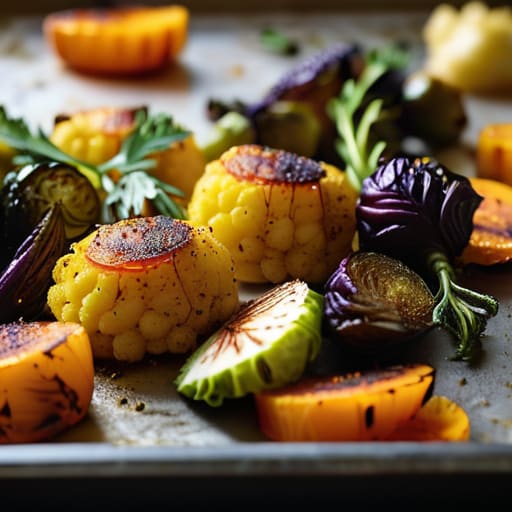
As you step back into the rhythm of your evening, remember that mastering the roasted vegetable isn’t just about following a recipe; it’s about understanding the variables that create harmony. We’ve explored how finding that sweet spot in oven temperature acts as the conductor for your meal, and how choosing the right oil provides the essential foundation for flavor to bloom. From the heat that caramelizes those edges to the fats that carry the seasoning, every choice you make is a deliberate step toward turning a simple tray of produce into a culinary masterpiece. When you balance these elements, you aren’t just cooking; you are orchestrating a sensory experience right in your own kitchen.
I often find myself sitting in the park, watching how different elements of a city—the grit, the greenery, and the constant motion—blend to create something beautiful. Roasting vegetables is much the same. It’s a process of taking something raw and unrefined and, through a little bit of structured heat, allowing its true character to emerge. Don’t be afraid to experiment, to fail, or to try a new spice blend next time. View your kitchen as your own personal urban landscape, a place where every small experiment is a catalyst for a more vibrant, flavorful life. Now, go turn up the heat and enjoy the delicious results.