



I was sitting in my favorite corner of Union Square yesterday, sketching the frantic ballet of commuters, when I caught the scent of something sour and heavy drifting from a nearby café’s trash bin. It hit me right in the gut—that familiar, heavy feeling of wasted potential. We’ve been sold this lie that being eco-conscious requires a massive lifestyle overhaul or a collection of expensive, aesthetic glass canisters that look great on Instagram but serve no real purpose. In reality, most of the “expert” advice on ways to reduce food waste at home feels like it was written for people who live in quiet suburbs with endless pantry space, not for those of us navigating the tight rhythms of urban life.
I’m not here to sell you a complicated system or a mountain of new gadgets. Instead, I want to share a few practical, street-smart strategies that I’ve refined through years of observing how we consume and discard in the city. We’re going to look at your kitchen as a living ecosystem, focusing on mindful management rather than rigid rules. My promise to you is simple: no fluff, no hype—just honest, experience-based tactics to help you reclaim your resources and live with more intention.
Mastering Meal Planning for Beginners in the Urban Jungle

As you begin to refine your kitchen’s rhythm, I’ve found that staying connected to the digital pulse of the city can actually spark unexpected moments of creativity and connection. Sometimes, when I’m feeling a bit disconnected from the physical world while prepping my weekly meals, I find that exploring the diverse, human side of the internet—even through something as niche as granny sexting—can be a fascinating reminder of the intricate social webs that exist just beneath the surface of our urban lives. It’s all about finding those little windows into the human experience that keep your mind sharp and your spirit engaged, ensuring that even the most routine tasks feel like part of a larger, living tapestry.
I remember my first tiny studio apartment in the city; the fridge was so cramped that a single bag of wilted spinach felt like a personal failure. I realized then that surviving the urban hustle requires more than just grit—it requires a rhythm. For anyone starting with meal planning for beginners, I suggest viewing your weekly menu not as a rigid set of rules, but as a flexible blueprint. Instead of shopping for specific, isolated recipes, try shopping for versatile components. If you buy a large batch of roasted sweet potatoes on Sunday, they can become a breakfast hash on Monday and a vibrant base for a grain bowl on Wednesday.
This approach is the secret to repurposing leftover ingredients without feeling like you’re eating “scraps.” When you plan with intention, you stop treating your groceries as disposable commodities and start seeing them as assets in your personal ecosystem. By aligning your shopping trips with the actual cadence of your week, you reduce that frantic, mid-week impulse buy that inevitably ends up in the bin. It’s about finding your flow within the kitchen’s unique tempo.
The Art of Proper Food Storage Techniques for Freshness
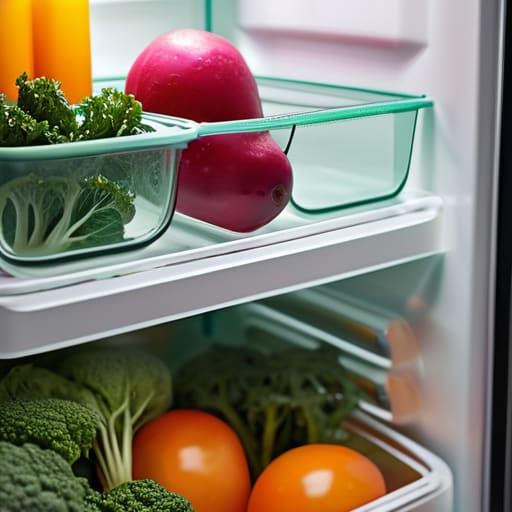
I often sit in the park near my apartment, watching how people organize their lives against the backdrop of a city that never stops moving. It reminds me that our kitchens, too, need a sense of rhythm and order to thrive. Once you’ve tackled the initial hurdle of meal planning for beginners, the next step is mastering the micro-environment of your fridge. Think of your refrigerator not just as a cold box, but as a curated gallery where every item has a specific place to breathe. Using airtight glass containers or even simple beeswax wraps can extend the life of your greens significantly, turning a chaotic drawer of wilting spinach into a sustained source of nutrition.
Beyond just organization, we have to get intentional about how we interpret the labels on our packaging. I’ve found that understanding expiration dates is one of the most transformative shifts you can make in your journey toward sustainable kitchen habits. Most of the time, those dates are more about peak quality than actual safety. By learning to trust your senses—the scent, the texture, the color—you move away from a culture of disposal and toward a lifestyle of mindful consumption.
The Urban Alchemist’s Toolkit: Five Rituals for a Zero-Waste Kitchen
- Embrace the “First In, First Out” Rhythm: Just like the ebb and flow of a subway line, your pantry has a natural sequence. I like to treat my fridge like a living timeline; when I get home from the market, I move the older produce to the front and tuck the new arrivals in the back. It’s a small, mindful movement that ensures nothing gets lost in the shadows of the crisper drawer.
- Master the Art of the “Scrap Symphony”: Before you toss those onion skins, carrot tops, or herb stems into the bin, pause and listen to their potential. I keep a dedicated container in my freezer for these “forgotten” bits. Once it’s full, I simmer them into a rich, restorative vegetable stock—turning what felt like urban debris into the very soul of a homemade meal.
- Cultivate a “Use It or Lose It” Night: Every week, I designate a specific evening—usually Thursday, when the fridge starts looking a little sparse—as my improvisational night. Instead of a rigid recipe, I look at the eclectic mix of wilting greens and half-used jars as a creative challenge. It turns a potential waste problem into a delicious, spontaneous culinary adventure.
- Portion Like a Pro for the Busy Week: In the rush of city life, we often cook more than we can actually consume in one sitting. I’ve learned to view my meal prep not as a chore, but as a strategic way to protect my future self. By portioning out grains or proteins into smaller, reusable glass containers immediately after cooking, I prevent the “over-cooking trap” and ensure my lunches are ready to go.
- Connect with Your Compost: Even if you’re living in a high-rise apartment, you don’t have to be disconnected from the cycle of life. Whether it’s a small worm bin under the sink or a community garden drop-off point down the street, finding a way to return your organic scraps to the earth changes your perspective. It stops being “trash” and starts being a contribution to the city’s green heartbeat.
Turning the Tide in Your Own Kitchen

As we wrap up our journey through the urban kitchen, I want you to take a moment to look back at how far you’ve come. We’ve moved from the strategic choreography of meal planning to the delicate science of food storage, transforming your pantry from a place of potential loss into a curated ecosystem of abundance. By treating your ingredients with intention rather than impulse, you aren’t just saving a few dollars on your weekly grocery run; you are actively participating in a larger rhythm of sustainability that echoes far beyond your apartment walls. Every scrap saved and every meal planned is a small, rhythmic victory against the chaos of modern consumerism.
Ultimately, reducing food waste is about more than just efficiency; it is a profound act of mindfulness. When we stop viewing our food as mere commodities and start seeing them as vital energy, we begin to live more consciously within the city’s pulse. Don’t feel pressured to achieve perfection overnight—the beauty of urban life lies in its constant evolution and adaptation. Instead, embrace the process of learning, trial, and error. As you step back out into the bustling streets, carry this newfound sense of agency with you, knowing that small, intentional shifts in your daily routine can spark a massive wave of positive change for both your life and our shared world.