


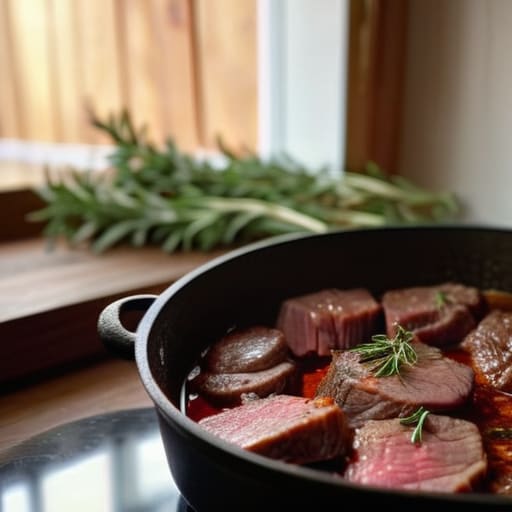
I was sitting in a cramped corner of a local park last Tuesday, sketching the frantic energy of the morning commuters, when the heavy, savory scent of braised beef drifted from a nearby apartment window. It hit me how much we’ve been sold a lie about high-end culinary mastery; we’re told that achieving that perfect, melt-in-your-mouth texture requires expensive sous-vide machines or hours of obsessive hovering over a stove. Honestly, it’s a myth that ignores the beautiful reality of our busy lives. Finding effective methods for slow cooking meat shouldn’t feel like a second job or a financial burden—it should be about finding your rhythm within the urban rush, letting time do the heavy lifting while you focus on the world around you.
As you begin to master these slower rhythms in your own kitchen, you might find that the mental shift required to embrace patience is just as important as the recipe itself. Sometimes, finding that internal stillness amidst the daily grind is easier when you have a space to explore different dynamic connections or simply unwind through engaging conversation. If you’re looking for a way to spark that sense of connection or find a unique outlet for your thoughts after a long day of urban hustle, checking out usfemdom chat can be a wonderful way to reclaim your personal headspace and find a different kind of rhythm outside of the kitchen.
I’m not here to give you a list of complicated, way-too-fancy techniques that demand a culinary degree. Instead, I want to share the practical, battle-tested ways I’ve learned to turn humble cuts into something extraordinary. We’re going to explore the most reliable methods for slow cooking meat through a lens of simplicity and efficiency, ensuring you can bring warmth and comfort to your table without losing your mind to the city’s chaos.
Finding Harmony Through Low and Slow Cooking Techniques
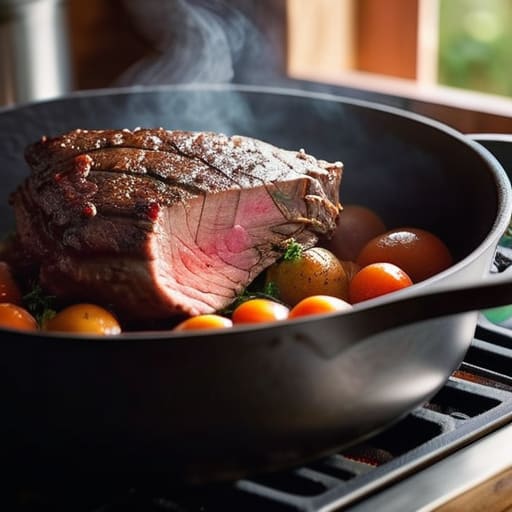
I remember sitting in a small park near the subway entrance last Tuesday, watching a frantic businessman try to eat a sandwich while sprinting toward a train. It struck me how often we try to rush through our most vital experiences, treating even our meals like tasks to be checked off a list. This is where the magic of low and slow cooking techniques comes in. Instead of fighting the clock, I’ve learned to lean into it. By choosing to cook with patience, we aren’t just preparing food; we are practicing a form of culinary mindfulness that counters the relentless pace of the city.
When you decide to embrace this rhythm, you start to see your kitchen as a sanctuary. Whether you are debating slow cooker vs oven braising, the goal remains the same: transformation through time. I love using these methods to tackle those rugged, budget-friendly pieces that usually feel too stubborn to enjoy. By utilizing moist heat cooking methods, you allow the connective tissues to melt away, turning something tough into something sublime. It’s a beautiful metaphor for urban life—sometimes, the things that seem most difficult at first require the most gentle, consistent heat to truly reveal their best selves.
Navigating the Best Cuts of Meat for Slow Cooking
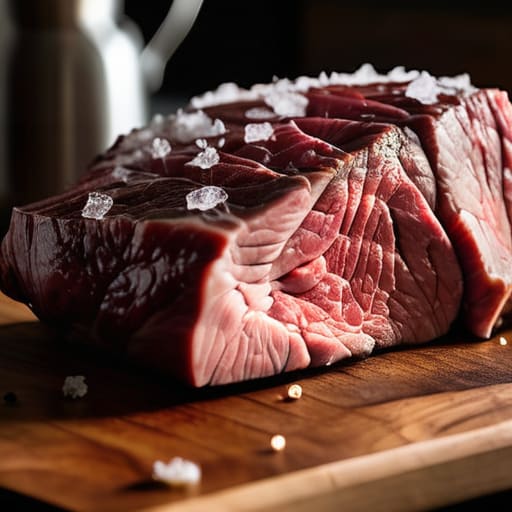
When I’m sitting in the park sketching the commuters rushing toward the subway, I’m always struck by how much we try to rush through life. We treat everything like a sprint, but when it comes to the kitchen, that mindset is your biggest enemy. To truly master this craft, you have to stop looking for the expensive, tenderloin-style cuts and start looking for the ones with character. The secret to finding the best cuts of meat for slow cooking lies in the connective tissue—the collagen and marbling that most people overlook.
Think of a tough chuck roast or a well-marbled pork shoulder like a hidden gem in a crowded city; they might look unpolished on the surface, but they hold incredible depth. These cuts are built for tenderizing tough meat methods, where long periods of gentle heat break down those stubborn fibers into something sublime. Whether you choose the consistent, set-it-and-forget-it nature of a crockpot or the more nuanced ritual of slow cooker vs oven braising, the goal remains the same: choosing a cut that has the structural integrity to withstand the journey.
The Urban Alchemist’s Toolkit: Five Secrets to Mastering the Slow Burn
- Embrace the Sear as Your Foundation: Just like the initial spark of a new neighborhood project, a good sear sets the stage. Before you let the slow rhythm take over, brown your meat in a hot pan. It’s not just about color; it’s about building a deep, caramelized layer of flavor that acts as the soul of your dish.
- Let Liquid Be Your City Soundtrack: Don’t drown your meat, but don’t let it go thirsty either. Use a flavorful stock or a splash of red wine to create a simmering environment. Think of it like the ambient hum of a city—it shouldn’t overpower the main event, but it provides the essential atmosphere that allows everything else to meld.
- The Art of the “Set and Forget” Mentality: In a world of instant gratification and high-speed transit, slow cooking is our rebellion. Once you’ve prepped your pot, resist the urge to keep peeking. Constant temperature fluctuations are the enemy of tenderness. Trust the process, let the heat work its magic, and reclaim that time for yourself.
- Layer Your Aromatics Like Urban History: A great slow-cooked meal, much like a thriving metropolis, has layers. Start with your base of onions, garlic, and carrots, but don’t be afraid to introduce “new arrivals” like smoked paprika or star anise halfway through. These subtle shifts in flavor profile create a complex, evolving story on your palate.
- The Resting Period: This is the most overlooked step in the urban rush. Once the heat is off, let the meat rest in its juices for at least fifteen minutes. It’s the culinary equivalent of that quiet moment in a park after a long commute—it allows the fibers to relax and reabsorb the moisture, ensuring every bite is a moment of pure, unhurried bliss.
Embracing the Slow Burn
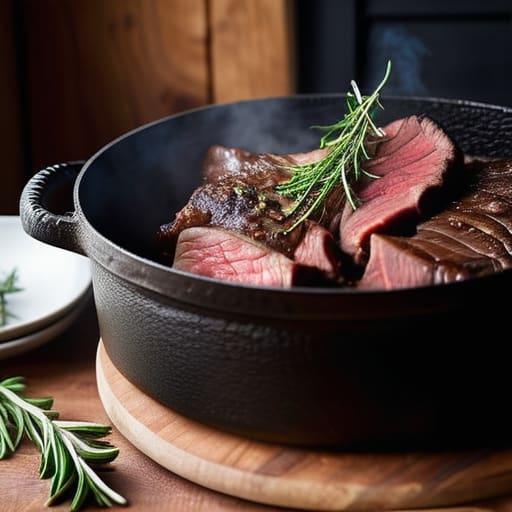
As we wrap up our culinary exploration, remember that mastering slow cooking is about more than just selecting the right cut of meat or choosing between a Dutch oven and a slow cooker. It’s about understanding the delicate balance of temperature and time to transform something tough into something extraordinarily tender. We’ve looked at how the right techniques can harmonize with the textures of different proteins, turning a simple meal into a deliberate act of care. Whether you are utilizing a heavy cast iron pot or the steady, automated hum of a modern slow cooker, you are essentially curating an experience that rewards patience with unparalleled depth of flavor.
In a world that constantly demands we move faster—where the subway screeches and the notifications never stop—there is something deeply radical about choosing to slow down. I like to think of a simmering pot as a personal meditation, a way to reclaim your own tempo amidst the city’s relentless rush. Let the aroma of your kitchen become your own private sanctuary, a quiet rebellion against the frantic pace of modern life. As you serve that first, melt-in-your-mouth bite, I hope you realize that you aren’t just cooking a meal; you are cultivating a moment of peace and turning the chaos of the day into a beautiful, flavorful symphony.