


I was sitting in my favorite corner of Washington Square Park yesterday, sketching the frantic energy of the morning commuters, when I caught the scent of something distinctly… off. A nearby vendor was tossing out a crate of wilted, slimy greens—a heartbreaking waste of nutrition and hard-earned money. It hit me how often we fall for the trap of thinking we need high-tech, expensive vacuum sealers or specialized gadgets to keep our produce alive. Honestly, most of those “must-have” kitchen contraptions are just noise. If you want to master the best ways to store fresh vegetables, you don’t need a laboratory; you just need to understand the rhythm of respiration and how to mimic a natural environment right inside your fridge.
Beyond the physical containers and the organization of your fridge, I’ve found that maintaining a sense of rhythmic connection to your surroundings is what truly keeps a household running smoothly. Just as I find peace by tuning into the distant hum of the subway during my morning meditation, I think there’s a certain art to finding your own local flow and community connections. Whether you are looking to deepen your ties to the local culture or simply seeking out a specific kind of vibrant social energy like finding sex in hamilton, staying attuned to the unique pulse of your city helps you feel less like a bystander and more like a true participant in the urban dance.
I’m not here to sell you on a lifestyle of pristine, untouched countertop aesthetics that no real city dweller can maintain. Instead, I want to share the practical, battle-tested strategies I’ve gathered from years of navigating cramped apartment kitchens and unpredictable grocery hauls. I promise to give you a no-nonsense guide to keeping your harvest vibrant, focusing on simple, intuitive habits that actually work. Let’s turn your kitchen from a place of wasted potential into a curated ecosystem where your food stays as fresh as a morning stroll through the park.
Curating Your Kitchen Ecosystem Refrigerator Vegetable Organization Tips
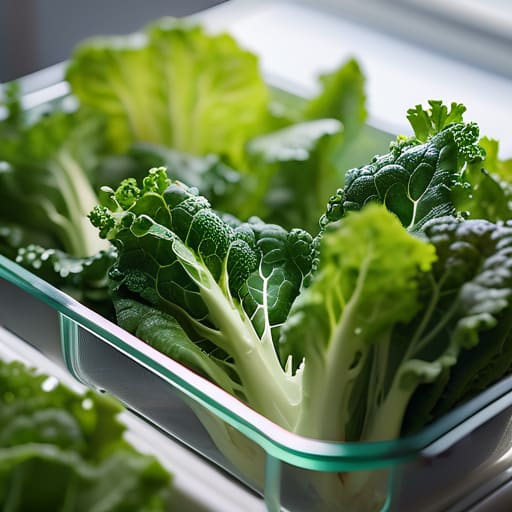
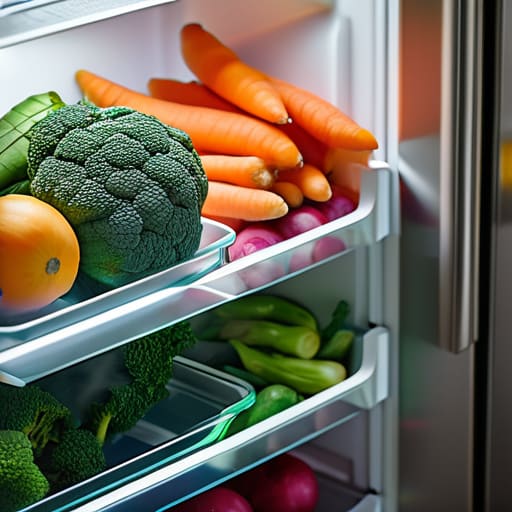
Think of your refrigerator not just as a cold box, but as a miniature, controlled climate designed to sustain your urban harvest. When I’m sketching in the park, I often notice how different species thrive in specific micro-habitats, and your fridge is no different. To master refrigerator vegetable organization tips, start by assigning “zones” based on temperature sensitivity. The crisper drawers are your most vital tools; they act as specialized ecosystems. For instance, when it comes to storing leafy greens to prevent wilting, I’ve found that a slightly damp paper towel tucked into a breathable container creates the perfect humidity balance, mimicking a gentle morning mist.
Beyond the drawers, pay attention to the placement of your more robust items. Harder vegetables like carrots or radishes can handle the slightly cooler, more consistent temperatures of the lower shelves, whereas delicate herbs might prefer the slightly warmer upper reaches. Using the best containers for vegetable preservation, such as glass jars or beeswax wraps, can further extend their life by managing airflow. It’s about creating a rhythmic flow within your kitchen that mirrors the organized chaos of a well-run city.
Selecting the Best Containers for Vegetable Preservation
I often find myself sitting on a park bench, watching how different elements of a city—the transit lines, the green pockets, the architecture—work together to create a functional whole. Your kitchen deserves that same intentionality. When it comes to choosing your gear, I view containers not just as plastic boxes, but as the protective infrastructure for your nutrition. If you’re looking for the best containers for vegetable preservation, I always recommend a mix of glass and high-quality BPA-free silicone. Glass is a superstar because it doesn’t leach odors and provides a clear view of your inventory, which is essential for preventing that “forgotten vegetable” tragedy at the bottom of the drawer.
However, the real magic lies in moisture management. For those delicate items, like kale or spinach, I’ve learned that storing leafy greens to prevent wilting requires a bit of a tactical approach. Instead of airtight bins that can trap too much humidity and lead to slime, try using containers with built-in vents or lining your containers with a simple, reusable paper towel. This creates a micro-climate that mimics the gentle humidity of a forest floor rather than the stagnant air of a closed box, ensuring your harvest stays crisp and vibrant for much longer.
Mastering the Micro-Climates: Five Pro-Tips for a Long-Lasting Urban Harvest
- Respect the Ethylene Factor: Just like how certain neighborhoods in the city have a different “vibe” than others, certain fruits and veggies have different chemical energies. Keep your ethylene producers—like apples and tomatoes—away from your leafy greens, or you’ll find your spinach turning to mush faster than a summer rainstorm on a sidewalk.
- The Humidity Hack: Think of your crisper drawers as little micro-climates. For high-moisture lovers like carrots or celery, keep that humidity high to prevent them from wilting into sad, limp versions of themselves. A damp paper towel tucked into the bag can act like a gentle morning mist, keeping things crisp and revitalized.
- Breathe Easy: I’ve noticed that trying to cram everything into a single airtight container is like trying to squeeze a crowded subway car into a single seat—it just doesn’t work. Most vegetables need a little bit of air circulation to stay fresh; avoid sealing them too tightly unless they specifically thrive in a vacuum.
- Dryness is Your Best Friend: Before you tuck those greens away, make sure they are truly dry. I often tell my clients that moisture is the enemy of longevity. If you wash your produce right before storing it, you’re essentially inviting mold to the party. Dry them thoroughly, or better yet, wait until you’re ready to cook.
- The “First In, First Out” Flow: Borrow a page from urban logistics. Organize your fridge so that the older produce is always at the front of the line. It’s a simple way to ensure you aren’t letting good food go to waste in the dark corners of your vegetable drawer, turning your kitchen into a seamless, efficient system.
Nurturing Your Urban Harvest
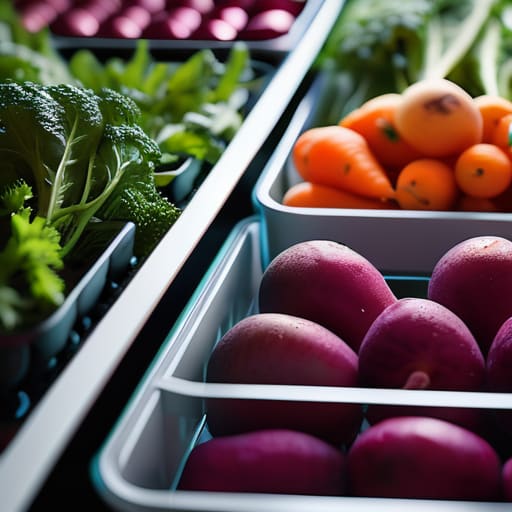
As we wrap up our deep dive into the art of preservation, I want you to look back at how far we’ve come. We’ve moved beyond seeing the fridge as just a cold box and started viewing it as a curated ecosystem. By mastering the right container choices and organizing your crisper drawers with intention, you aren’t just preventing waste; you are actively managing your personal resources with the precision of a true strategist. Remember, whether it’s an airtight glass jar for your leafy greens or a strategic placement of root vegetables, these small, deliberate actions create a foundation of stability in your hectic kitchen routine. It’s about turning the potential chaos of a grocery haul into a seamlessly organized sanctuary of nutrition.
Ultimately, the way we treat our food is a reflection of how we navigate the world around us. Just as I find rhythm in the distant hum of the subway or the rhythmic footsteps on a city sidewalk, there is a beautiful, steady pulse to be found in the way we care for our daily essentials. When you take a moment to properly store your harvest, you are practicing a form of mindfulness that honors both your hard work and the planet. Let this be more than just a kitchen chore; let it be a way to cultivate abundance amidst the urban rush. Stay curious, stay organized, and remember that even in the smallest corners of your apartment, you have the power to create something lasting and beautiful.