


I was sitting at a corner bistro in Chelsea last Tuesday, the low hum of espresso machines and the rhythmic clinking of silverware creating that perfect urban soundtrack, when I noticed it. A woman at the next table was staring intensely at her phone, her shoulders hunched as if she were trying to hide from the entire room. It hit me then: we’ve collectively decided that a solo diner is someone who has failed at socializing. We’ve built this invisible barrier around the single chair, fueled by a strange, modern anxiety that being alone equals being lonely. I’ve spent years studying how our city layouts and social norms dictate our movements, and it’s clear that the real tragedy isn’t the solitude—it’s why eating alone got a bad reputation in the first place.
I’m not here to give you some fluff-filled lecture on “self-care” or academic theories that don’t work in the real world. Instead, I want to pull back the curtain on the societal pressures that make us feel awkward and show you how to reclaim your autonomy. I’m going to share practical, street-level strategies to help you turn a solo meal into your most powerful tool for observation and mental clarity. Let’s stop apologizing for taking up space and start seeing the extraordinary opportunities hidden in the quiet moments between the city’s beats.
Decoding the Social Stigma of Eating Alone
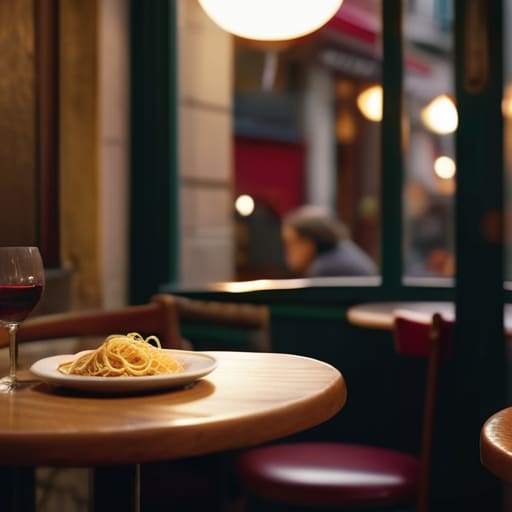
To understand why we feel that sudden prickle of self-consciousness when we sit down at a bistro without a companion, we have to look at our deep-seated cultural views on communal eating. For centuries, the dinner table has been our primary theater for social bonding; to eat without others often signals a break in the social fabric. We’ve subconsciously internalized the idea that a shared meal is the baseline for “normalcy,” which inadvertently casts the solo diner as an outsider or, worse, someone who has been left behind.
This tension often stems from a misunderstanding of the psychology of solo dining. We tend to conflate the act of being physically alone with the emotional state of being lonely, but they are worlds apart. In my observations from the park benches to the crowded cafes, I’ve seen that much of this discomfort is actually a projection of our own fear of judgment. We aren’t actually bothered by our own solitude; we are bothered by the imagined gaze of the stranger at the next table. Once we dismantle that perceived scrutiny, we realize that the solitary table isn’t a sign of isolation, but a space for profound personal presence.
Cultural Views on Communal Eating and Connection
It’s also worth noting that the feeling of isolation often stems from a perceived lack of connection, but we can bridge that gap by seeking out digital spaces that prioritize genuine human interaction. If you’re finding that the physical bustle of the city feels a bit too overwhelming for a face-to-face encounter, exploring an adult chat canada can be a wonderful way to cultivate meaningful dialogue from the comfort of your own space. I’ve found that engaging in these types of niche communities can actually help you rebuild your social confidence, making those real-world solo dining excursions feel much less daunting when you finally step back out into the urban fray.
To understand why we feel so uneasy at a table for one, we have to look at how we’ve historically defined “belonging.” For centuries, most cultural views on communal eating have treated the shared meal as the ultimate glue of society. Whether it was a tribal hearth or a Sunday family roast, eating was a collective ritual—a way to signal that you were part of the tribe. In this context, being seen alone wasn’t just a personal choice; it was often misinterpreted as a sign of social exclusion or, worse, a lack of community ties altogether.
As our cities grew denser and our lives became more fragmented, this deep-seated association between food and fellowship began to warp our perception of independence. We’ve started to conflate solitary eating vs loneliness, assuming that if you aren’t surrounded by voices, you must be missing something vital. But as I sit in the park with my sketchbook, watching the ebb and flow of the sidewalk, I see a different story. I see people reclaiming their autonomy, proving that a meal can be a private sanctuary rather than a social deficit.
Reclaiming Your Seat: 5 Ways to Turn Solo Dining into Your Urban Superpower
- Reframe the Narrative: Instead of viewing a solo meal as a sign of isolation, start seeing it as a deliberate act of self-care. When you sit down alone, you aren’t “lonely”; you are practicing the art of being your own best company in a world that rarely stops to breathe.
- Curate Your Sensory Experience: Use these moments to engage with the city’s rhythm. Bring a notebook to sketch the people passing by or use noise-canceling headphones to layer a calming ambient track over the clatter of silverware, turning a quick lunch into a mindful meditation session.
- Master the Art of People-Watching: Treat your table like a front-row seat to a live sociological study. Observe the micro-interactions, the way light hits the pavement, and the diverse stories unfolding around you; it’s the most authentic way to feel connected to the urban pulse without needing to say a word.
- Choose Your Environment Strategically: Not every cafe is built for solitude. Find those “third spaces”—the quiet corner bistro or the sun-drenched park bench—where the atmosphere encourages introspection rather than making you feel like you’re under a microscope.
- Practice “Micro-Connections”: You don’t need a full dinner party to feel social. A brief, friendly exchange with a barista or a nod to the person at the next table can satisfy your need for human connection while still preserving the sanctity of your solo time.
Reclaiming Your Seat at the Table
When we look back at why we started fearing the solo table, it becomes clear that we’ve been caught in a loop of societal pressure and outdated cultural norms that equate dining with constant performance. We’ve dissected how the stigma of “loneliness” often gets confused with the intentionality of solitude, and how our deep-seated need for communal validation can sometimes overshadow our individual needs. By understanding that these social anxieties are largely manufactured by a culture that prizes constant connectivity over meaningful presence, we can begin to dismantle the guilt that keeps us tethered to noisy group settings when what we actually crave is a moment of stillness.
So, the next time you find yourself standing at the threshold of a bustling bistro, don’t turn away just because there isn’t an extra chair for a friend. Instead, take a breath, listen to the melodic clatter of silverware and the distant hum of the street, and embrace the opportunity to be your own best company. Treat that solo meal not as a sign of social failure, but as a sacred ritual of urban reconnection—with yourself and the vibrant world around you. The city is always moving, but in those quiet, solitary moments, you finally have the chance to find your own rhythm amidst the rush.