


I remember the first time someone tried to explain a “digital twin” to me. It was during a tech conference, one of those stuffy affairs where everyone pretends to know more than they do. The presenter, armed with a PowerPoint and an air of self-importance, likened it to having a virtual doppelgänger. My mind immediately flashed to that haunted office printer that breaks down more often than it prints. So, now we’re cloning our problems into the digital realm? Great. But as I dug deeper, I realized there might be substance behind the buzzword. Turns out, digital twins aren’t just about duplicating our headaches—they’re about predicting and preventing them.

Let’s cut through the jargon and get to the meat of it. This article will strip back the layers and give you a bare-bones explanation of digital twins. We’ll dive into real-world examples—think manufacturing and healthcare—where this tech is actually making waves. And yeah, we’ll peek into the future to see how it might shake up our everyday lives. No fluff, no nonsense, just the gritty reality of why companies are all hyped up about this concept. Buckle up; it’s going to be a straight talk on what digital twins really bring to the table.
Table of Contents
First Creative Heading About what is a “digital twin” and why are companies excited about it?
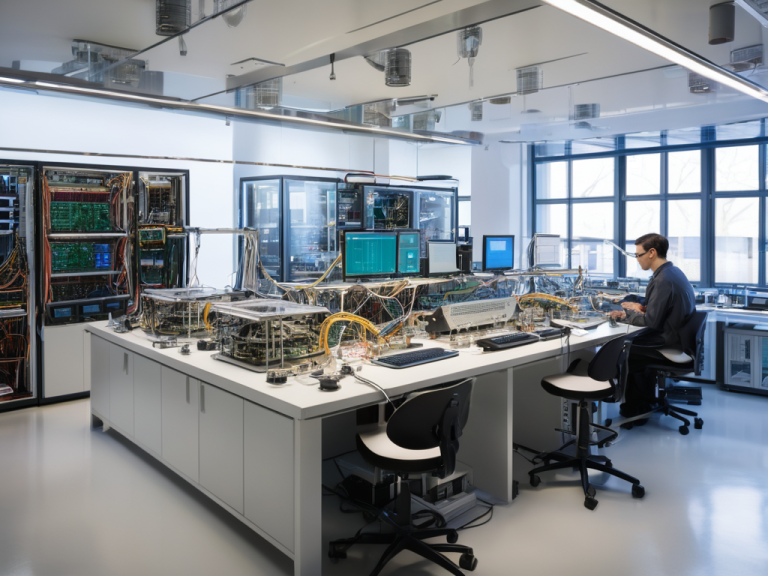
Digital twins: the tech term that sounds like it belongs in a sci-fi movie but is actually rooted in the nuts and bolts of our daily grind. Picture this: a virtual replica of a physical entity, whether it’s a machine, a system, or even an entire city. This isn’t some futuristic gimmick—it’s a pragmatic tool that’s shaking up industries from manufacturing to healthcare. Imagine a digital clone of your crumbling office printer that promises to break down just as often—welcome to the world of digital twins. They allow businesses to simulate, analyze, and tweak their operations in a risk-free digital space before making costly real-world changes. It’s like having a crystal ball that helps companies foresee problems, optimize performance, and save a pretty penny.
Companies are drooling over digital twins not just because they sound cool in board meetings, but because they promise tangible results. In manufacturing, these virtual models can predict when machines will fail, reducing downtime and maintenance costs. You can think of it as having a psychic mechanic who knows your car’s every hiccup before it happens. Meanwhile, in healthcare, digital twins can simulate patient-specific treatments, potentially revolutionizing personalized medicine. Imagine a doctor testing out various treatments on your digital twin before prescribing the perfect solution for you.
The future potential is what makes digital twins a hot topic. As the Internet of Things (IoT) continues to expand and data becomes king, the accuracy and utility of digital twins will only increase. For consumers, this means products that work better, last longer, and are tailored to our individual quirks and needs. So, while the term might sound like yet another tech buzzword, digital twins are set to leave a lasting mark on how we interact with the world around us.
The Mirror Image of Innovation
Picture this: a digital copy of your factory floor that predicts hiccups before they happen. That’s the magic of digital twins. From manufacturing to healthcare, they’re not just buzzwords—they’re the future’s blueprint. Companies are buzzing because, for once, the tech hype might actually hold water.
Digital Twins: The Future That’s Already Here
Diving into the world of digital twins has been like peeling back the layers on a tech onion—each layer revealing more depth than the last. The concept itself isn’t new, but the potential it holds? That’s a different story. We’re not just talking about a digital replica of your car or that coffee machine you can’t live without. We’re talking about a revolution in manufacturing and healthcare that’s happening right under our noses. Imagine a world where production lines are fine-tuned to near perfection and patient treatments are personalized down to the molecule. That’s not sci-fi; that’s digital twins in action.
And as these digital doppelgängers become more mainstream, the consumer in me can’t help but wonder how this tech will touch our everyday lives. Will it mean more reliable gadgets, or a healthcare system that finally feels personalized? The truth is, we’re on the brink of something big. Sure, the buzzword fatigue is real. But the potential for digital twins to reshape industries—and maybe even our daily lives—isn’t just hype. It’s a reality that’s slowly but surely unfolding. And I, for one, am here to witness it.