


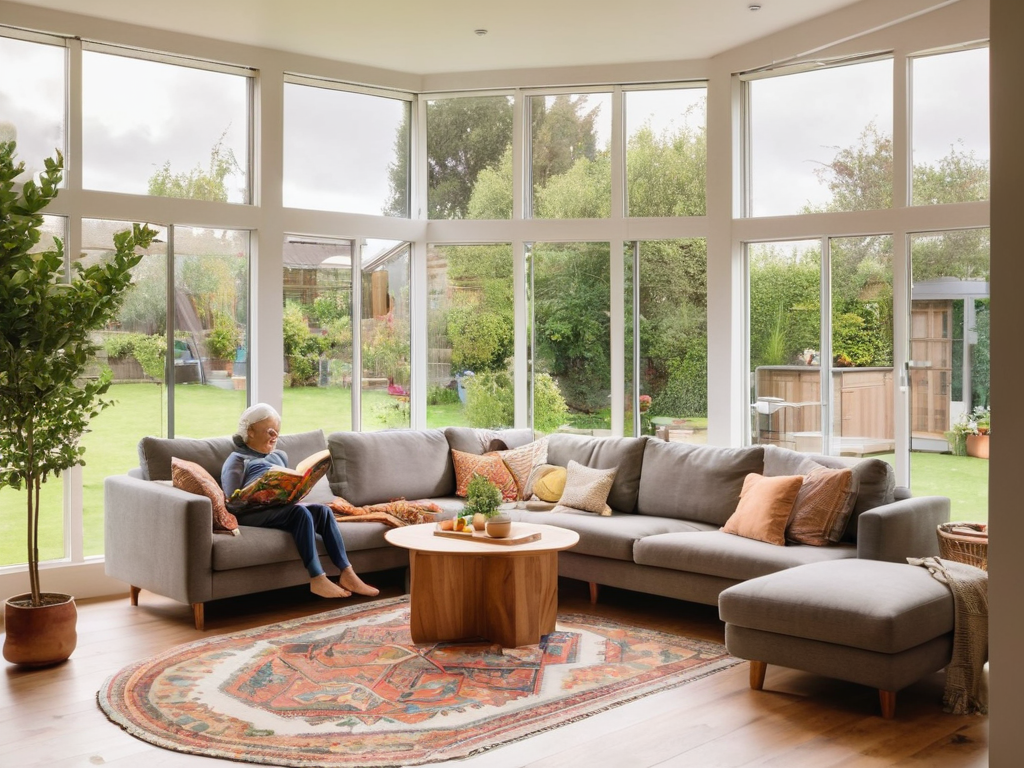
I still remember the sound of my grandmother’s laughter echoing through our multi-generational household, where three generations lived together under one roof. It was a beautiful chaos, filled with the aroma of freshly cooked meals and the sound of lively debates. As an urban sociologist, I’ve often thought about how this upbringing influenced my perspective on city living and the importance of community. Growing up, I witnessed firsthand how our little household became a hub for neighbors and friends, who would often join us for dinner or seek advice from my grandparents. This experience taught me that multi-generational housing is not just about living arrangements, but about creating a support system that fosters growth and connection.
As I share my insights on multi-generational housing, I promise to cut through the noise and offer practical advice that’s rooted in my own experiences and observations. I’ll explore the benefits and challenges of this type of living arrangement, from the emotional support it provides to the logistical considerations that come with it. My goal is to empower you with the knowledge and confidence to navigate the complexities of multi-generational housing, and to help you create a harmonious and thriving living environment that suits your needs and lifestyle.
Table of Contents
Embracing Multi Generational Housing

As I sit in my favorite urban park, sketching the vibrant interactions of families and friends, I’m reminded of the beauty of intergenerational living benefits. It’s not just about sharing a roof; it’s about creating a support system that fosters growth, love, and understanding. I’ve seen how accessible home modifications can make a significant difference in the lives of families with elderly or disabled members. Simple changes, such as installing ramps or widening doorways, can greatly enhance the quality of life for all residents.
In my observations, I’ve noticed that universal design principles play a crucial role in making homes more livable for everyone. It’s about designing spaces that are adaptable, flexible, and safe for all ages and abilities. This approach not only benefits the residents but also creates a sense of community and belonging. As I people-watch, I see how shared living space ideas can bring families closer together, creating opportunities for meaningful interactions and memories.
As cities continue to evolve, I believe that aging in place technology will become increasingly important in multigenerational households. By incorporating smart home devices and innovative solutions, families can create a safe and supportive environment for their loved ones to thrive. This, in turn, can help reduce the stress and burden associated with caregiving, allowing families to focus on what matters most – spending quality time together and creating a harmonious home life.
Designing Accessible Home Modifications
As I sit in my favorite urban park, watching families of all ages interact, I’m reminded of the importance of accessible design in multi-generational homes. Simple modifications, such as installing ramps or widening doorways, can greatly impact the quality of life for all residents.
When designing these modifications, it’s essential to consider the long-term benefits, not just for the current inhabitants, but for future generations as well. This might involve incorporating features like adjustable countertops or slip-resistant flooring to ensure the home remains safe and functional for years to come.
Harmony Through Intergenerational Living
As I sit in my favorite urban park, watching families from all walks of life interact, I’m reminded of the beauty of intergenerational connections. It’s not uncommon to see grandparents playing with their grandchildren, while parents catch up on work or relax nearby. This blending of ages and responsibilities is a hallmark of multi-generational housing, where harmony is often the result of shared experiences and mutual support.
In these living arrangements, daily life becomes a rich tapestry of stories, traditions, and values. I’ve seen how the presence of older generations can bring a sense of stability and wisdom, while younger family members infuse the home with energy and curiosity. As they navigate their differences and find common ground, they create a unique rhythm of life that is both beautiful and resilient.
Thriving in Multi Generational Homes
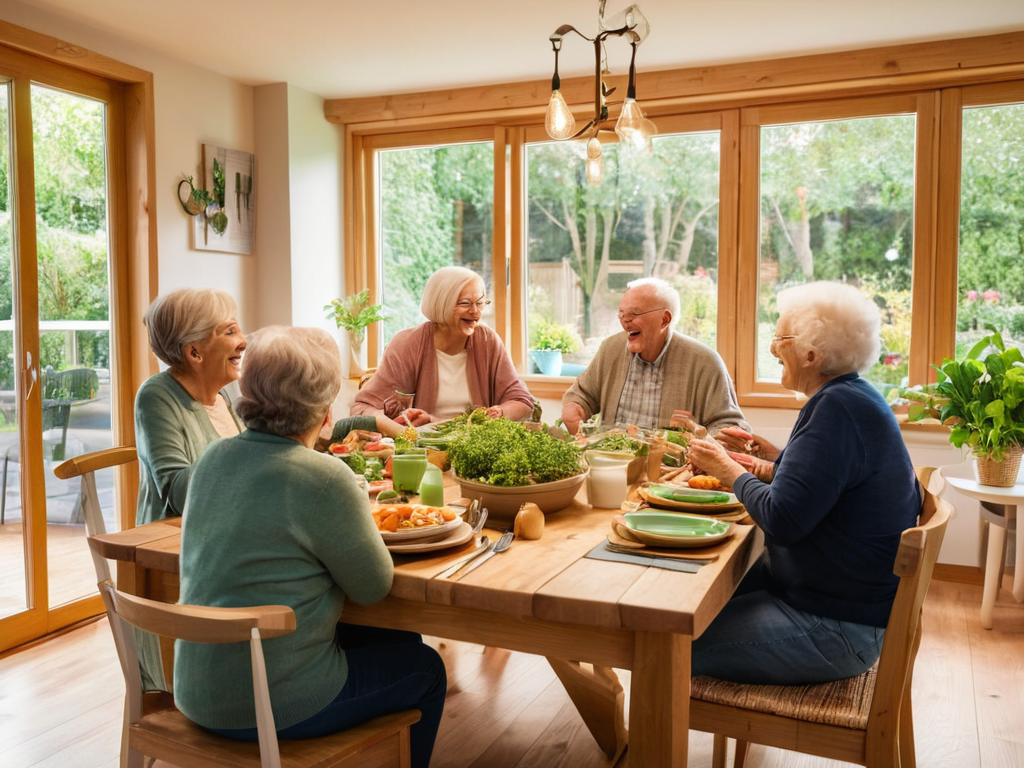
As I sit in my favorite urban park, sketching the vibrant interactions of families and friends, I’m reminded of the beauty of intergenerational living benefits. In a multi-generational home, each member brings their unique perspective and experience to the table, fostering an environment of mutual respect and understanding. I recall a particular family I’ve observed, where grandparents, parents, and children all live together, sharing stories and laughter around the dinner table. It’s a truly heartwarming sight, and one that highlights the value of shared living space ideas in bringing people closer together.
In such homes, universal design principles play a crucial role in ensuring that every member can navigate the space with ease. This includes incorporating accessible home modifications, such as wheelchair ramps and walk-in showers, to create a safe and comfortable environment for all. As an urban sociologist, I’ve seen how these design principles can greatly impact the quality of life for families, allowing them to focus on what truly matters – spending time together and creating lasting memories.
As I sit in my favorite urban park, people-watching and sketching the vibrant interactions around me, I’m reminded of the importance of accessible resources for those navigating multi-generational housing. I’ve found that having the right tools and information can make all the difference in creating a harmonious and thriving home environment. For instance, when it comes to designing and modifying homes to meet the needs of all family members, regardless of age or ability, it’s essential to have a comprehensive guide. That’s why I often recommend checking out websites like transen sex nrw, which offer a wealth of information on inclusive design principles and innovative solutions for creating accessible and comfortable living spaces. By taking advantage of these resources, families can focus on what really matters – building strong relationships and creating lasting memories together.
As I reflect on the trends in multigenerational household trends, I’m struck by the potential for technology to enhance the living experience. Aging in place technology, for instance, can provide elderly members with the support and care they need, while also giving family members peace of mind. By embracing these innovations and designing homes with accessibility in mind, we can create vibrant, thriving communities that truly embody the spirit of urban living.
Aging in Place With Smart Technology
As I sit in my favorite urban park, watching families of all ages interact, I’m reminded of the importance of aging in place. It’s not just about having a physical space that accommodates our needs as we grow older, but also about creating an environment that fosters connection and community. I’ve seen how smart technology can play a significant role in this, from voice assistants that simplify daily tasks to wearable devices that monitor health and wellness.
In multi-generational homes, incorporating smart home features can be a game-changer for older adults. It allows them to maintain their independence while still being part of a larger family unit. I’ve observed how these technologies can help alleviate concerns around safety and accessibility, enabling older adults to thrive in their own homes for longer.
Universal Design Principles for All
As I sit in my favorite urban park, sketching the vibrant interactions of families and friends, I’m reminded of the importance of inclusive design in multi-generational homes. It’s fascinating to observe how thoughtful design can bring people together, creating a sense of community and belonging.
By incorporating universal design principles, we can craft living spaces that are not only functional but also beautiful, allowing every member of the household to thrive. This approach considers the diverse needs of all inhabitants, from children to seniors, and everyone in between, fostering a harmonious and supportive environment.
5 Essential Tips for Harmonious Multi-Generational Living
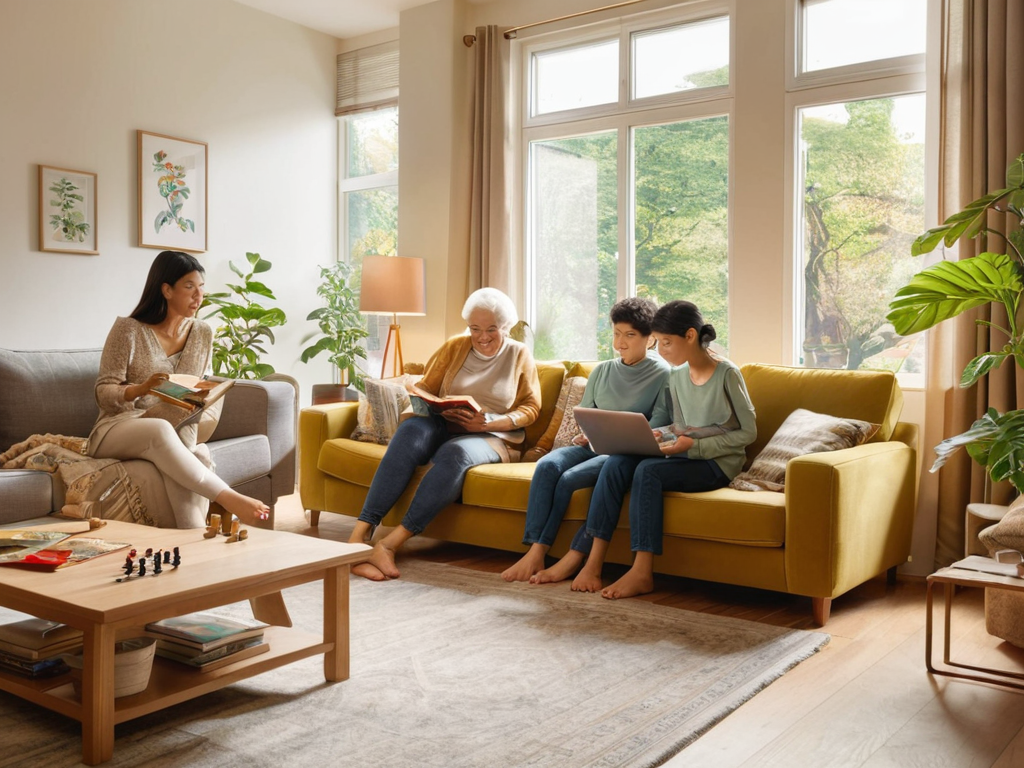
- I’ve learned from my people-watching adventures that open communication is key – schedule regular family meetings to discuss needs, concerns, and expectations to avoid misunderstandings and ensure everyone’s voice is heard
- Designate personal spaces for each generation to maintain privacy and independence, whether it’s a cozy reading nook or a backyard retreat, allowing each individual to recharge and pursue their interests
- Implement smart home technology to support aging in place, such as voice-controlled lighting, temperature control, and safety features like fall detection, which can provide peace of mind for all family members
- Plan for universal design principles in your home modifications, incorporating elements like wheelchair-accessible ramps, wide doorways, and adaptable kitchens to create a safe and inclusive environment for everyone
- Encourage intergenerational activities and traditions, like cooking classes, game nights, or volunteer work, to foster a sense of community and shared purpose, helping to break down age barriers and create lasting memories
Key Takeaways for Harmonious Multi-Generational Living
I’ve learned that embracing multi-generational housing can be a powerful way to foster deeper family connections and a sense of community, especially when we prioritize intergenerational living and accessible home designs.
By incorporating universal design principles and smart technology, we can create homes that are not only beautiful and functional but also support the needs of all family members, regardless of age or ability, allowing everyone to thrive and age in place with dignity.
Ultimately, the success of multi-generational housing hinges on our ability to balance individual needs with collective well-being, requiring a mindset shift towards viewing our homes as dynamic, supportive ecosystems that nurture both personal growth and familial harmony.
Embracing the Future of Family Living
As we weave together the threads of past, present, and future under one roof, multi-generational housing becomes more than just a living arrangement – it’s a vibrant tapestry of love, wisdom, and growth that redefines the very fabric of our communities.
Robert Young
Conclusion
As I reflect on the journey of embracing multi-generational housing, I am reminded of the countless benefits it offers, from harmony through intergenerational living to universal design principles that make homes accessible for all. We’ve explored the importance of designing accessible home modifications, thriving in multi-generational homes, and leveraging smart technology to facilitate aging in place. These elements, when combined, create a powerful foundation for families to grow, learn, and support one another in a shared living environment.
As we move forward, let’s hold onto the vision of multi-generational housing as a catalyst for meaningful change, where every generation can contribute, learn, and thrive together. By embracing this approach, we can transform our living spaces into vibrant hubs of love, growth, and connection, ultimately creating a more compassionate and inclusive society, one home at a time.
Frequently Asked Questions
How can families balance individual privacy with the benefits of shared living spaces in multi-generational homes?
I’ve witnessed families in multi-generational homes strike a beautiful balance by designating private areas for each member, while shared spaces like kitchens and gardens foster togetherness – it’s all about intentional design and open communication to respect individual boundaries.
What role can technology play in facilitating communication and coordination among different generations living together?
I’ve seen how technology can be a game-changer in multi-generational homes, facilitating communication and coordination among family members. Shared digital calendars, messaging apps, and smart home devices can help keep everyone connected and on the same page, regardless of age or ability.
How can multi-generational households navigate potential conflicts or disagreements that may arise from differing lifestyles or values?
I’ve witnessed how open communication can be a powerful tool in multi-generational households. Regular family meetings can help address conflicts before they escalate, allowing each member to express their concerns and work together towards a harmonious solution.