



Buying a new TV should be simple, right? Yet somehow, every time I venture into that abyss, I end up feeling like a character in a bad sitcom, arguing with a clueless salesperson who insists that 8K is a life necessity. But let’s be real—if you’re anything like me, you just want to watch a movie without needing a PhD in tech jargon. You don’t care about the buzzwords, the flashy pitches, or the endless sea of acronyms that sound like a secret language only techies speak fluently. You just want a TV that doesn’t turn your living room into a pixelated mess.
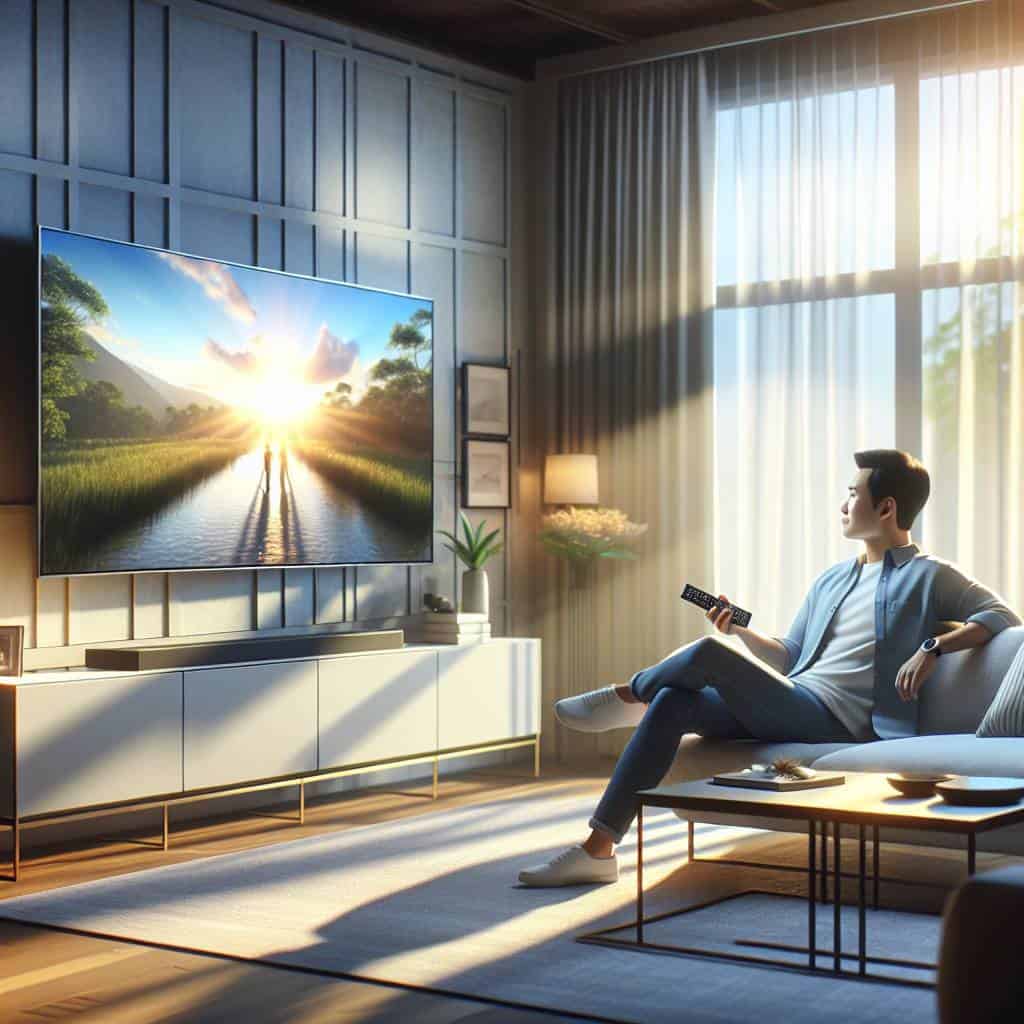
Let’s cut through the nonsense. In this article, I’m breaking down the essentials—no fluff, no filler. We’ll navigate the minefield of 4K vs. 8K, and I’ll tell you why HDR isn’t just another pointless upgrade. I’ll demystify OLED, QLED, and LED, and explain why refresh rates matter (and when they don’t). We’ll touch on smart features, but only the ones you’ll actually use. You’re here for clarity, not confusion, and by the end of this, you’ll know exactly what to look for in your next TV. Buckle up—it’s time to get real.
Table of Contents
Falling Down the 4K vs. 8K Rabbit Hole: A Tale of Two Resolutions
So, you’re teetering on the edge of the 4K vs. 8K abyss, huh? It’s a classic tech dilemma, like choosing between two equally tempting slices of cake, except this time, you really want to avoid the bitter aftertaste of buyer’s remorse. Let’s start with the basics. 4K, or Ultra High Definition (UHD), is the resolution sweet spot for most folks right now—offering four times the pixels of 1080p. It’s ubiquitous, almost like the air we breathe in the tech world. Then there’s 8K, the new kid on the block, flaunting a ridiculous pixel count that makes even the most mundane scene look like a masterpiece. But here’s the kicker: most content isn’t even shot in 8K yet. You’ll be paying a premium for pixels you can’t fully appreciate, unless you’re planning on sitting nose-to-screen with a colossal setup.
But hold up. Resolution isn’t the only game in town. Enter OLED, QLED, and LED. OLED offers perfect blacks and stunning contrast, making it the darling of cinephiles. Meanwhile, QLED—Samsung’s brainchild—amps up the brightness and color volume, making it a great contender for well-lit rooms. Ordinary LED, while the budget-friendly option, can’t quite compete in the color accuracy or black depth arena. And let’s not forget HDR, which is like putting your TV on steroids. It enhances the dynamic range, making highlights brighter and shadows darker—ideal for when you want to actually see what’s happening in that moody, dimly-lit scene.
And then there’s refresh rate, measured in hertz (Hz), which dictates how smoothly motion is displayed. Higher refresh rates, like 120Hz, are perfect for sports aficionados or gamers who crave fluid action. But don’t get swept away by the numbers alone. You need to consider how these elements play together. The smartest features in the world won’t save you if the basics are lacking. So, before you dive headfirst into the resolution rabbit hole, remember: a TV is more than just its pixel count. It’s about how those pixels come together to create an experience that you’ll actually enjoy watching. Choose wisely, my friend.
Decoding the TV Tech Maze
Choosing between 4K and 8K, OLED and QLED, is like deciding if you want a Ferrari or a Tesla in your living room. It’s about knowing what drives your viewing pleasure—crisp detail or vibrant color? HDR isn’t just a feature; it’s the difference between seeing a sunset and feeling it. And if your refresh rate doesn’t match your pace, you’re stuck in the slow lane of modern entertainment.
The Final Verdict: Cutting Through the TV Tech Jungle
I’ll admit, navigating the labyrinth of TV jargon—4K, 8K, OLED, QLED, LED—felt like deciphering a code only tech wizards could crack. But reality check: it’s all noise until you filter out what’s relevant. HDR matters if you want your colors to pop like they do in the showroom. Refresh rate? Just a fancy way of saying, ‘Hey, notice how smooth that motion is?’ And those smart features are basically your TV’s way of saying, ‘Look Ma, no hands!’ Ultimately, it boils down to your viewing habits and whether you want your living room to feel like a cinema or a cozy nook.
In the end, I learned that choosing a new TV isn’t about chasing the latest specs just because they’re there. It’s about aligning tech with your actual needs, not some marketing spiel. Forget the buzzwords for a second and ask yourself: Do you really need 8K resolution for your cat videos, or is it just a nice-to-have? I’m all for tech evolution, but let’s keep it real. Make informed decisions, and don’t get blindsided by the shiny allure of the latest and greatest. Because at the end of the day, the best TV is the one that fits comfortably into your life, not the one that turns your living room into a sci-fi set.