

I’ve spent more nights wrestling with insomnia than I’d care to admit, staring at the ceiling like it’s about to spill life’s secrets. Spoiler: it never does. Desperate times led me to the world of sleep tech—gadgets that promise to tuck you in with the precision of a Swiss watch. But let’s get real. The idea of trusting a machine to tell me how to sleep better than my own overactive brain? It’s both laughable and strangely appealing. We’re talking about a journey from skepticism to grudging respect for tiny robots that claim to know more about my REM cycles than I do.
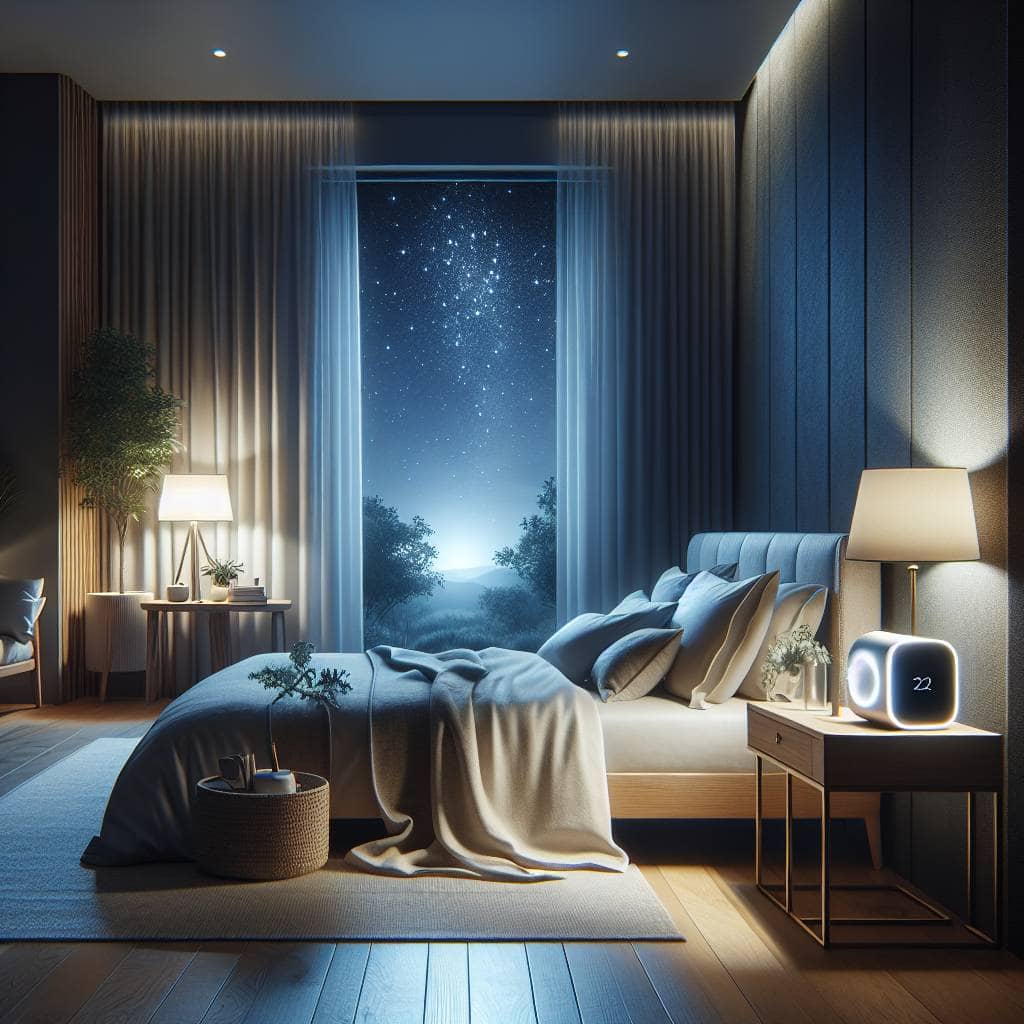
So, here’s the deal. This isn’t about selling you snake oil. It’s about cutting through the noise and figuring out what tech can actually make a difference. We’re diving into the gritty details of sleep tracking, the utility of apps and wearables, and even those smart alarm clocks that supposedly mimic the sunset. Because if a white noise machine can drown out the chaos of city life, it’s worth talking about. I’ll share what’s hype and what’s genuinely helpful, no sugar-coating. Let’s sift through the nonsense and find some real solutions.
Table of Contents
When My Alarm Clock Became Smarter Than Me
Waking up used to be a straightforward affair: alarm rings, I groan, and the day begins. But now, my alarm clock has evolved into a hyper-intelligent device that might know more about my sleep patterns than I do. It’s like my very own sleep analyst, minus the couch. This thing doesn’t just blare noise until I stumble out of bed; it knows when I’m in the lightest phase of sleep and gently coaxes me awake. It’s like having a butler who’s also a sleep scientist. What’s unsettling? It’s probably better at managing my sleep than I am.
I’ve got a whole ecosystem dedicated to making sure I get the elusive “good night’s sleep” everyone talks about. Lights that mimic sunsets, white noise machines that drown out the city chaos, and wearables that track every toss and turn. It’s a surveillance network designed for one purpose: making sure I don’t wake up feeling like I’ve been hit by a truck. But sometimes, it feels like I’m living in a sci-fi movie where my gadgets know more about my REM cycles than my own brain does. And honestly, I’m not sure whether to be impressed or a little freaked out.
The truth is, these tech marvels are clever. They’re built to help us win the battle against insomnia, early meetings, and any other sleep saboteurs. Yet, there’s a part of me that wonders if I’m outsourcing too much of my life to machines. I mean, at what point did I start needing a gadget to tell me when to hit the sack? But here we are, in a world where my alarm clock might just be the smartest member of my household. And if it means I get a few more hours of quality shut-eye, I’ll let it think it’s the boss. For now.
Trusting Tech Over Tired Minds
In a world where our own thoughts betray us at 2 AM, it’s the quiet hum of a white noise machine or the gentle nudge of a smart alarm that restores sanity. These gadgets are the sentinels of sleep, standing guard when our brains can’t.
When Machines Teach Us About Rest
I’ve learned to trust tech over my own instincts when it comes to sleep. It’s not about surrendering to the machines but rather recognizing their value in a world where our brains are constantly overstimulated. My smart alarm clock, with its gentle sunrise mimicry, knows more about my mornings than I ever did, and I’m fine with that. It’s not a betrayal of self-reliance; it’s an enhancement, a collaboration. The wearables, those pocket-sized narcs, sure—sometimes they’re a little too honest. But in this dance between data and dreams, they’ve taught me to listen to signals I used to ignore.
And let’s not forget the white noise machines humming in the background. These gadgets aren’t just noise-makers; they’re architects of calm. They drown out the chaos, offering a sanctuary where my mind can finally shut down. It’s funny, really. I used to think that relying on technology for something as natural as sleep was an admission of defeat. But now, it feels more like an evolution. In a world where light pollution and endless notifications threaten to rob us of rest, tech becomes a quiet ally, guiding us gently back to the basics: a good night’s sleep.