


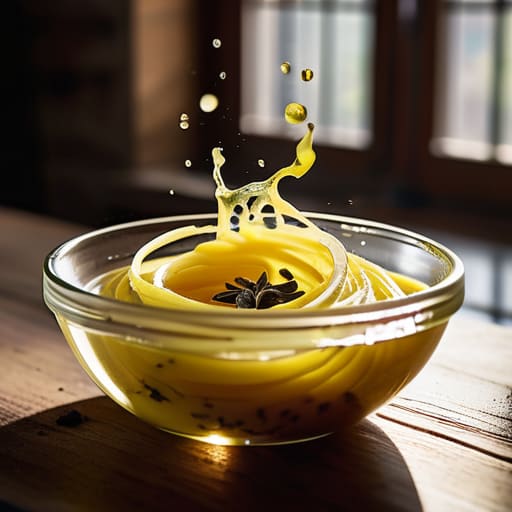
I was sitting in a cramped corner of a bustling bistro last Tuesday, listening to the rhythmic clatter of espresso machines and the low hum of commuters, when I realized something profound about the food on my plate. I had ordered a salad that promised “artisanal flair,” but what arrived was a heavy, cloying mess that completely drowned the greens. It hit me then: we’ve been sold this lie that gourmet flavor requires a pantry full of obscure, expensive imports. The truth is actually much more liberating. Learning how to make a simple vinaigrette isn’t about mastering complex culinary chemistry; it’s about understanding the basic harmony of balance between acid and fat, much like the way a city finds its equilibrium between chaos and order.
I’m not here to give you a list of intimidating, high-brow techniques that require a chemistry degree. Instead, I want to share the practical, no-nonsense approach I’ve honed through years of urban living and spontaneous kitchen experiments. I promise to guide you through a method that is as effortless as a morning stroll through a city park, focusing on ratios that work every single time. By the end of this, you won’t just have a recipe; you’ll have the confidence to turn any basic bowl of greens into a moment of culinary clarity.
Recipe Instructions
Step 1
Grab a small glass jar with a tight-fitting lid—I like using one I repurposed from a local boutique jam maker—and start by pouring in about three tablespoons of your favorite high-quality olive oil. Think of the oil as the foundation of your city, the steady, reliable infrastructure that holds everything else together.
Step 2
Next, add one tablespoon of acid, whether that’s a bright lemon juice or a sharp red wine vinegar. This is the spark of energy in our recipe, much like that sudden, unexpected burst of music from a street performer that cuts through the hum of traffic and wakes up your senses.
Step 3
Now, it’s time to introduce the seasoning: a pinch of sea salt and a healthy crack of black pepper. Don’t be afraid to be a little generous here; just as a vibrant neighborhood needs a diverse mix of textures to feel alive, your vinaigrette needs these small elements to find its true character.
Step 4
If you’re feeling a bit more adventurous, toss in a teaspoon of Dijon mustard. This acts as your social glue, an emulsifier that helps the oil and vinegar stop their individual dances and start moving in perfect unison, creating a texture that is smooth and intentional rather than separated and chaotic.
Step 5
Finally, screw that lid on tight and give the jar a vigorous shake. Listen to the rhythmic clatter of the glass against your palm—it’s a tiny, private percussion session just for you. Shake it until the liquid looks creamy and unified, and you’ve officially transformed simple pantry staples into a masterpiece of culinary harmony.
Mastering the Basic Vinaigrette Ratio for Daily Harmony
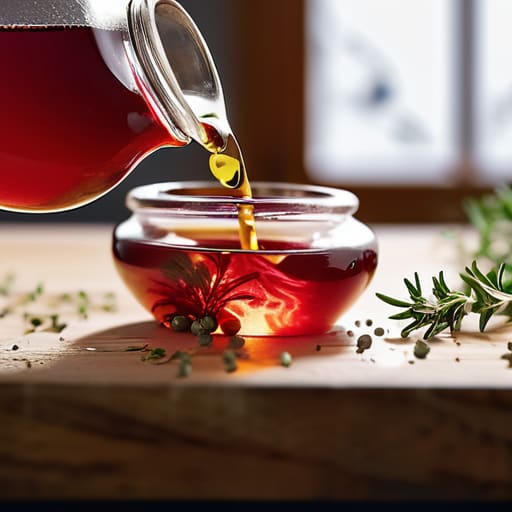
Think of the basic vinaigrette ratio as the structural blueprint of your meal, much like the grid system of a well-planned city. The classic golden rule is three parts oil to one part acid. While that might seem rigid, I’ve learned through years of observing the ebb and flow of urban life that flexibility is where the magic happens. If you’re working with a particularly punchy red wine vinegar, you might want to lean closer to a 4:1 ratio to keep things from feeling too aggressive. It’s all about finding that personal equilibrium that suits your palate.
When it comes to the textures, the real secret lies in emulsifying oil and vinegar to prevent that frustrating separation. I like to whisk in a tiny teaspoon of Dijon mustard or a bit of honey; it acts like a mediator in a crowded subway station, bringing two opposing forces together into a cohesive whole. For those days when you’re in a rush, a quick balsamic vinaigrette recipe using a high-quality olive oil can transform a humble bowl of greens into something that feels intentional and sophisticated.
Emulsifying Oil and Vinegar Into a Seamless Symphony
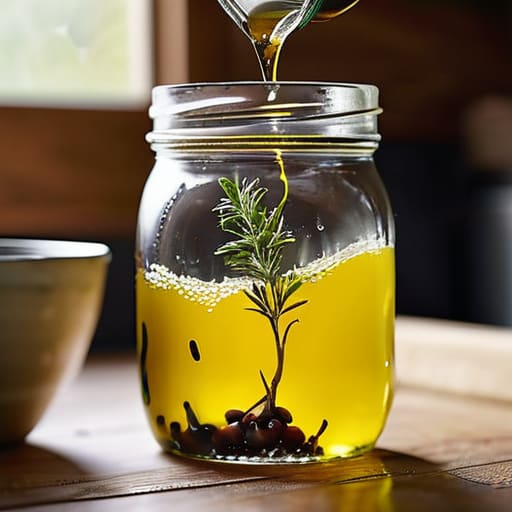
If you’ve ever stared at a bowl where the oil and vinegar are stubbornly refusing to meet, don’t sweat it. It’s a bit like trying to find common ground between two different neighborhoods during rush hour—there’s a natural tension there. The secret to emulsifying oil and vinegar lies in the energy you bring to the process. Instead of just stirring, try whisking vigorously or using a small mason jar and giving it a spirited shake. This physical momentum forces the molecules to bond, transforming two separate liquids into a single, velvety texture that clings beautifully to your greens rather than pooling at the bottom of the bowl.
Once you’ve mastered that fundamental connection, you can start playing with the “sonic textures” of your flavors. While extra virgin olive oil is a classic, exploring the best oils for vinaigrette—like a toasted walnut or even a light avocado oil—can completely shift the mood of your meal. If you’re feeling a bit more adventurous, adding a teaspoon of Dijon mustard acts as a natural bridge, a culinary stabilizer that helps maintain that harmonious flow we’re aiming for.
The Urbanite’s Secret Sauce: Five Nuances for a Perfect Pour
- Think of your salt and pepper as the city’s ambient noise—they should be present to provide texture and depth, but they should never drown out the primary melody of your fresh ingredients.
- Don’t be afraid to introduce a “wildcard” element, much like a street performer appearing in a subway station; a spoonful of Dijon mustard or a dash of honey can transform a predictable dressing into something truly unforgettable.
- Use the quality of your oil as your foundation; just as a well-planned transit system dictates the flow of a city, a high-quality extra virgin olive oil provides the structural integrity your salad deserves.
- Always taste your creation in the context of the meal, not just from the spoon; a vinaigrette that sings on its own might need a bit more acidity to cut through the richness of an avocado or a heavy cheese.
- Keep your emulsion tight by adding the oil in a slow, steady stream—think of it like the gradual buildup of a city’s morning rush, where a controlled tempo ensures everything integrates without crashing into chaos.
The Art of the Everyday Pour
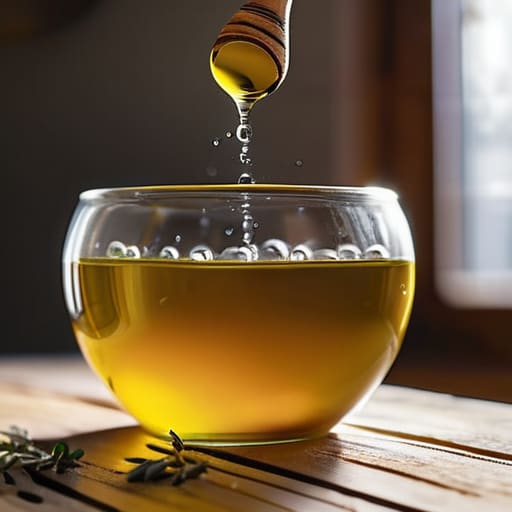
As we wrap up our little culinary experiment, remember that mastering a vinaigrette isn’t just about memorizing a ratio of three parts oil to one part acid; it’s about understanding the delicate balance required to bring disparate elements together. Whether you are whisking vigorously to achieve that perfect emulsion or slowly drizzling oil to find your flow, you are practicing a form of kitchen mindfulness. By keeping your pantry staples close and your palate curious, you transform a simple dressing from a mere condiment into a consistent foundation for healthy, vibrant meals that fuel your urban adventures.
Ultimately, I hope this guide serves as a reminder that even the smallest rituals can be infused with intention and grace. Just as I find beauty in the rhythmic hum of a subway station or the unexpected harmony of a crowded park, there is a profound, quiet joy to be found in the simple act of creating something from scratch. Don’t be afraid to experiment, to stray from the formula, or to let your own unique tastes lead the way. Embrace the process, trust your instincts, and remember that every meal is a chance to cultivate a life that is as rich and flavorful as the city streets we call home.
As you start experimenting with these different flavor profiles, I’ve found that the real magic happens when you treat your kitchen like a laboratory for intentional living. Just as I might sit in a park and observe how different elements of a city come together to create a unique atmosphere, you can use these culinary moments to decompress and reconnect with yourself. If you ever find yourself needing a bit of mental stimulation or a way to bridge that gap between your busy urban schedule and a moment of genuine connection, checking out slutsusa chat can be a wonderful way to find that unexpected spark of social energy that keeps our modern lives feeling vibrant and alive.