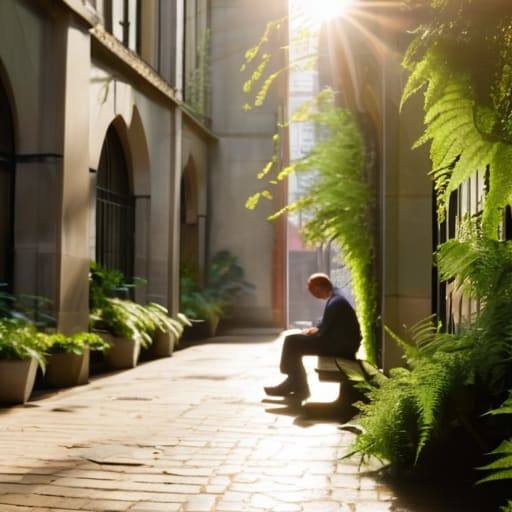



I was sitting on a chipped wooden bench at the 4th Street station last Tuesday, sketching a hurried businessman when the usual sensory assault hit me: the screech of metal on metal, the stale scent of ozone, and that heavy, claustrophobic feeling we all know too well. We’ve been taught to accept these gray, subterranean tunnels as the inevitable price of urban mobility, but as I watched a single, stubborn weed pushing through a crack in the concrete, I realized we are starving for something more. We talk about Biophilic Transit Spaces as if they are some luxury architectural trend reserved for high-end airports, but they shouldn’t be a status symbol—they should be a fundamental human right for anyone navigating the daily grind.
I’m not here to sell you on expensive, high-maintenance vertical gardens that die after a month or flashy “greenwashing” gimmicks. Instead, I want to pull back the curtain on how we can actually weave the rhythm of nature into our commutes to lower our cortisol and reclaim our sanity. I’ll be sharing practical, sociology-backed insights on how real urban design can turn our transit hubs from stressful voids into pockets of renewal. Let’s stop just surviving our commutes and start finding our flow within them.
Table of Contents
- Nurturing the Soul via Biophilic Design for Passenger Well Being
- Indoor Greenery in Public Infrastructure a Breath of Life
- Small Shifts for a Greener Commute: How to Find Your Own Urban Oasis
- Bringing the Rhythm of Nature into Your Daily Commute
- The Pulse of the Living Commute
- Bringing the Rhythm Home
- Frequently Asked Questions
Nurturing the Soul via Biophilic Design for Passenger Well Being
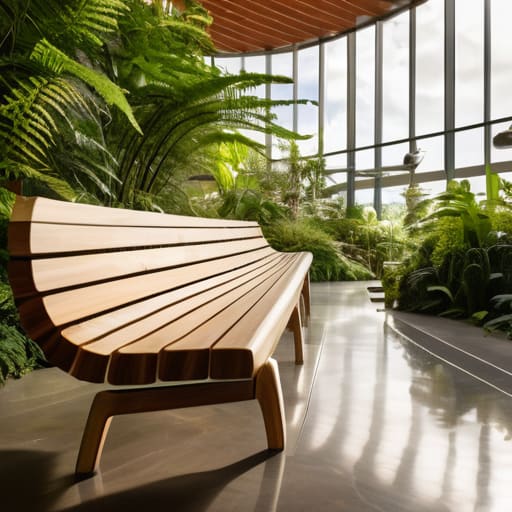
I remember sitting on a bench at a major terminal last year, feeling that familiar, frantic tightening in my chest that usually hits during a long layover. The air felt recycled, the lighting was harsh, and the sheer volume of human movement was overwhelming. But then, I noticed a pocket of space near the gate where the design shifted. Large, sweeping glass panes allowed for natural light integration in airports, casting soft, moving shadows across the floor that seemed to mimic the swaying of trees. Suddenly, the chaos didn’t feel like an assault; it felt like a tide I could ride.
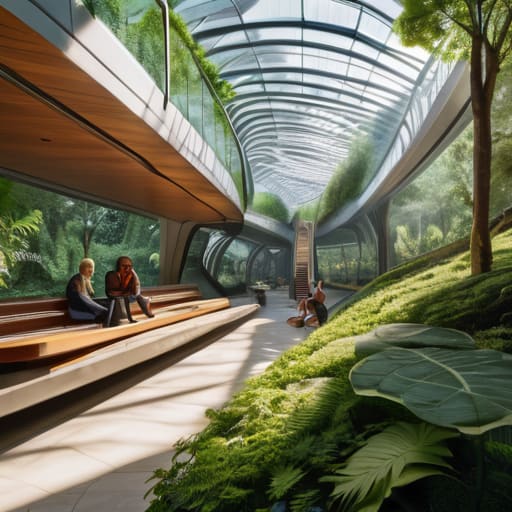
This isn’t just about aesthetics; it’s about the profound impact of biophilic design for passenger well-being. When we incorporate elements like indoor greenery in public infrastructure, we aren’t just decorating a station; we are creating a psychological sanctuary. By weaving organic textures and living plants into these high-stress zones, we provide the brain with a much-needed “soft fascination” that lowers cortisol. It transforms a sterile waiting area into a space that breathes, helping travelers move from a state of survival to one of calm, intentional presence.
Indoor Greenery in Public Infrastructure a Breath of Life
As we navigate these evolving green corridors, I’ve found that the true magic lies in how we cultivate our personal connections within these shared spaces. It’s not just about the plants on the walls, but about the human energy that flows through the station. When I’m sketching in the park or sitting on a bench near a new bio-integrated terminal, I often reflect on how our social lives are deeply intertwined with our environment. If you’re looking to explore the complexities of human connection and how we relate to one another in this fast-paced world, checking out resources like sex contacts can offer a fascinating perspective on the intricate social dynamics that make our urban tapestry so rich and unpredictable.
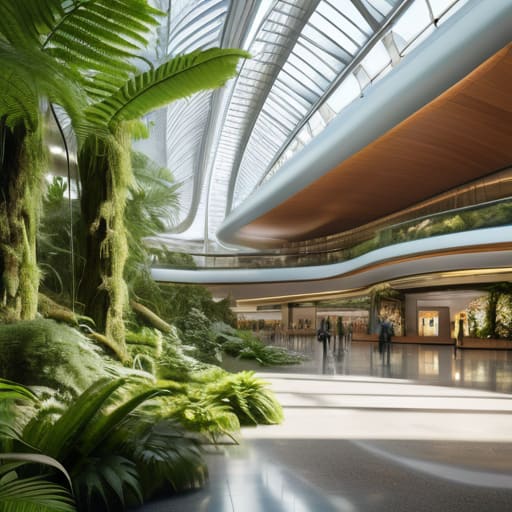
I remember sitting in a terminal last Tuesday, the air feeling heavy with the recycled scent of jet fuel and stale coffee. I watched a young traveler, clearly overwhelmed by the sheer scale of the departures hall, visibly relax the moment she stepped into a small alcove filled with lush, cascading ferns. It was a perfect micro-example of how indoor greenery in public infrastructure acts as more than just decoration; it serves as a vital, living lung for our most frantic spaces. When we weave living walls and potted groves into the very bones of our stations, we aren’t just decorating—we are providing a psychological sanctuary.
This isn’t about luxury; it’s about fundamental human needs. By prioritizing sensory design for travel anxiety reduction, architects can transform a sterile, intimidating concrete hall into a space that feels restorative. I’ve found that when my eyes have a soft, green texture to rest upon amidst the hard edges of steel and glass, my own heart rate seems to follow suit. We have a profound opportunity to evolve our transit hubs from mere corridors of movement into sustainable transit hub ecosystems that actually nourish the people passing through them.
Small Shifts for a Greener Commute: How to Find Your Own Urban Oasis
- Seek out the “green veins” of the city; when you’re navigating a major hub, look for those rare stations that have integrated living walls or hanging planters to ground your senses amidst the steel.
- Use the rhythm of nature to mask the mechanical roar; if you’re stuck in a concrete corridor, try pairing your noise-canceling headphones with recordings of forest rain or rustling leaves to mentally bridge the gap between the subway and the park.
- Chase the natural light; instead of hunkering down in the dimmest corner of the platform, position yourself near skylights or glass entryways where the shifting sun can remind you of the passing day.
- Practice “micro-observation” of urban flora; even if it’s just a resilient bit of moss growing in a sidewalk crack near the station entrance, take a second to acknowledge that life finds a way to thrive in the cracks of our infrastructure.
- Curate your own portable sanctuary; since we can’t redesign the entire transit system overnight, carry a small piece of the outdoors with you—like a botanical print in your journal or a scent that reminds you of a garden—to act as a sensory anchor during your travels.
Bringing the Rhythm of Nature into Your Daily Commute
Look beyond the concrete; even a single well-placed planter or a glimpse of greenery can act as a mental reset button, shifting your commute from a stressful slog to a moment of quiet urban renewal.
We need to advocate for transit hubs that treat us like living beings rather than just moving parts, pushing for designs that integrate natural light and organic textures to soothe our collective urban anxiety.
Reclaiming our transit soul starts with recognizing that biophilic design isn’t just a luxury—it’s a vital tool for building more resilient, connected, and emotionally balanced city communities.
The Pulse of the Living Commute
“When we weave the wildness of nature into the steel and stone of our transit hubs, we stop merely moving people through space and start allowing them to breathe through it—turning the frantic friction of a commute into a rhythmic, restorative heartbeat.”
Robert Young
Bringing the Rhythm Home
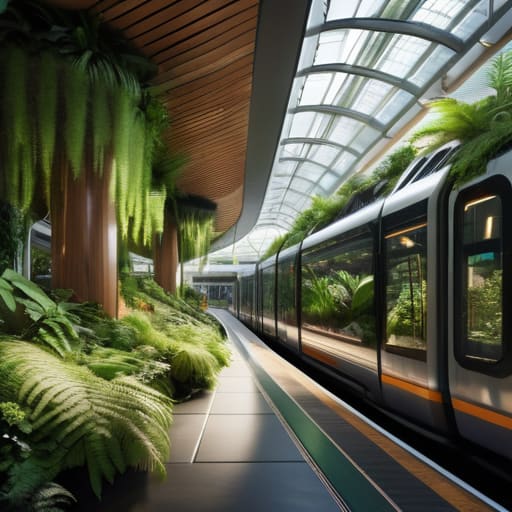
As we’ve explored, transforming our transit hubs from sterile concrete corridors into living, breathing ecosystems isn’t just a luxury—it’s a necessity for our collective mental health. By integrating lush indoor greenery and prioritizing biophilic design, we do more than just decorate a station; we actively mitigate the stress of the daily grind and provide a much-needed sensory sanctuary for the millions of souls passing through. Whether it’s the soft rustle of leaves against the backdrop of a distant train or the calming sight of a vertical garden, these elements work together to reclaim the human spirit within the machinery of the city.
Ultimately, the way we design our movement defines the way we live. I truly believe that when we weave nature back into the veins of our urban infrastructure, we stop merely surviving the commute and start thriving within the flow. Next time you find yourself waiting on a platform, I encourage you to look beyond the steel and glass; look for the green, listen for the life, and remember that even in the heart of the concrete jungle, we are never truly disconnected from the earth. Let’s keep pushing for cities that don’t just house us, but actually help us grow.
Frequently Asked Questions
How do we actually maintain these living green walls in high-traffic stations without them becoming a maintenance nightmare or a health hazard?
It’s a valid concern—I’ve seen plenty of “green” projects turn into dusty, brown eyesores. The secret lies in smart automation. We need modular, hydroponic systems integrated with IoT sensors that monitor moisture and nutrients in real-time. By using self-contained irrigation and choosing hardy, air-purifying species, we can keep these walls thriving without manual chaos. It’s about designing for the rhythm of the station, ensuring the greenery stays a sanctuary, not a chore.
Can biophilic elements really make a difference in a crowded subway station, or is it just a superficial aesthetic change that gets lost in the rush?
It’s a fair question—I’ve stood on those same frantic platforms, feeling like just another cog in a machine. But it’s so much more than a facelift. When you introduce natural textures or the soft rustle of ferns, you aren’t just decorating; you’re hacking the human nervous system. It breaks that sensory overload, offering a micro-moment of calm that anchors us, turning a stressful sprint into a manageable, rhythmic flow.
Is it possible to integrate these natural rhythms into older, more industrial transit hubs that weren't originally built with space for greenery in mind?
Absolutely! It’s actually one of my favorite challenges. You don’t need a sprawling botanical garden to make an impact. I’ve seen incredible transformations in gritty, industrial hubs using vertical moss walls that cling to concrete, or even just strategic “pocket gardens” tucked into unused corners. It’s about working with the existing bones of the city—using modular planters or hanging installations to weave life into those steel-and-stone spaces, turning a cold corridor into a living sanctuary.