



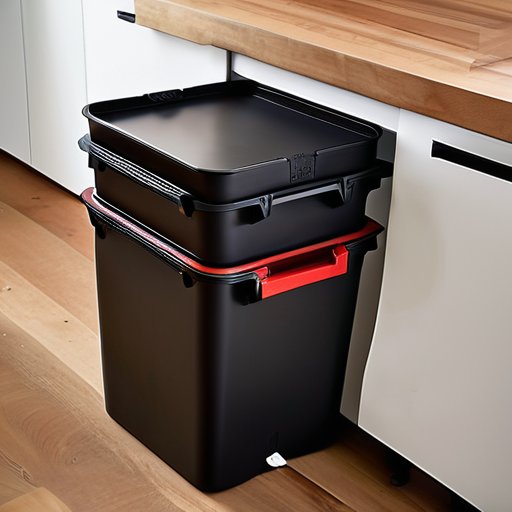
Imagine me perched on the fire‑escape of a 12‑story walk‑up, a half‑filled plastic bottle clutched in one hand and the distant wail of a subway train humming in the background. I’m mid‑scramble, trying to coax a handful of curious red wigglers into a narrow, vertically stacked chamber I’ve just taped together with duct tape and hope. That moment—when the city’s rhythm collides with the soft, earthy scent of compost—made me realize that building a DIY vertical worm bin isn’t a sterile hobby reserved for backyard gardeners; it’s a micro‑revolution right on a balcony railing.
In the next few minutes I’ll walk you through the detail—choosing the right container, why a narrow “tower” design maximizes aeration, cheap hacks for drainage that keep your floor dry, and tricks that turn shy worms into enthusiastic composters. You’ll get a printable checklist, a wiring diagram for a DIY LED “worm‑watch” lamp I cobbled together from spare bulbs, and a feeding schedule that fits between your commute. By the end, you’ll have a worm tower that turns your balcony into a soil rhythm studio, and you’ll feel the city’s pulse pulsing through gold.
Table of Contents
- Step-by-Step Instructions
- Building a Diy Vertical Worm Bin Urban Soil Symphony
- Airflow Secrets Ventilation Tricks for Compact Worm Towers
- Apartment Alchemy Setting Up Your Vertical Worm System
- Urban Worm Whisperers: 5 Pro Tips for Vertical Bin Mastery
- Key Takeaways for Your Urban Worm Oasis
- Urban Soil Symphony
- Wrapping It All Up
- Frequently Asked Questions
Guide Overview
Tools & Supplies
- Drill with assorted drill bits – for making ventilation and drainage holes
- Jigsaw or handsaw – to cut the bin to the desired height
- Screwdriver set – for assembling the bin components
- Measuring tape – to ensure accurate dimensions
- Sandpaper – to smooth rough cut edges
- Two 5‑gallon plastic buckets (or wooden crates) – 2 units
- PVC pipe (½‑inch diameter, 12‑inch length) – 1 piece for ventilation
- Fine mesh screen – enough to cover vent holes (≈12 in²)
- Screws (½‑inch wood or plastic) – ½‑cup (≈12‑16 pcs)
- Silicone sealant – 1 tube for waterproofing seams
- Shredded newspaper or cardboard (bedding) – 2‑3 lbs
- Red wiggler worms (Eisenia fetida) – 1‑2 lbs (≈1,000‑2,000 worms)
- Kitchen scraps (fruit, veg, coffee grounds) – as feed (as needed)
Step-by-Step Instructions
- 1. Scout the perfect spot – I begin by hunting for a quiet corner of my apartment balcony that gets a splash of morning sun but stays out of the way of my daily coffee‑to‑commute rush. A narrow bookshelf or an unused laundry‑room closet works wonders. I make sure the space is well‑ventilated and within arm’s reach of my kitchen trash bin, because I’ll be shuffling kitchen scraps in and out all week.
- 2. Gather the vertical chassis – I repurpose a sturdy, stackable plastic storage bin (the kind with a snap‑on lid you can see through) and cut a few neat vents near the top and bottom for airflow. Using a drill, I poke three 2‑inch holes on each side, spacing them evenly, then line the interior with a layer of coarse newspaper to keep the bin from getting soggy. This simple hack turns a plain container into a breathable worm haven.
- 3. Lay down the bedding – Next, I shred an equal mix of shredded newspaper, cardboard, and a handful of dry leaves (yes, I keep a tiny stash of fallen city park leaves for this!). I dampen the mixture until it feels like a wrung‑out sponge and fluff it into the bin, creating a cozy worm‑friendly environment. The goal is to mimic the moist, dark leaf litter they’d love in a forest floor, right in my downtown loft.
- 4. Introduce the residents – I gently add a modest troop of red wiggler worms (about a pound for a 15‑liter bin) onto the bedding. I give them a moment to explore their new high‑rise apartment before I start feeding them. I start with a modest offering of fruit peels, coffee grounds, and the occasional slice of stale bread, always burying the food a couple of inches beneath the surface to keep the bin odor‑free.
- 5. Set up the feeding routine – I schedule a weekly “worm‑fuel” day, usually on a Saturday after my morning commute, when I drop a handful of kitchen scraps into the bin. I sprinkle a little water if the bedding feels dry, then cover it with a fresh layer of shredded newspaper to keep the worms snug and the bin looking tidy. Keeping a consistent rhythm helps the worms thrive and the bin stay odor‑free.
- 6. Harvest the gold – After about six weeks, I gently push the bedding to one side of the bin, creating a fresh feeding zone on the opposite side. The worms naturally migrate, allowing me to scoop out the nutrient‑rich castings from the empty side. I spread the castings onto my balcony herb pots, turning my vertical worm bin into a living compost garden that feeds my rooftop basil and keeps the city vibe alive.
Building a Diy Vertical Worm Bin Urban Soil Symphony
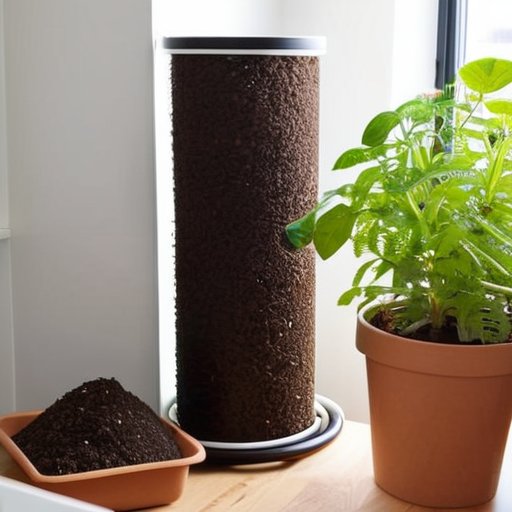
When you start thinking about how to set up a vertical worm composting system in an apartment, the first thing I do is stroll down to my favorite hardware aisle and hunt for the best materials for indoor vertical worm bins. Recycled PVC pipe, a stack of sturdy cardboard tubes, or even a set of old mason jars can become the backbone of a sleek, space‑saving tower. I like to drill a few tiny holes near the top of each section—not too many, just enough to let fresh air breeze through. Those ventilation and airflow tips for vertical worm bins keep the interior from turning into a stale tunnel, and they also give the worms a gentle, city‑like draft that feels like a sigh of relief after a busy rush‑hour commute.
Once the skeleton is assembled, the real art begins: maintaining moisture levels in a vertical worm compost bin. A light misting bottle and a simple drip‑drip tray tucked beneath the lowest tier keep the soil humming without turning it into a swamp. I’ve found that placing a small, reusable water‑absorbent sponge at the base acts like a tiny urban oasis, releasing moisture slowly as the worms work. The zero waste benefits of vertical vermiculture for balcony gardens are immediate—your leftover veggie scraps become rich, black gold that feeds a potted herb garden just a few steps away from your balcony rail. In a city where every square foot counts, this vertical compost garden turns a cramped balcony into a thriving, sustainable micro‑farm.
Airflow Secrets Ventilation Tricks for Compact Worm Towers
I’ve learned that a worm tower’s secret is less about the soil and more about the breeze that whispers through it. In a high‑rise studio, where the windows are your only link to the street, I start by positioning the tower right beneath a slip‑stream of fresh air—often the narrow gap between a balcony rail and the building’s concrete skin. A single ¼‑inch hole, punched just above the top shelf, acts like a tiny urban vent, letting the city’s subtle drafts dance through the compost. I line that opening with a fine stainless‑steel mesh to keep curious pigeons out while still inviting a gentle cross‑current that keeps the bin from turning into a stagnant, smelly tunnel.
Next, I give the tower a “sleeve” of flexible PVC pipe, cut to a length that reaches from the bin’s base to the window sill. I drill a series of evenly spaced ½‑inch slots along the pipe, then wrap it in a breathable cheesecloth. This creates a low‑tech, space‑saving air‑exchange system that mimics the way subway tunnels pull fresh air through their tunnels. The result? A compact worm tower that breathes as easily as a city park at sunrise—quiet, efficient, and ready to turn your apartment’s vertical real estate into a thriving, odor‑free micro‑ecosystem.
Apartment Alchemy Setting Up Your Vertical Worm System
I start my Saturday on the fire‑escaped balcony, the subway’s rumble and distant saxophone setting the soundtrack for a small experiment. I fit a 12‑inch PVC column with a breathable liner, line the bottom with shredded newspaper, then introduce a handful of red wigglers. Placing the tower near a sunny window—yet out of direct glare—creates a warm, city‑lit home for my new compost crew.
If you’re craving a place to swap set‑up stories, troubleshoot a stubborn odor, or just share the joy of watching tiny compost heroes dance through your balcony, I’ve found a surprisingly welcoming online nook where city gardeners gather to swap photos, designs, and encouragement—think of it as a virtual rooftop garden lounge. Dive into the community at aussie swingers and you’ll quickly discover a thread of fellow worm‑keepers who love the same urban alchemy as you, plus a handful of clever hacks for keeping those vertical towers humming. This is a great spot to turn a solitary project into a shared rhythm, and you might even pick up a few ventilation tricks that I haven’t covered yet. Happy composting!
Next I rig a low‑flow drip line from a repurposed garden hose, letting a gentle drizzle echo the city’s rain rhythm. Each evening I tap a quiet beat on the metal frame, reminding the worms they’re part of my urban orchestra. Within a week the bin hums with activity, and the faint earthy aroma mingles with nearby street‑food scents—proof that even a modest apartment can host a thriving, low‑maintenance soil symphony for anyone seeking green joy.
Urban Worm Whisperers: 5 Pro Tips for Vertical Bin Mastery
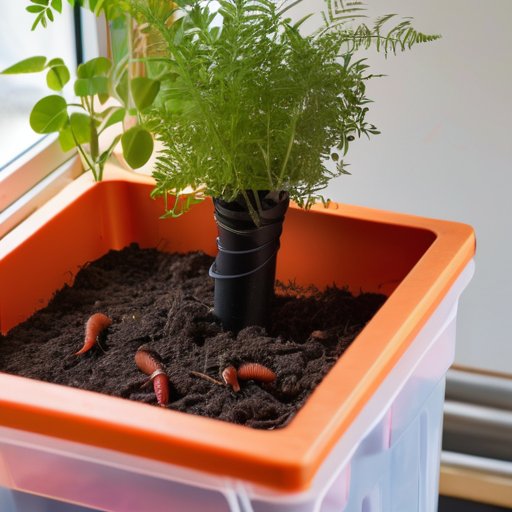
- Choose a slim, stackable container that fits your balcony rail—think “lean‑to” bookshelf, not a bulky tote.
- Slice a narrow “breathing corridor” along the side so fresh air can glide through without blowing your wriggly tenants out.
- Layer shredded newspaper with a dash of coffee grounds; the texture mimics leaf litter and keeps the micro‑climate cozy.
- Add a tiny “water‑watch” tray at the base—just a splash of rainwater will keep the worms hydrated without flooding the floor.
- Rotate the tower a quarter turn every two weeks; it distributes moisture, prevents odor pockets, and lets the whole colony stretch its legs.
Key Takeaways for Your Urban Worm Oasis
A vertical worm tower turns even the tiniest balcony corner into a thriving, odor‑free compost hub that feeds your plants and the planet.
Proper airflow—think “city breezes” rather than stagnant tunnels—keeps worms happy and prevents soggy smells, ensuring a smooth, low‑maintenance operation.
Regularly rotate trays and feed with a balanced mix of kitchen scraps and shredded paper to keep the system humming like the rhythm of a bustling street corner.
Urban Soil Symphony
“In a city where concrete meets sky, a vertical worm bin turns a tiny balcony into a living, breathing chorus—each wriggle a reminder that even the smallest spaces can hum with the rhythm of growth.”
Robert Young
Wrapping It All Up
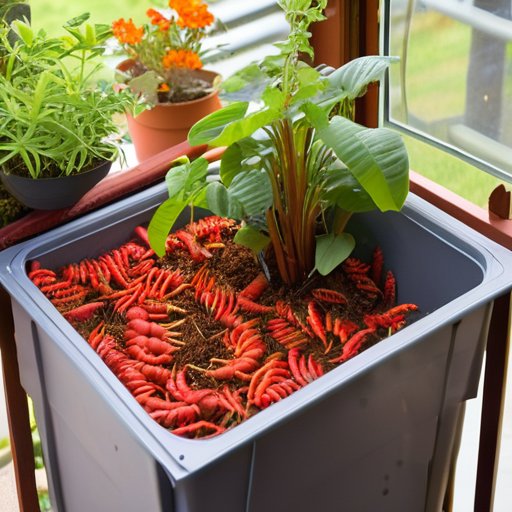
Looking back on the steps we just walked through, the magic of a DIY vertical worm bin really starts with picking a slim, stackable container that slides onto a balcony rail or slides under a kitchen cabinet. A simple layer of shredded newspaper creates a cozy bedding, then we add kitchen scraps and a handful of eager red wigglers. The secret to a thriving tower lies in the ventilation tricks we covered—tiny air holes, a gentle drip‑drain tray, and a gentle tilt that lets excess moisture escape. From weekly feeding to the gentle harvest of rich, crumbly compost, each routine turns a cramped city nook into a miniature urban soil symphony.
Imagine stepping onto your balcony at sunrise, hearing the soft rustle of city traffic and, just a foot away, the quiet churn of worms turning waste into fertile treasure. That subtle hum is a reminder that even the busiest streets can pulse with life if we give them a little room to breathe. By building your own vertical worm tower, you’re not just recycling scraps—you’re composing a personal soundtrack of renewal that echoes through concrete canyons. So let this be your invitation to keep listening, keep layering, and let every slice of leftover banana peel become a note in the ever‑growing melody of your city rhythm.
Frequently Asked Questions
How can I keep my vertical worm bin odor‑free in a tiny city apartment without compromising airflow?
I’ve learned the hard way that a happy worm tower smells like fresh rain on a city sidewalk—not like a forgotten subway tunnel. First, give your castors a cozy bedding of shredded newspaper and a sprinkle of dry leaves—think of it as a tiny urban park floor for them to burrow into. Feed them in small, bite‑sized portions and always cap the leftovers with a thin layer of bedding; this “soil blanket” traps any stray aromas. Keep moisture at a damp‑sponge level (no soggy puddles) and slip a thin piece of charcoal or a folded coffee‑ground filter on top for a natural deodorizer. Finally, install a discreet vent strip or a few micro‑holes near the top of the bin—just enough to let the city’s breeze whisper through without letting the scent escape. With these tweaks, your vertical worm bin will stay fresh, airy, and perfectly in sync with your apartment’s rhythm.
Which kitchen scraps are safe for the tower‑dwelling worms, and are there any foods I should definitely avoid?
Great question! In my apartment tower, I feed my worm buddies a colorful mix of fruit peels (banana, apple, orange), veggie trimmings (carrot tops, lettuce leaves), coffee grounds, tea bags, and shredded newspaper. They love the occasional grain‑based crumb—think a slice of whole‑grain bread or a few crackers. Avoid anything citrusy in excess, onions, garlic, spicy sauces, meat, dairy, or oily foods; those can stress the worms and attract pests. I also sprinkle a bit of crushed eggshell for calcium.
Can I integrate the worm bin’s castings straight into my balcony herb garden for a seamless urban compost loop?
Absolutely—your balcony can become a living compost concerto! Once the worms have turned kitchen scraps into dark, crumbly castings, simply sift out any leftover bits and sprinkle the nutrient‑rich gold over your herb pots. A thin layer—about a quarter‑inch thick—works wonders; it feeds the soil, boosts flavor, and keeps the cycle humming. Just water lightly afterward, and watch your basil, mint, and thyme thrive on that urban‑grown black gold.