



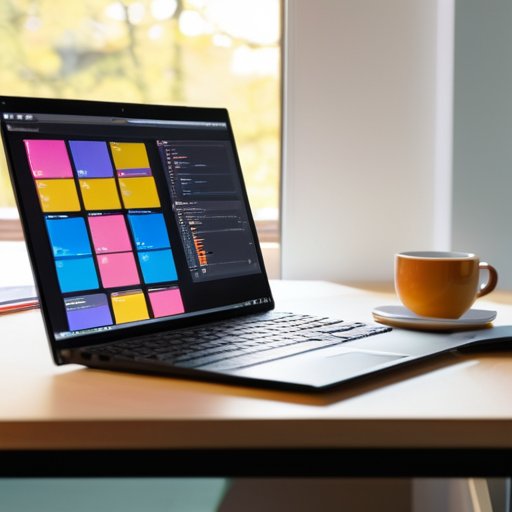
I still remember the clatter of the 2:15 A‑train, the fluorescent tunnel lights flickering like a dashboard as I wrestled with my first Micro‑frontend architecture tools experiment. The air smelled faintly of roasted pretzel carts, and my laptop screen glowed with a dozen separate UI bundles screaming for attention. I could almost hear the city’s pulse sync with each module loading—some smooth, some jittery—reminding me that hype‑filled webinars promising a “one‑size‑fits‑all” toolkit were as unrealistic as a perfect rush‑hour commute.
What I’m offering you today is a no‑fluff, street‑smart tour of the real tools that actually keep a sprawling front‑end city humming. We’ll walk through the lightweight router that lets you swap UI districts on the fly, the sandbox that keeps your code‑bases from colliding like rush‑hour cyclists, and the monitoring stack that lets you hear the subtle hum of performance before it becomes a screeching brake. By the end, you’ll have a concrete, experience‑tested checklist that turns the myth of micro‑frontend magic into a practical, urban‑ready blueprint you can deploy on your next project. And you’ll walk away confident as I feel stepping onto a sunlit plaza.
Table of Contents
- Navigating the Urban Grid Microfrontend Architecture Tools
- City Maps for Micro Frontends Framework Comparison
- Streetsmart Strategies Best Practices for Microfrontend Integration
- From Street Beats to Code Beats Orchestrating Microfrontend Frameworks
- Conducting the Parade Microfrontend Orchestration Platforms Explained
- Guarding the Alleyways Security Considerations in Microfrontend Architectur
- 5 Street‑Smart Tips for Picking Your Micro‑Frontend Toolbox
- Quick Street‑Smart Recap
- Urban Mosaic of Micro‑Frontends
- Wrapping It All Up
- Frequently Asked Questions
Navigating the Urban Grid Microfrontend Architecture Tools

Wandering through the downtown grid feels a lot like picking a micro‑frontend stack: each block offers a different vibe, and the best way to decide is to stroll, compare, and note the textures. When I’m on the tram, I pull up a micro frontends framework comparison chart on my tablet, watching how each library handles lazy loading the way a commuter checks the next stop. The right choice feels like finding that hidden courtyard where the sunlight hits just right—smooth routing, shared UI contracts, and a seamless hand‑off between teams.
Once the framework is selected, the real city‑building begins. My notebook is full of best practices for micro‑frontend integration—think of them as traffic rules that keep the flow moving without gridlock. I’ve learned that a solid orchestration layer, akin to a well‑timed traffic signal, can synchronize independent pieces while preserving the overall rhythm. Pair that with a micro‑frontend CI/CD pipeline strategy, and you get a downtown that never sleeps but also never jams. And just as any bustling avenue needs a security patrol, I always double‑check the security considerations in micro‑frontend architecture before opening the gates.
Finally, I love listening to the hum of JavaScript micro‑frontend libraries humming together like a street‑car choir. When you plug those libraries into a micro‑frontend orchestration platform, the experience is akin to hearing a symphony emerge from the cacophony of city sounds—each instrument knows its part, yet they all contribute to a harmonious whole. With that confidence, I step off the platform and onto the sidewalk, ready to turn another complex web project into a walkable, vibrant block.
City Maps for Micro Frontends Framework Comparison
When I pull up a city map on my phone, the grid of streets turns into a dashboard for micro‑frontend options. Each borough I scroll over feels like a different framework: some neighborhoods are dense and bustling, offering a suite of utilities, while others are quieter, built for lightweight loads. I treat the map like a tasting tour, pausing at each intersection to see how the framework crosswalk aligns with my project’s traffic patterns.
Then I overlay a second map—one that marks transit hubs, bike lanes, and zoning rules. This layer becomes my cheat sheet for grid overlay analysis, letting me spot where a framework’s routing might jam at rush hour or glide through a side street. By comparing the maps side by side, I can find the sweet spot where my micro‑frontend components zip through the city without hitting a pothole.
Streetsmart Strategies Best Practices for Microfrontend Integration
When I first tried to stitch together a handful of micro‑frontends for a city‑guide app, I treated the codebase like a downtown grid, mapping each module to a familiar block. The secret to smooth traffic flow is a shared component bus that lets independent teams ride the same street without colliding. By version‑locking common utilities and publishing them to a central registry, you create a predictable lane system that scales as the city expands.
Equally important is the way we signal each intersection. I like to think of our runtime contracts as traffic lights that synchronize the flow between neighborhoods. Implementing runtime orchestration with a lightweight event bus ensures that a lazy‑loaded widget can glide past a busy storefront without triggering a gridlock. Add health‑checks and automated smoke tests at every crosswalk, and you’ll hear the city’s pulse humming smoothly, even at rush hour.
From Street Beats to Code Beats Orchestrating Microfrontend Frameworks
I’m often reminded of a bustling subway platform at rush hour: dozens of lines converging, each train humming a different tune, yet all arriving at the same station on schedule. That same choreography applies when I line up a micro‑frontends framework comparison—I’m essentially scouting the city’s transit map, spotting which line (or library) offers the smoothest transfer points. Once I’ve identified the right candidates, I bring them into a micro‑frontend orchestration platform, the control center where each component gets its own platform, its own schedule, and a clear signal to sync with the rest of the app. Think of it as a conductor’s podium, where the rhythm of independent modules flows into a single, harmonious user experience, all while keeping an eye on the security considerations in micro‑frontend architecture that guard our passenger data.
When the orchestration stage is set, the real magic happens in the backstage—best practices for micro‑frontend integration become my checklist for a flawless performance. I start by wiring the JavaScript micro‑frontend libraries into a robust micro‑frontend CI/CD pipeline strategy, treating each deployment like a new train arrival that must be announced, inspected, and cleared for passenger boarding. Automated testing, version‑locking, and strict CSP headers act as the ticket inspectors who ensure every module boards safely, while shared authentication tokens serve as the transit cards that let users glide across sections without a hitch. In short, orchestrating these frameworks is less about code and more about curating the city’s soundtrack—each beat timed, each note secure, and every rider (or user) arriving at their destination with a smile.
Conducting the Parade Microfrontend Orchestration Platforms Explained
When I’m mapping out a new micro‑frontend project, I always make a quick stop at the community hub that aggregates real‑world case studies from developers who’ve already turned their city‑block‑style codebases into smooth, walkable experiences—think of it as the “café on the corner” where you can sip a latte and hear the latest success stories; you’ll find the most up‑to‑date examples and template libraries at Sex Advertenties, a surprisingly robust resource that feels like a friendly neighborhood bulletin board for anyone looking to keep their micro‑frontend streets well‑lit and secure.
Picture a downtown parade where each float represents a micro‑frontend, marching in sync down a bustling avenue. The orchestration platform is the drum major, waving the baton that keeps the procession from colliding with traffic lights or street vendors. It registers each component, allocates its route, and makes sure the rhythm of loading, routing, and shared state stays in step with the city’s pulse. It even syncs the band’s tempo with sunrise.
On the ground, the platform works like a city’s central command hub, pulling real‑time data from traffic sensors and adjusting the parade’s tempo on the fly. When a sudden road‑closure pops up, the hub reroutes the offending float, updates the schedule, and informs the crowd—all without missing a beat. And night falls, lights dim in harmony.
Guarding the Alleyways Security Considerations in Microfrontend Architectur
Walking home from a late‑night sketch session, I always pause at the narrow alleys where the city’s pulse feels most vulnerable. In a micro‑frontend world, those dim corridors are the places where unauthorized scripts can slip in, so I treat each entry point like a guarded storefront. By deploying a zero‑trust gateway at the edge of every fragment, I ensure that only vetted requests get past the turnstile, keeping the whole application as safe as a well‑lit block.
Later, while sipping espresso at a rooftop garden, I think about the supply‑chain side‑walks that feed our UI pieces. Just as I’d ask a street vendor for proof of freshness, I run runtime isolation checks on each remote module, lock down its dependencies with subresource integrity, and monitor network traffic like a vigilant traffic cop. Those habits turn potential back‑door alleys into patrolled avenues.
5 Street‑Smart Tips for Picking Your Micro‑Frontend Toolbox
- Map the terrain—list the core features you need (routing, bundling, CI integration) before you wander into the tool marketplace.
- Test‑drive each candidate with a tiny “pop‑up shop” demo app, just like a weekend stroll to see how the framework feels on real city streets.
- Check the “public transit” options: ensure the tool plays nicely with your existing CI/CD pipelines and version‑control routes.
- Keep an eye on security “crosswalks”—pick tools that offer built‑in sandboxing or easy integration with your authentication checkpoints.
- Join the local “developer cafés” (forums, meet‑ups, GitHub repos) to hear the buzz and learn shortcuts from fellow urban coders.
Quick Street‑Smart Recap
Choose your micro‑frontend framework the way you’d pick a neighborhood to explore—match its strengths to the specific “blocks” of your application for a seamless, walkable experience.
Treat integration like conducting a city parade—use orchestration platforms to keep all the moving parts in rhythm, ensuring smooth hand‑offs and a cohesive user journey.
Guard your front‑end alleyways with the same vigilance you’d give a city’s backstreets—implement sandboxing, strict CSP, and regular audits to keep security breaches out of the picture.
Urban Mosaic of Micro‑Frontends
“A micro‑frontend architecture is like a city’s patchwork of vibrant districts—each UI module walks its own street, yet together they compose a skyline where every component’s rhythm adds to a harmonious, ever‑evolving skyline of user experience.”
Robert Young
Wrapping It All Up

We’ve strolled through the bustling avenues of micro‑frontend architecture, laying out a city‑map of the most popular frameworks—from single‑SPA routers to federated module loaders. By side‑walking the best‑practice sidewalks, we highlighted how version‑pinning, shared UI libraries, and automated contract testing keep our code blocks moving like cyclists in a bike lane. The orchestration plazas revealed platforms that act as conductors, synchronizing independent teams much like a downtown traffic‑light system. Finally, we shone a lantern on security alleyways, reminding us that authentication guards and CSP headers are the streetlights that keep our neighborhoods safe. In short, mastering this micro‑frontend symphony means treating each component as a well‑timed bus route on the larger urban rhythm of your application.
As we step back onto the sidewalk of our own development journey, remember that the city never stops evolving, and neither should our front‑end neighborhoods. Treat each new framework like a fresh block of graffiti—an invitation to experiment, to paint your own user experience onto the skyline of the app. By keeping an ear to the ambient hum of deployment pipelines and the chatter of cross‑team stand‑ups, you’ll catch the subtle cadence that turns a collection of widgets into a living, breathing district. So grab your bike, follow the traffic signals of best practices, and let the city‑scale agility you’ve built become the soundtrack of tomorrow’s digital avenues.
Frequently Asked Questions
How do I choose the right micro‑frontend framework for my project without getting lost in the endless options?
Choosing the right micro‑frontend framework feels like picking a neighborhood to call home. I start by mapping my project’s traffic: how many teams, how often you’ll add “stores,” and the size of your code‑city. Next, I stroll through a few candidate “blocks”—look at docs, community buzz, and how easily they plug into transit lines (build tools, CI pipelines). Finally, I set up a “street corner” to test integration, performance, and security before signing a lease on framework.
What are the best practices for integrating multiple micro‑frontend tools while keeping the user experience seamless?
Think of your micro‑frontend stack like a city’s transit network. First, pick a shared design system so every “station” looks familiar—consistent UI tokens, shared CSS, and component libraries keep the rider’s journey smooth. Next, use a central routing hub, like a subway map, to route requests across teams. Then, enforce version‑locking and integration tests, just as a traffic controller syncs signals. Finally, monitor performance in real‑time, so any bottleneck is spotted before commuters feel delay.
Which security features should I prioritize when stitching together micro‑frontend components from different vendors?
When I’m piecing together micro‑frontend blocks from various vendors, I treat it like building a block. First, lock down identity—use SSO or OAuth so every component knows who’s who. Next, sandbox each widget with CSP and iframe isolation to keep rogue scripts from wandering the streets. Enforce strict API gateways and token validation, verify third‑party packages with SBOMs, and set up audit logs—your patrol that catches any suspicious traffic before it becomes a downtown jam.