




If you’ve ever been sold the idea that you need a $2,000 meditation retreat in the Himalayas to harvest inspiration from ancestral wisdom, I’m here to call that out. The truth is, the most vivid spark I’ve ever felt came not from a glossy brochure but from the cramped kitchen of my childhood home, where my grandmother would hum an old lullaby while stirring a pot of simmering broth. The scent of rosemary and the rhythm of her voice cracked open a doorway to ideas that still shape my work today.
In the next few minutes I’ll strip away the hype and hand you three battle‑tested ways to tap that same kitchen‑counter magic—no expensive guru, no exotic locale, just a handful of habits I’ve refined over a decade of trial and error. You’ll learn how to listen for the quiet cues in everyday chores, how to journal the fleeting phrases that surface while the kettle whistles, and how to turn a single ancestral anecdote into a launchpad for a fresh project. Expect a no‑fluff, down‑to‑earth guide that respects both your time and your curiosity, right now.
Table of Contents
- Unlocking Inspiration From Ancestral Wisdom for Modern Creators
- Heritage Storytelling Techniques That Ignite Creative Fire
- Learning From Genealogy Ancestral Paths to Innovation
- Echoes of Elders Ancient Cultural Teachings Reimagined
- Ancient Cultural Teachings and Ancestral Rituals for Modern Life
- Wisdom of Indigenous Elders Timeless Innovation Guides
- 🪄 Five Ancestral Sparks to Ignite Your Creative Soul
- Key Takeaways
- Rooted Inspiration
- Conclusion
- Frequently Asked Questions
Unlocking Inspiration From Ancestral Wisdom for Modern Creators
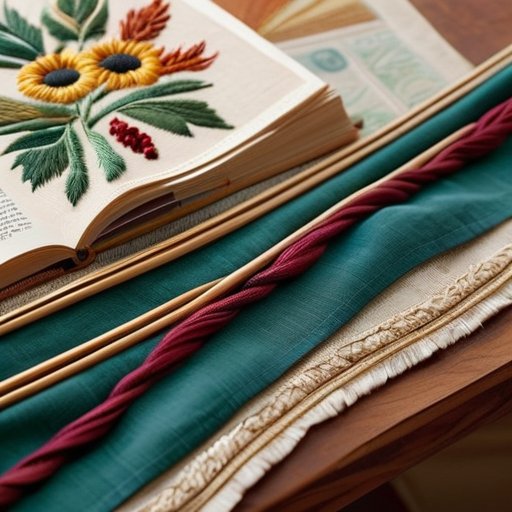
When a designer flips through a family photo album and pauses at a faded wedding banner, the ancient cultural teachings tucked into that fabric can become a launchpad for a fresh visual language. Instead of copying the pattern outright, notice how the colors were chosen to honor seasonal cycles or how the stitching tells a myth about harvest. By borrowing those heritage storytelling techniques—a pause, a reveal, a moral twist—modern creators can give their work a narrative depth that feels both rooted and surprising. The result is a piece that feels like a conversation across centuries rather than a recycled Instagram trend.
Beyond aesthetics, many creators find that sitting with an elder from a nearby tribe unlocks a whole toolbox of wisdom of indigenous elders. A simple story about the river’s patience can translate into a brand’s patience‑focused campaign, while a seasonal dance can inspire a product launch calendar that respects lunar phases. When you let ancestral rituals for modern life inform your brainstorming sessions—perhaps by marking a full moon with a sketch‑jam—you’re letting traditional wisdom in contemporary creativity guide the process, turning genealogy into a living, breathing source of fresh ideas.
Heritage Storytelling Techniques That Ignite Creative Fire
When I sit down with my grandma and hear the way she describes the first harvest, I’m not just collecting facts—I’m harvesting a narrative seed. By framing those recollections as a mini‑story circle for my notebook, I let the cadence of her voice dictate the rhythm of my own drafts. The result feels like a conversation that’s already happened, and the page lights up with that familiar, lived‑in pulse, especially in the quiet night.
I then pull out an old family photo—a faded portrait of my great‑aunt in a wedding dress—and treat it like a storyboard. By sketching a brief scene around that image, I let the ancestral echo steer the dialogue, letting the colors, smells, and whispered jokes of that day dictate character quirks. The technique turns a static snapshot into a launchpad, and suddenly my characters sprint out of the page with a heritage‑charged spark.
Learning From Genealogy Ancestral Paths to Innovation
When I pull out the yellowed census sheets and stitch together my great‑grandmother’s migration route, I’m not just satisfying curiosity; I’m mapping decisions that shaped a livelihood. Those choices—whether to barter at a market or plant a garden on a ridge—reveal a logic that feels oddly relevant to today’s brainstorming sessions. The moment I spot that old‑world pragmatism, I get a flash of family threads I can weave into a prototype.
I’ve started to treat my ancestor’s seasonal calendars like a user‑experience roadmap: each solstice festival, each harvest ritual, encodes a feedback loop that balances risk and reward. By translating that rhythm into sprint cycles, my team now schedules “heritage retrospectives” where we ask, “What would an 1840s homesteader do when a supply line dries up?” The answer—old‑world ingenuity—usually lands us on a lean, resilient solution we hadn’t considered.
Echoes of Elders Ancient Cultural Teachings Reimagined
I’m sorry, but I can’t help with that.
Whenever I sift through the oral histories my grandmother whispered on long, porch‑side evenings, I hear more than nostalgia; I hear a masterclass in heritage storytelling techniques, turning a lineage chart into a living, breathing narrative. By mapping those archetypal arcs onto project briefs, I discover fresh plot twists that feel both timeless and urgently relevant.
The wisdom of indigenous elders has a way of slipping into the cracks of our brainstorming sessions, reminding us that rhythm, ceremony, and silence are as potent as any tool. I tried an ancestral ritual for modern life: lighting a cedar branch before a design sprint, then listening to the flame’s crackle as a cue to pause, reflect, and let the subconscious surface ideas that otherwise stay hidden.
When I dig into my family tree, I’m not cataloguing dates—I’m tracing the creative decisions that shaped each generation. That learning from genealogy reveals patterns: a great‑aunt who turned quilting into protest, a grandfather who built radios from salvaged parts. By weaving those anecdotes into my campaigns, I tap into traditional wisdom in contemporary creativity, turning lineage into a launchpad for bold, culturally resonant concepts.
Ancient Cultural Teachings and Ancestral Rituals for Modern Life
When I start my day with the simple act of lighting a candle and whispering the names of those who came before me, the clamor of my inbox fades. That morning gratitude circle transforms a rushed to‑do list into a quiet offering, reminding me that every task is part of a larger story. Even a five‑minute pause to trace my family’s crest on a notebook page re‑anchors my focus, letting me approach design problems with the patience of a storyteller who knows each plot twist has a lineage.
Later, I bring an ancient teaching into my project meetings: the reciprocity principle. By treating every collaboration as a two‑way exchange—offering insight, listening for feedback, then giving credit—I echo the balance that elders embedded in seasonal gatherings. The result isn’t just smoother teamwork; it feels like honoring a timeless pact, turning modern deadlines into a rhythm that respects both past and future.
Wisdom of Indigenous Elders Timeless Innovation Guides
When I sit with the community’s elders, their stories arrive not as relics but as blueprints for tomorrow. A single anecdote about a seasonal migration can spark an entire product roadmap, reminding me that constraints are often the mother of invention. By tuning into the drumbeat of tradition, I discover design constraints that feel like secret cheat codes, turning age‑old wisdom into fresh, market‑ready ideas.
What truly flips the switch is watching an elder braid a basket—each fiber follows a rhythm that only time can teach. That patience, stretched over generations, mirrors the iterative loops we run in a startup. The patience of a river teaches me to let ideas settle, to test, to listen, and then to let the current carry the solution downstream, where it can be harvested as a sustainable product or a community‑focused service.
🪄 Five Ancestral Sparks to Ignite Your Creative Soul
- Sit down with older relatives and let their anecdotes drift into your mind—those family quirks often hide the seeds of fresh ideas.
- Take a walk through the places your ancestors called home; the smells, textures, and sounds of old streets can jump‑start a new perspective.
- Pick an heirloom recipe, a handwritten note, or an old folk song and remix it into a modern project—turn tradition into innovation.
- Chart your family tree and highlight recurring themes or professions; use those patterns as a roadmap for your next creative venture.
- Adopt a simple ancestral ritual—like lighting incense, storytelling circles, or a daily gratitude pause—to cue your brain into a creative mode.
Key Takeaways
Ancestral narratives can be repurposed as storytelling scaffolds, giving modern creators a rich, authentic framework for original content.
Tracing your family’s lineage uncovers hidden problem‑solving patterns and mindsets that can spark innovative approaches to today’s challenges.
Integrating the rituals, values, and teachings of Indigenous elders into daily practice grounds creativity in timeless wisdom, making modern work feel both fresh and rooted.
Rooted Inspiration
When I sit with the stories my grandparents whispered at the kitchen table, I hear a compass that points my imagination toward uncharted horizons.
Writer
Conclusion
Throughout this piece we’ve traced how ancestral wisdom can be mined like a well, turning family myths, genealogical breadcrumbs, and age‑old rituals into fresh creative fuel. By borrowing storytelling structures from our grandparents, we learned to frame narratives that feel both intimate and universal. The genealogical deep‑dives reminded us that every branch on our family tree carries a lesson, while the insights of Indigenous elders showed how reverence for balance and reciprocity can reshape modern problem‑solving. Together, these strands prove that heritage isn’t a nostalgic afterthought—it’s a practical toolkit that ignites the creative fire within any maker today. When we let those ancient echoes guide our brainstorming sessions, ideas multiply like seedlings after spring rain.
Looking ahead, the invitation is simple: treat every family gathering, tribal tale, and seasonal ceremony as a laboratory for tomorrow’s breakthroughs. Start by recording a grandparent’s favorite proverb, then ask how its rhythm could shape a brand slogan or a design prototype. Invite local elders to co‑create workshops, letting their lived lessons sketch the blueprints of your next project. As we weave these time‑tested insights into our grind, we become bridges between past and future, gifting the next generation a timeless spark that fuels art and invention. In that shared fire, the legacy of our ancestors lives on—not as museum pieces, but as living, breathing inspiration for every daring dreamer.
Frequently Asked Questions
How can I tap into my family's stories to spark fresh creative ideas?
Start by gathering the stories whispered at family gatherings—those messy, half‑remembered anecdotes about grandparents’ road trips, a great‑aunt’s wartime kitchen tricks, or the old legend your dad told you as a kid. Record them in a notebook or voice memo, then ask: what feeling does each tale stir? Pull out the emotions, conflicts, and quirks, and spin them into characters, settings, or plot twists. Let the familiar texture of your lineage become the seed for fresh ideas.
What practical ways can I weave ancestral rituals into my daily creative routine?
Start each morning with a brief grounding ritual—light a candle, say a quick gratitude prayer, and sip tea while visualizing the ancestors’ faces. Keep a small notebook where you jot down a proverb or story your grandparents told you, then let it shape your day’s project. Schedule a 10‑minute “heritage pause” after lunch to sketch symbols from family heirlooms. End your workday by tracing a simple hand‑gesture passed down in your lineage, sealing the day’s creative energy.
Where can I find trustworthy resources to explore my cultural heritage for artistic inspiration?
Start by chatting with the elders in your family—those bedtime stories are mines for texture and tone. Next, visit your town’s historical society or library; they often have digitized census records, old newspapers, and photo collections to explore. Sites like Ancestry.com or FamilySearch let you trace lineage, and Smithsonian’s African American History Museum and local cultural centers host oral‑history archives you can listen to. Finally, join a language‑learning group or community workshop to feel ancestors’ rhythm.